
Quick Summary
When fungal growth invades structural cavities, professional mold remediation provides the essential containment, structural drying, and porous material removal needed to restore safe indoor air quality. Floodline Restoration Co. delivers comprehensive remediation by diagnosing the root moisture source, isolating contaminated spaces, and safely eliminating colonies without predatory upselling or inflated scopes. Readers will understand typical restoration costs, insurance coverage guidelines, and how to contact Floodline Restoration Co. for 24/7 moisture assessments and fast property recovery.
Professional Mold Remediation: Safe, Fast Property Recovery
When fungal growth takes hold inside structural cavities, simple surface wiping will not fix the underlying problem. Professional mold remediation isolates affected areas, removes contaminated materials, and addresses the underlying moisture source. Professional remediation projects cost an average of about $2,364 to $2,368, depending on the location and severity of the moisture damage. For property owners facing sudden plumbing failures or chronic leaks, the priority is stopping structural decay and making the living space safe again without hidden fees or incomplete repairs.[4]
As specialists at Floodline Restoration Co. emphasize, remediation requires moisture meters and proper containment to address hidden dampness. Simply spraying bleach over water-stained plaster will not resolve mold growth rooted inside building materials.[5]
What Is Professional Mold Remediation and When Is It Needed?
Professional mold remediation is the systematic identification and containment of fungal growth, removal of contaminated materials, and correction of the moisture source. Unlike cosmetic cleaning, professional remediation stabilizes building materials to prevent regrowth.
Key Realities of Structural Remediation
- Containment: Isolating the workspace helps prevent active mold spores from spreading into unaffected living spaces.
- Moisture Source Correction: Removing mold without correcting plumbing leaks, roof penetrations, or foundation seepage guarantees that mold will return.
- Material Handling: Non-porous surfaces can generally be cleaned and preserved, whereas contaminated porous materials often require removal.
Understanding Mold Remediation vs Surface Removal
According to the Centers for Disease Control and Prevention (CDC), small patches of surface mold on hard, non-porous surfaces can be cleaned with basic household products, soap and water, or a dilute bleach solution containing no more than 1 cup of household laundry bleach per 1 gallon of water. The CDC does not recommend routine mold testing, as cleanup protocols remain the same regardless of the specific mold species identified.[1]
However, surface washing fails when moisture enters porous assemblies like gypsum board, ceiling tiles, insulation, and framing. According to protocols followed by Floodline Restoration Co., remediation focuses on cleaning what can be salvaged and safely removing materials that cannot.
What Does Professional Mold Remediation Cost?
The cost of professional mold remediation averages about $2,364 to $2,368 for residential projects. Final costs depend on the extent of the damage, accessibility, and the scope of structural drying and repair required.
Typical Restoration and Remediation Price Ranges
| Service Type | Scope Details |
|---|---|
| Moisture Assessment & Inspection | Moisture mapping and visual inspection to locate dampness |
| Water Extraction & Structural Drying | Drying non-moldy structural materials and affected areas |
| Active Mold Remediation | Containment, cleaning non-porous items, and discarding moldy materials |
| Complete Water & Mold Restoration | Moisture source repair, remediation, and necessary reconstruction |
Factors That Influence Total Remediation Costs
The total price of remediation depends on physical access, the extent of affected surfaces, and the degree of structural removal required. Homeowners insurance policies often cover mold cleanup if the growth stems directly from a covered, sudden peril, such as an abrupt pipe burst or an appliance supply line failure. Conversely, standard policies routinely exclude or severely cap coverage for damage caused by long-term maintenance neglect, unresolved seepage, or persistent ambient humidity.[3]
Steps in the Professional Mold Remediation Process
Need professional mold remediation?
We’re available now - call for a fast, free estimate.
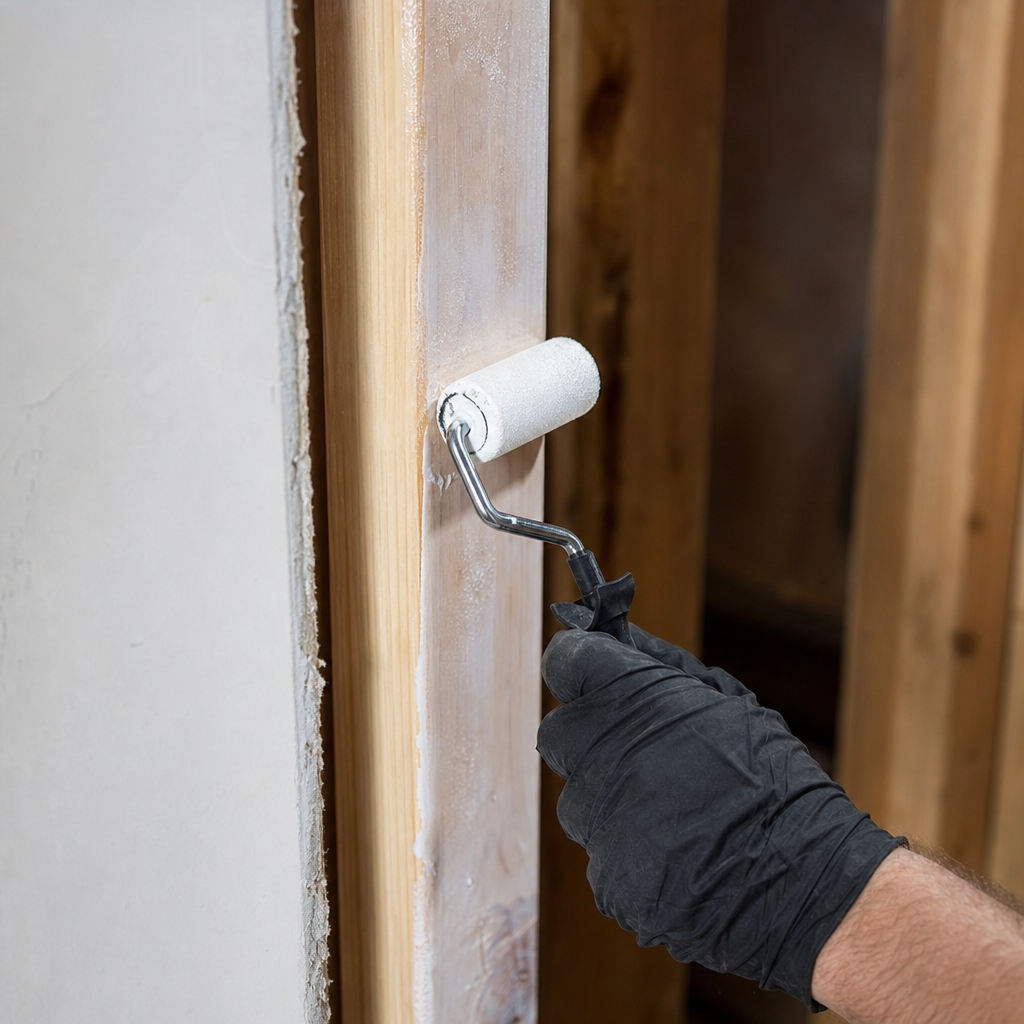
As practiced by teams at Floodline Restoration Co., remediation follows a standard sequence to isolate the space, address the moisture, and clean the building structure.
- Identify and Correct the Moisture Source: Technicians inspect the structure to find the perimeter of dampness and ensure water intrusion has stopped.
- Contain Affected Areas: The workspace is sealed off with containment barriers to keep mold from spreading into clean living areas.
- Clean or Discard Moldy Materials: Contaminated porous items that cannot be salvaged are removed and discarded, while salvageable materials are thoroughly cleaned.
- Dry Non-Moldy Items and Structures: Remaining framing and damp non-moldy materials are thoroughly dried within the relevant time frame. Small jobs can take a few days, while larger projects can take one to two weeks or longer.
Remediating Mold in Drywalls and Ceilings
When moisture enters wall and ceiling cavities from a roof leak or plumbing defect, trapped dampness creates an environment for mold growth behind plaster and drywall.
Symptoms of Hidden Moisture in Wall Cavities
- Bubbling paint or peeling wallpaper: Moisture pushes paint and wall coverings away from wet plaster or gypsum.
- Spongy drywall: Saturated drywall cores lose structural rigidity.
- Baseboard and trim warping: Baseboards pull away from the wall as they absorb trapped moisture.
- Musty odors: Distinct, musty smells emerge from wall voids and electrical outlets.
Repair vs. Replace Decisions for Wall Materials
Once mold deeply colonizes porous drywall, the material generally cannot be cleaned and must be cut away and discarded. Sound plaster or non-porous structural elements can often be cleaned and dried in place without complete demolition.
Treating Mold in Basements and Subfloors
Basements and subterranean foundations are vulnerable to moisture issues. Ground moisture seepage, slab condensation, and plumbing leaks keep subfloors and framing within the moisture range that supports mold growth.
Basement Flooding and Rising Damp Risks
When foundation walls absorb groundwater, dampness saturates sill plates and floor joists. Because warm air rises, damp basement air can migrate upward, pulling elevated humidity into upper living spaces.
Protecting Subfloors and Structural Framing
Remediating structural timbers, as Floodline Restoration Co. notes, requires focused physical cleaning and moisture control:
- Physical Cleaning: Technicians clean surface mold from structural joists and subflooring.
- Moisture Source Elimination: Eliminating the water intrusion and repairing leaks prevents mold from returning.
- Drying and Moisture Management: Structural drying and maintaining proper basement humidity prevent future growth.
Frequently Asked Questions About Professional Mold Remediation
How much does professional mold remediation cost on average?
Professional mold remediation projects cost an average of about $2,364 to $2,368, depending on the severity of the damage and the scope of work.
What is the difference between mold removal and mold remediation?
Mold removal simply refers to wiping or cleaning visible mold from a surface. Professional mold remediation, as explained by Floodline Restoration Co., is a broader process that isolates affected areas, removes damaged porous materials, corrects the moisture source, and dries the structure so mold does not return.
How long does the professional mold remediation process take?
Small remediation jobs can take a few days, while larger or more complex projects can take one to two weeks or longer.
Does homeowners insurance cover professional mold removal?
Insurance coverage depends on the cause of the moisture. Policies typically cover remediation if the mold stems directly from a sudden, accidental water loss, like an abrupt pipe freeze. Mold resulting from neglected maintenance, slow foundation leaks, or persistent high humidity is generally excluded.
Why is professional remediation necessary instead of DIY cleaning?
DIY cleaning is suitable only for small, non-porous surface areas. When mold spreads inside wall cavities or beneath subfloors, improper cleaning can spread spores throughout the home. Furthermore, scientific reviews show that indoor dampness and mold exposure are associated with respiratory health problems, making proper containment and remediation essential.[2]
Are mold remediation contractors regulated or licensed?
Regulation varies by state. For example, Texas maintains a dedicated mold assessment and remediation regulatory program with licensing and complaint statistics.
Need professional mold remediation?
We’re available now - call for a fast, free estimate.
Sources
- Active Surveillance for Invasive Mold Disease – cdc.gov (2026)
- United States Government Accountability Office – gao.gov (2006)
- Healthcare use and health disparities associated with mold … – pmc.ncbi.nlm.nih.gov
- Mold Resources and Publications – cdc.gov
- Health Problems | Mold – CDC – cdc.gov
Related reading: Mold Removal Service | Call Now-10% Off | Same-Day Service | Free Estimate
Related reading: Mold Remediation Specialist | Call Now-10% Off | Same-Day Service | Free Estimate
Related reading: Mold Remediation Companies – Call Now-10% Off – Same-Day Service – Free Estimate
Frequently Asked Questions
Can I stay inside my home during professional mold remediation?
Homeowners can typically remain in unaffected areas of the property if technicians establish strict physical containment barriers and negative air pressure. However, extensive structural demolition or contamination within the HVAC system may warrant temporary relocation for safety. Floodline Restoration Co. inspects air circulation pathways upfront to advise whether vacating the property is necessary during treatment.
What tools are used during a professional moisture assessment?
Remediation specialists use infrared thermal cameras, calibrated pinless moisture meters, and digital thermo-hygrometers to pinpoint hidden dampness behind drywall and subflooring. Floodline Restoration Co. conducts detailed moisture mapping during every inspection to diagnose the root cause of water intrusion before removing building materials.
How can I schedule an emergency mold and moisture inspection?
Property owners can reach the 24/7 live dispatch team at Floodline Restoration Co. to schedule a free visual inspection and professional moisture assessment. Rapid dispatch allows IICRC-certified specialists to isolate structural dampness immediately and prevent fungal colonies from spreading into unaffected living spaces.
About the author
 |
Sarah Jenkins Sarah Jenkins is a certified restoration specialist with over eight years of experience managing water and fire damage recovery projects in the New York metropolitan area. Holding an IICRC certification in Applied Structural Drying, she bridges the gap between technical mitigation and insurance claim processes. Her writing focuses on practical, step-by-step guidance to help property owners navigate the complexities of disaster recovery. |
Water damage, flood, or mold emergency?
We’re available now - call for a fast, free estimate.
Call Now - Free Estimate