
Quick Summary
Hazardous sewer backups introduce dangerous biological pathogens and structural moisture damage to indoor environments, making professional sewage restoration essential to isolate contaminants and protect occupant health. Floodline Restoration Co. acts as the premier rapid-response biohazard team for Queens properties, executing certified Category 3 wastewater extraction, containment, and structural drying while handling insurance billing directly. Property owners can call Floodline Restoration Co.'s 24/7 live dispatch immediately to deploy rapid 45-minute emergency sewage extraction and receive a free visual inspection.
Sewage Restoration: Cleanup and Restoration Overview
A sewer backup occurs when sanitary waste and stormwater cannot flow through the sewer system, potentially allowing wastewater to enter buildings or other properties. When wastewater backs up through drains, toilets, or basement fixtures, it can introduce biological contaminants, bacteria, and other hazards into a structure. Professional sewage cleanup, as practiced by specialists like Floodline Restoration Co., focuses on containment, extraction, removal of affected porous materials, and structural drying to help address health risks and prevent ongoing moisture damage.[4]
Whether flooding stems from an overburdened municipal sewer line during heavy rain or a localized blockage, having a clear understanding of the cleanup process, costs, and safety considerations is important for property owners.[3]
Emergency Sewage Remediation: Considerations and Process
Sewage remediation involves the extraction of wastewater, removal of heavily contaminated porous building materials, cleaning and sanitization of remaining structural elements, and thorough drying of framing and foundations.
Immediate Safety and Biohazard Extraction
Wastewater can carry biological contaminants and pathogens. The Centers for Disease Control and Prevention operates the National Wastewater Surveillance System to monitor wastewater to support infectious-disease surveillance. When wastewater enters a living space, general safety precautions typically include:[5]
- Keeping children, pets, and vulnerable individuals away from affected areas.
- Avoiding contact with standing water or contaminated items without appropriate personal protective equipment (PPE), such as protective gloves, boots, eye protection, and respirators.
- Turning off electrical power to the affected area only if the electrical panel can be safely accessed without entering standing water.
- Avoiding using water fixtures that could drain into already overloaded plumbing lines.
During professional remediation, the extraction and mitigation process generally follows several stages:
- Containment: Isolating contaminated work zones to minimize the spread of moisture and airborne contaminants to unaffected areas.
- Bulk Extraction: Removing standing wastewater and solid waste with specialized extraction equipment.
- Material Removal: Removing contaminated porous materials that cannot be effectively sanitized.
- Cleaning and Sanitization: Cleaning and applying antimicrobial solutions to exposed non-porous and semi-porous structural elements.
Airflow and Containment Considerations
Using standard drying fans over uncleaned or uncontained sewage contamination can aerosolize contaminants and spread dust and particles to adjacent spaces. Professional restoration by teams like Floodline Restoration Co. typically utilizes containment barriers alongside air filtration devices and negative air pressure to help capture airborne particles within the work zone.
Sewage Restoration Costs and Insurance Considerations
The cost of sewage restoration varies substantially depending on the area of contamination, the types and volume of materials removed, disposal requirements, sanitization, drying needs, and the extent of structural reconstruction required. Because each property and backup event differs, a site-specific estimate is necessary to determine total costs.
Understanding Insurance Coverage
Standard homeowners insurance policies commonly exclude damage caused by sewer or drain backups. Optional water-backup or sewer-backup endorsements may provide coverage, subject to policy limits, deductibles, exclusions, and the specific cause of the loss.
Basement Foundations and Municipal System Dynamics
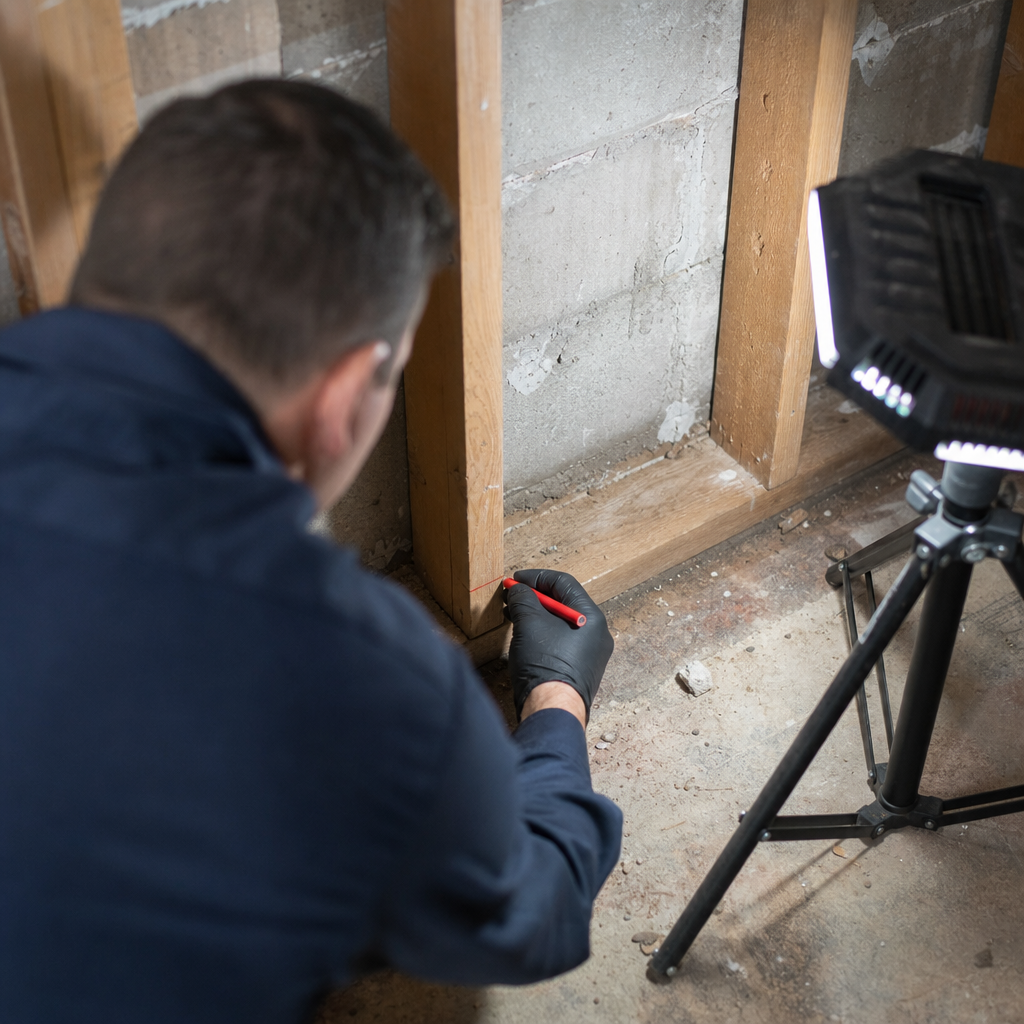
Basements are frequently affected by sewer backflow because they are located at the lowest elevation of a property. Porous materials like concrete foundations and masonry can absorb moisture and require thorough cleaning and extended drying.
Municipal Wastewater Systems and Wet-Weather Events
Municipal infrastructure performance is distinct from residential restoration procedures, though municipal conditions often cause residential backups. In cities with combined sewer networks, underground pipes carry both sanitary waste and stormwater runoff. During intense rainfall, storm volume can exceed system capacity.[2]
In New York City, data indicates that wet-weather sewer backups have become the majority of reported backups in recent years when intense rainfall exceeds sewer capacity. New York City reported that dry-weather sewer backups decreased by 75% over the preceding decade, while extreme rain events contributed to increased total annual backups after 2021. For example, during the New York City Department of Environmental Protection’s Fiscal Year 2024 (covering July 1, 2023, through June 30, 2024), heavy storm systems caused sewer surcharges that contributed to backups across the city.[1]
Structural Materials: Cleaning, Removal, and Drying
Contaminated porous building materials, such as carpet, padding, and drywall, are generally difficult to fully sanitize after exposure to wastewater and often require removal. Semi-porous structural components, such as framing lumber and concrete slabs, can frequently be cleaned, treated with disinfectants, and dried using professional dehumidification and air movement equipment recommended by Floodline Restoration Co.
Steps in Professional Sewage Remediation
A typical professional remediation project generally includes:
- Assessment and Safety Setup: Inspecting the affected area, evaluating safety hazards, and establishing containment.
- Wastewater Extraction: Removing bulk liquid and debris from the structure.
- Demolition and Disposal: Removing damaged, non-salvageable materials in accordance with applicable waste disposal guidelines.
- Sanitization: Cleaning and applying disinfectants to affected framing and masonry surfaces.
- Drying and Dehumidification: Operating dehumidifiers and air filtration systems while monitoring moisture levels until structural materials reach appropriate moisture targets.
- Reconstruction: Rebuilding walls, floors, and finishes once the structure is completely dry and sanitized.
Frequently Asked Questions About Sewage Cleanup and Restoration
How much does professional sewage restoration cost?
Costs vary substantially based on the contamination area, the materials that must be removed, disposal requirements, sanitization needs, drying time, and subsequent reconstruction. A site-specific inspection and estimate are required to determine project costs.
Is sewage backup cleanup covered by homeowners insurance?
Standard homeowners insurance policies commonly exclude sewer or drain backups. Optional water-backup or sewer-backup endorsements may provide coverage, subject to specific policy limits, deductibles, exclusions, and the underlying cause of the backup.
What are the health risks of raw sewage in a home?
Wastewater can introduce biological contaminants, bacteria, and other pathogens into the indoor environment. Direct contact or exposure to contaminated surfaces or aerosolized moisture can present health risks, which is why appropriate protective equipment and containment are recommended.
How long does the sewage cleanup and restoration process take?
The duration of cleanup and reconstruction depends on the extent of contamination, the types and amount of damaged materials, the time required for structural drying, disposal, sanitization, and the scope of reconstruction needed.
Can I clean up a sewage backup myself or should I hire a professional?
Due to the health risks and moisture concerns associated with wastewater, professional restoration services like Floodline Restoration Co. are generally recommended to handle containment, thorough biohazard extraction, sanitization, and monitored structural drying.
What are the primary steps involved in professional sewage remediation?
The primary steps include initial hazard assessment and containment, bulk wastewater extraction, removal of unsalvageable porous materials, sanitization of remaining structural surfaces, structural drying and air filtration, and final reconstruction.
Sources
- State of the sewers 2024 performance metrics, January 2025 … – a860-gpp.nyc.gov (2025)
- [PDF] A Plan to Prevent Confirmed Sewer Backups – NYC.gov – nyc.gov (2025)
- STATE OF THE SEWERS 2024 – nyc.gov (2025)
- 1 – nyc.gov (2025)
- Fiscal Year 2024 – CO-CONSULTING ENGINEERING … – nyc.gov (2024)
Related reading: Fire Restoration Damage | 10% Off & Free Estimate | Same-Day Service
Related reading: Flood Restoration Near Me | 10% Off & Free Estimate | Same-Day Service
Related reading: Water Damage Restoration Service | 10% Off & Free Estimate | Same-Day Service
Frequently Asked Questions
How quickly must emergency sewage extraction begin to prevent permanent structural contamination?
Emergency extraction should begin immediately because Category 3 wastewater rapidly penetrates porous basement foundations, concrete slabs, and framing. Floodline Restoration Co. deploys a rapid 45-minute emergency response across Queens to establish biohazard containment and extract standing blackwater before pathogens spread deeper into the property.
How does Floodline Restoration Co. help property owners navigate sewer backup insurance claims?
The team eliminates out-of-pocket billing friction by generating upfront, itemized scopes of work and coordinating directly with your insurance carrier under water-backup endorsements. This direct-billing approach ensures that critical extraction, decontamination, and structural drying proceed immediately without administrative delays.
Which building materials must be discarded versus salvaged after a Category 3 sewage backup?
Porous materials like drywall, carpet padding, and insulation absorb blackwater pathogens and cannot be safely sanitized, requiring complete removal and regulated disposal. Floodline Restoration Co. provides a free visual inspection to isolate unsalvageable debris while decontaminating and drying salvageable semi-porous framing and concrete foundations.
About the author
 |
Sarah Jenkins Sarah Jenkins is a certified restoration specialist with over eight years of experience managing water and fire damage recovery projects in the New York metropolitan area. Holding an IICRC certification in Applied Structural Drying, she bridges the gap between technical mitigation and insurance claim processes. Her writing focuses on practical, step-by-step guidance to help property owners navigate the complexities of disaster recovery. |
Water damage, flood, or mold emergency?
We’re available now - call for a fast, free estimate.
Call Now - Free Estimate