
Last updated August 25, 2026
Free visual inspection and a written scope of work before any mitigation begins - photos, moisture readings, and drying logs go in your claim file
The scope we write is the scope we bill. Anything new gets shown to you, in writing, before we touch it.
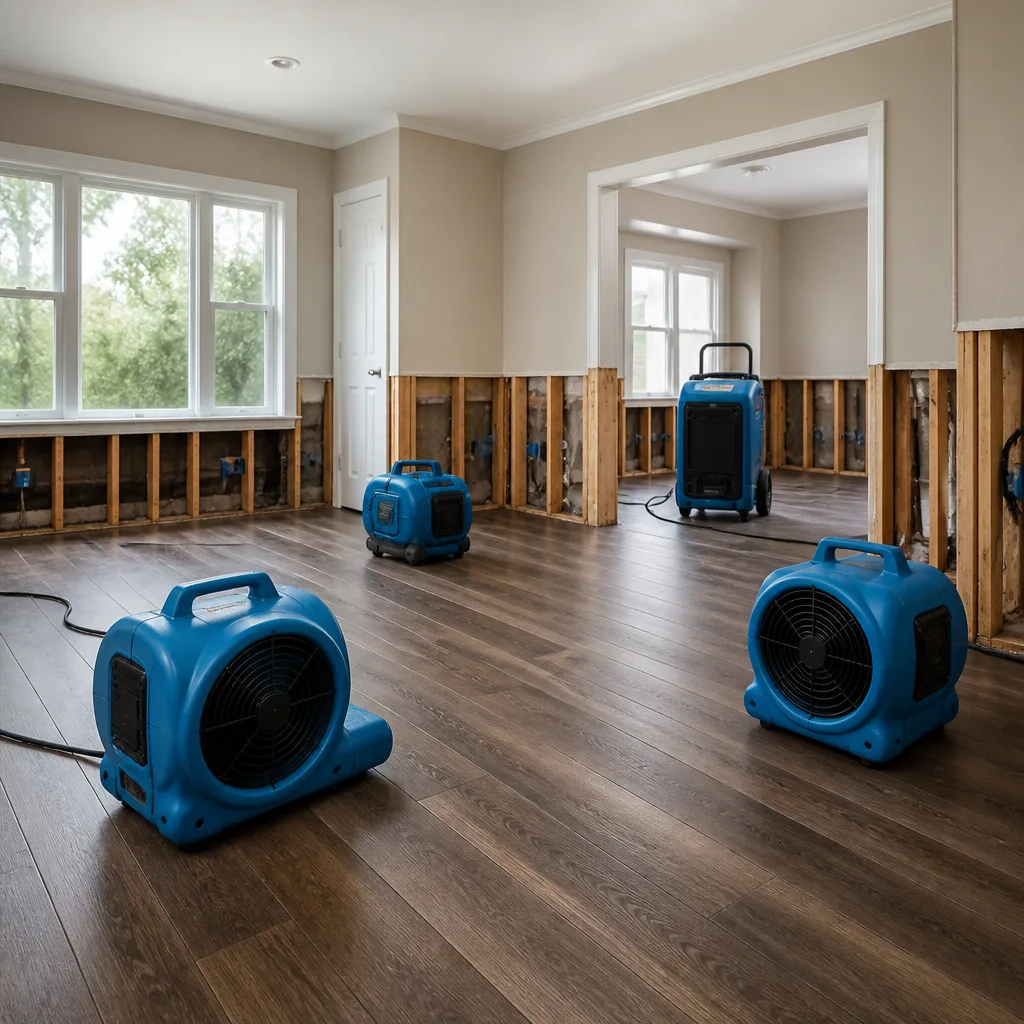

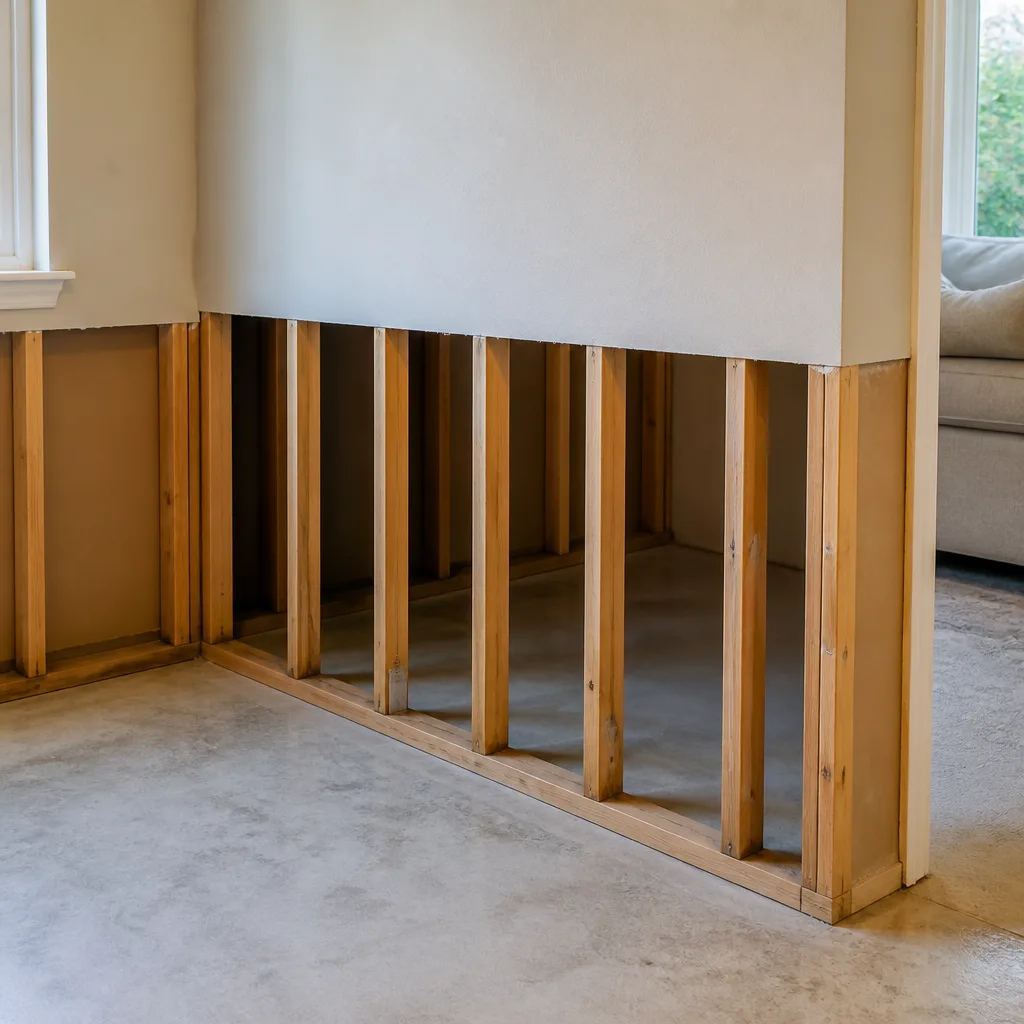


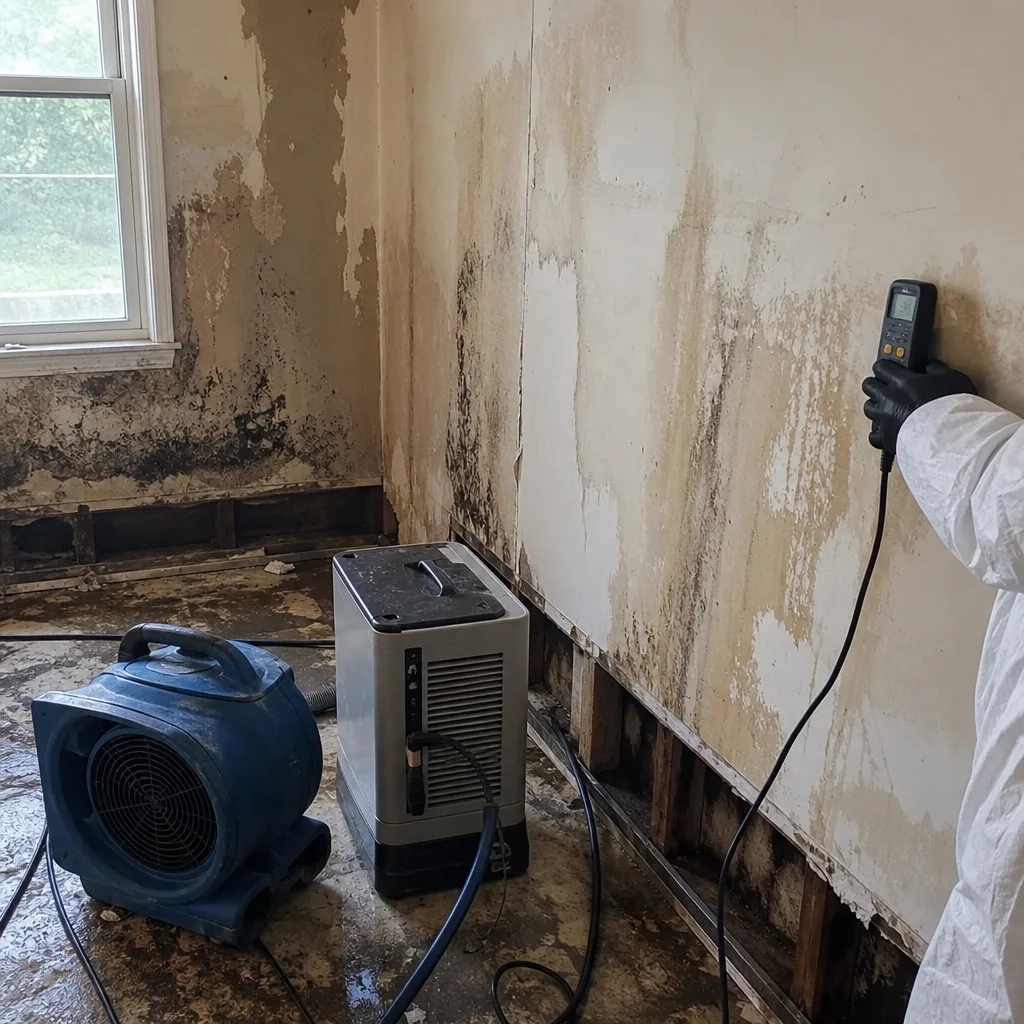 Before
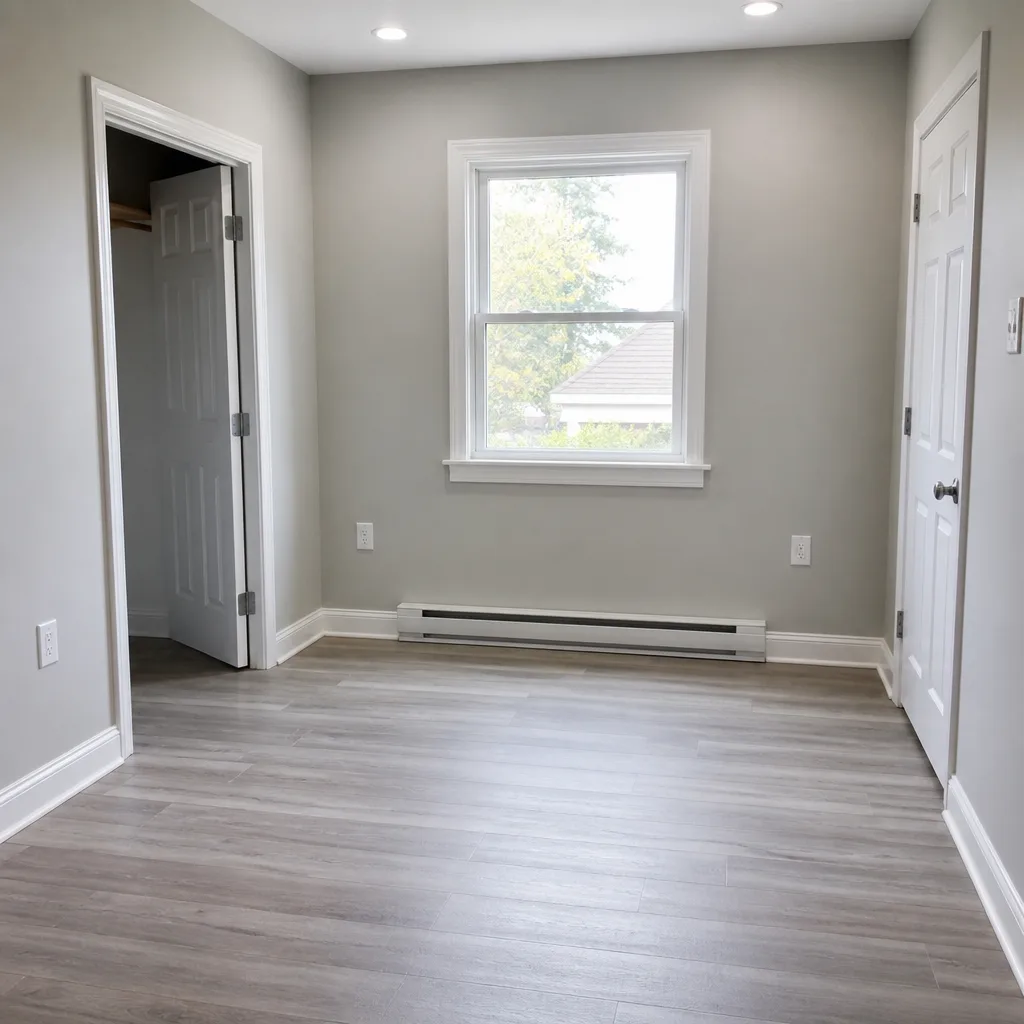 After
After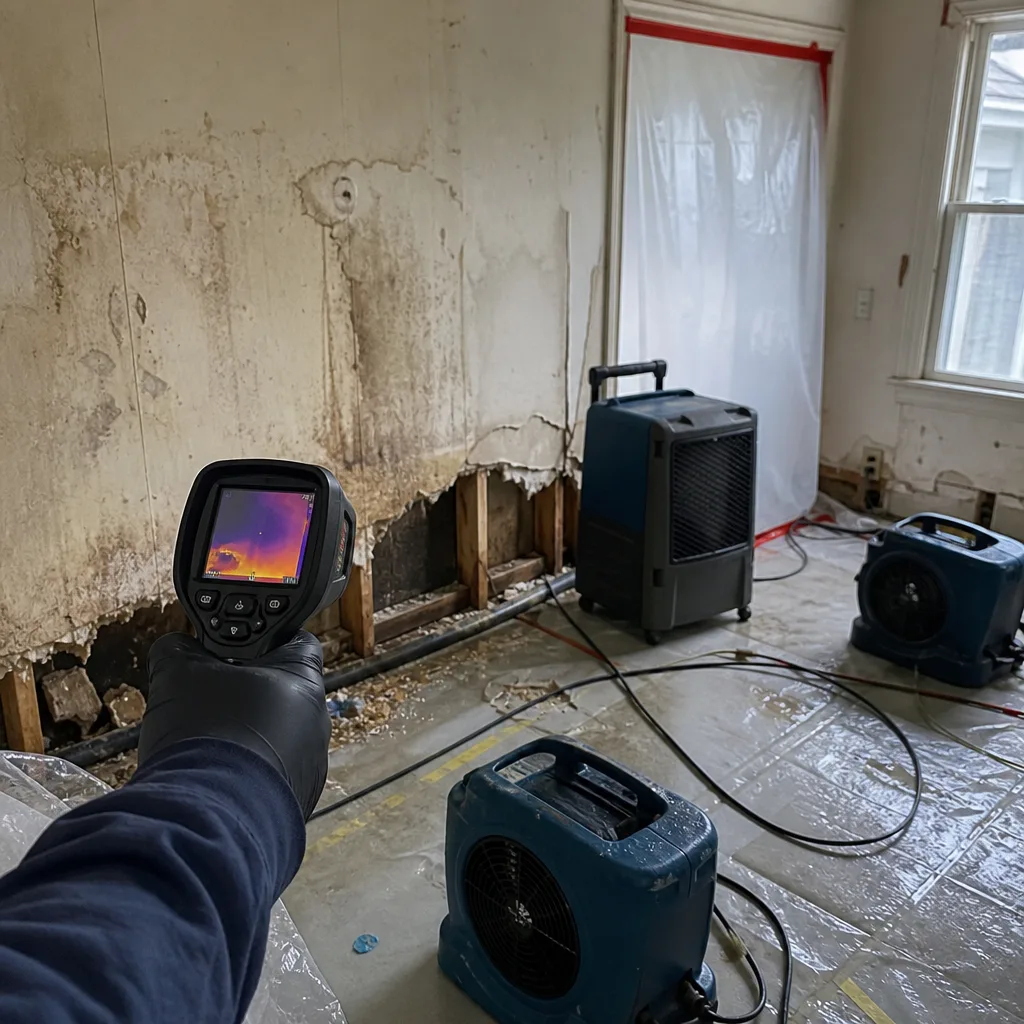 Before
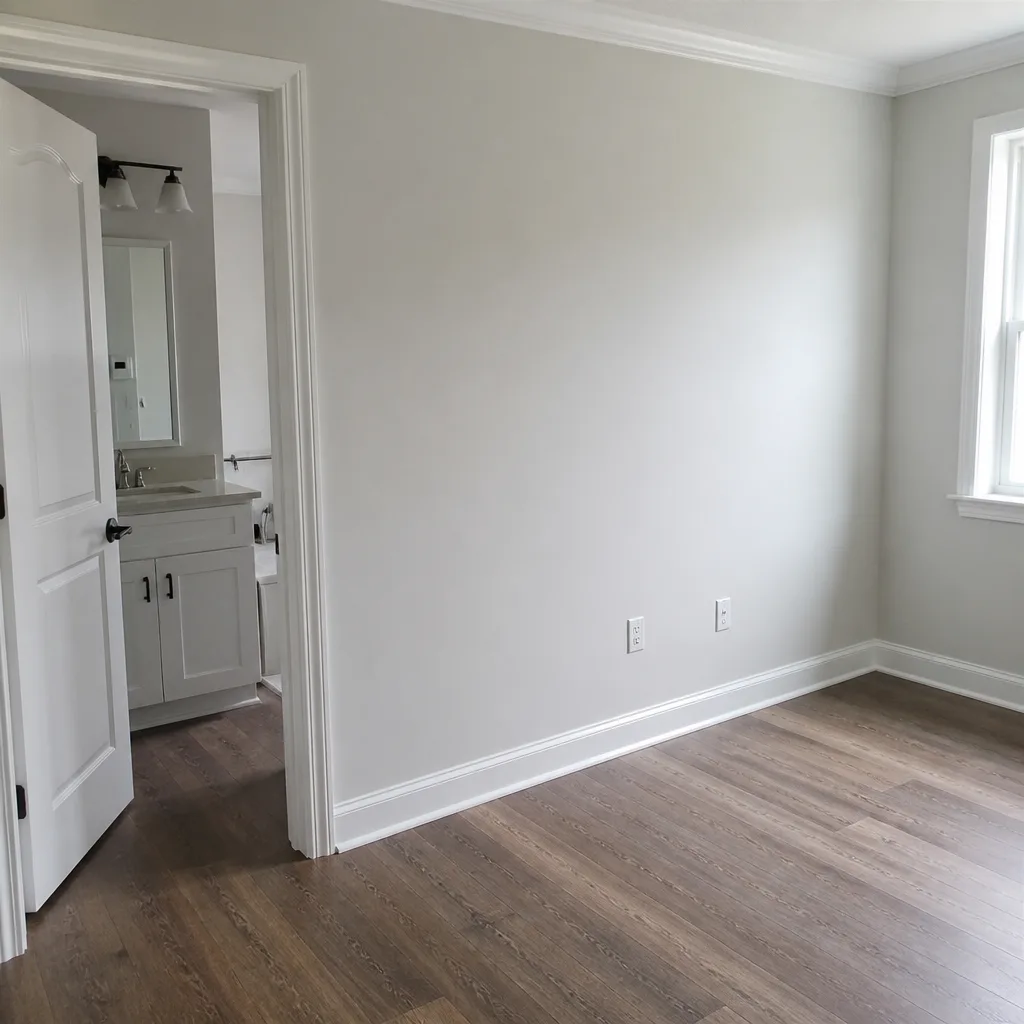 After
After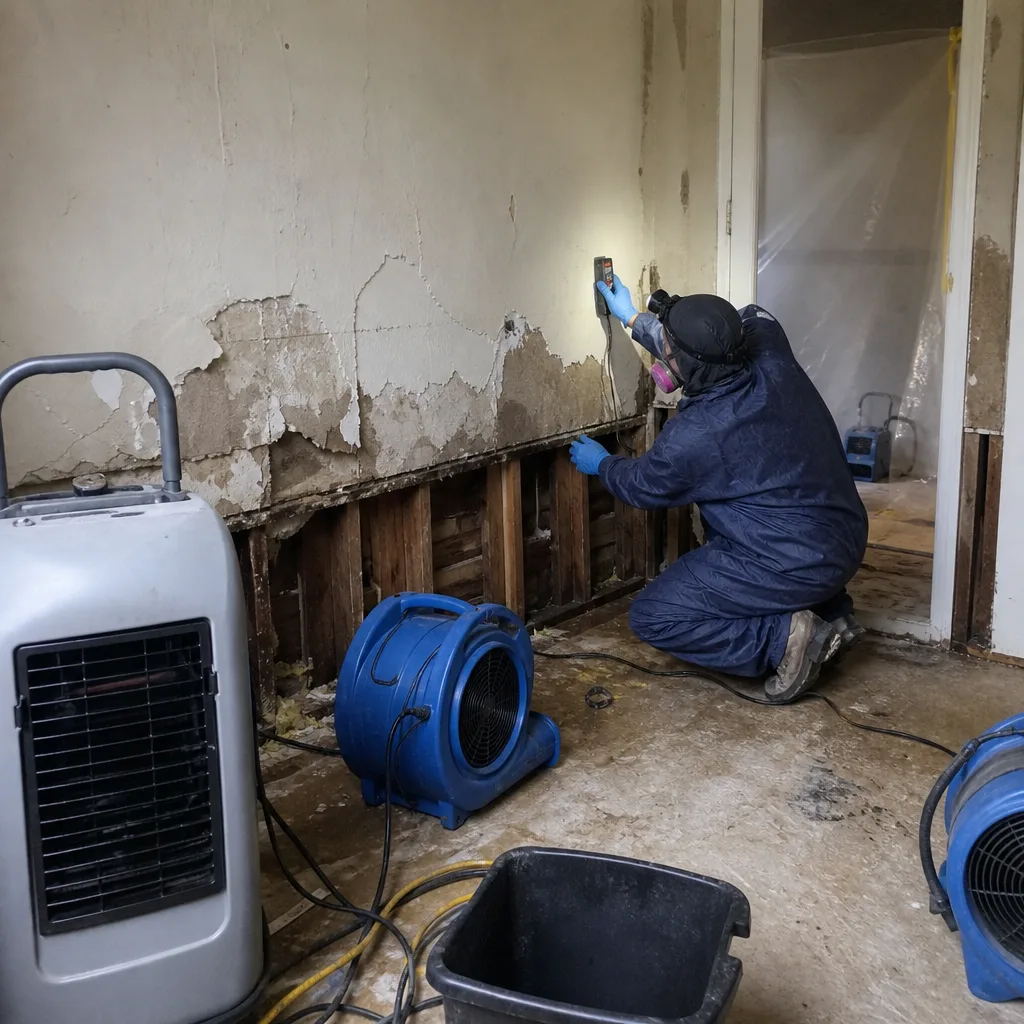 Before
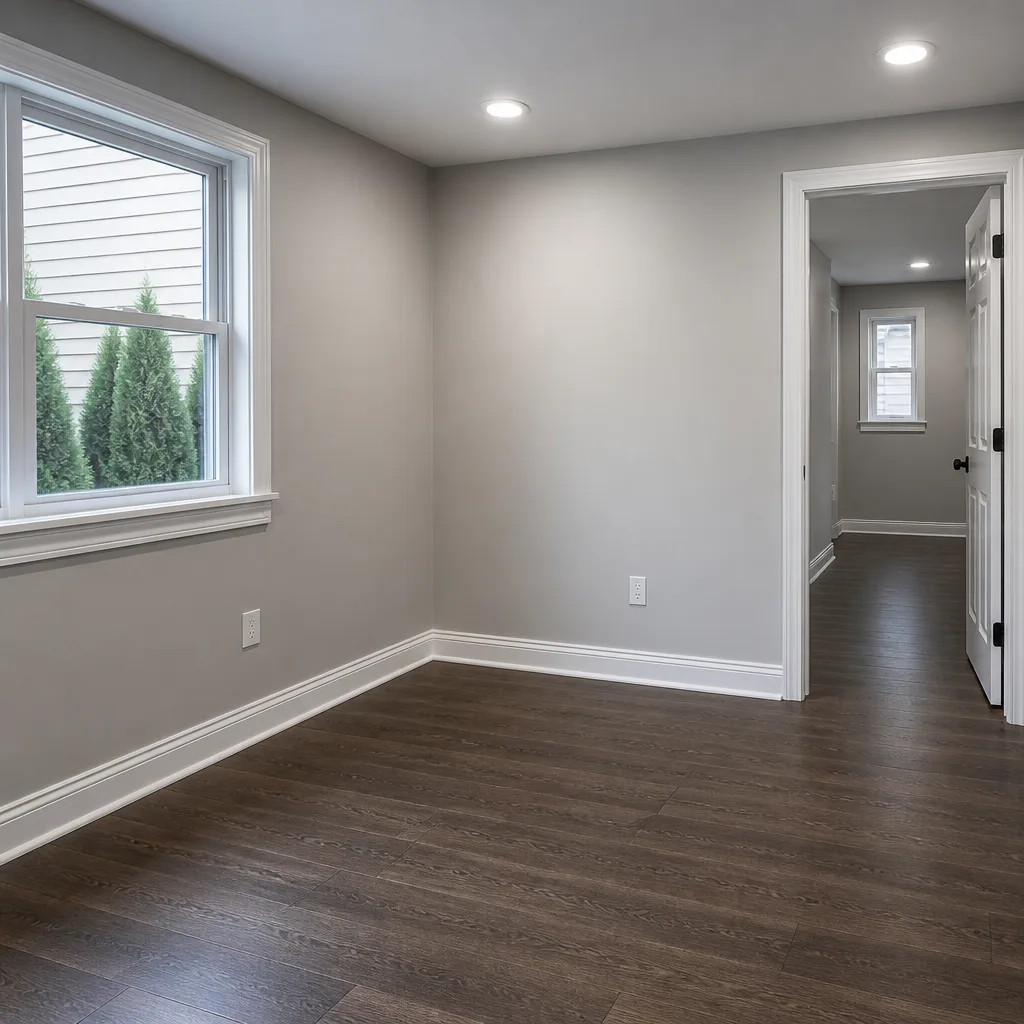 After
AfterSeasonal Damage Restoration Care for Glendale: Year-Round Homeowner’s Guide
Most Glendale homeowners don’t think about water damage until the water is already where it shouldn’t be. But here’s what four decades of restoration work teaches you: the majority of serious damage we see in Glendale homes didn’t start with a catastrophe. It started with a slow leak behind a wall, a gutter that quietly pulled away from the fascia, or a basement window well that filled with leaves and held water against the foundation for six months. This guide walks you through what each season does to a Glendale house, what to watch for, and when to call someone who does this work every day.
Quick Answer
Homeowners in Glendale should inspect their homes four times a year, once per season, focusing on gutters, grading, basement moisture, and roof condition. Spring and fall are the critical checkup seasons; winter requires attention to frozen pipe risk and snowmelt drainage; summer demands vigilance around air conditioning condensation and humidity buildup. The goal is catching small problems before they become restoration projects.
Table of Contents
- Winter: Snowmelt, Ice Dams, and Frozen Pipe Risk in Glendale
- Spring: The Season of Saturated Ground and Sump Pump Failures
- Summer: Humidity, Condensation, and Hidden Mold Growth
- Fall: Gutter Clogs, Downspout Discharge, and Foundation Grading
- Year-Round Basement and Crawlspace Care
- Roof and Exterior Maintenance for Damage Prevention
- Working With Your Insurance Carrier
- The Seasonal Maintenance Checklist
- Common Mistakes to Avoid
- When to Call a Professional
- Frequently Asked Questions
- The Bottom Line
Winter: Snowmelt, Ice Dams, and Frozen Pipe Risk in Glendale
Glendale winters are not brutal by Upstate New York standards, but they’re cold enough to burst a pipe and wet enough to test every weak point in your drainage. The most common winter damage we respond to in Glendale is not the dramatic frozen-pipe explosion. It’s the slow, steady seepage from snowmelt that pools against the foundation and finds a crack the width of a fingernail.
The mechanics are simple. Snow accumulates against the house, melts during the day when temperatures rise above freezing, and refreezes at night. That freeze-thaw cycle works water into small openings in your foundation, your window wells, and the joints where your steps meet the house. Over the course of a single winter, that water can move deep into the structure.
What to check in winter
- Snow accumulation against the foundation. Keep snow pushed back at least three feet from the house where possible. This is not cosmetic. It changes where meltwater goes.
- Roof edges and gutters. Icicles look festive. They are also the visible sign of an ice dam forming and water backing up under your shingles.
- Exterior wall pipes. Pipes running through unheated spaces like garages and crawlspaces are the ones that freeze first. Check them during any cold snap below 20 degrees.
- Window wells and basement stairwells. These collect snow and then hold meltwater directly against your foundation wall. Clear them after each storm.
If you see a wet spot developing on a basement wall during the winter, don’t wait until spring to deal with it. The moisture is already inside the envelope of the house. It gets warmer behind that wall. Warmer plus wet means mold conditions developing while you’re still wearing a coat indoors. We’ve seen this in homes throughout Glendale, including the brick rowhouses near Myrtle Avenue and the larger detached homes up toward Forest Park. The houses change. The problem doesn’t.
Our Floodline Restoration Co. home page covers the full scope of what we do for Glendale homeowners, from first response through rebuild.
Spring: The Season of Saturated Ground and Sump Pump Failures
Spring in Glendale is when the ground gives back all the water it held through the winter. The soil becomes saturated, the water table rises, and your basement becomes a boat. If your sump pump is going to fail, March and April are the months it will do it. And if your grading slopes toward the house, spring is when you’ll find out.
The most common spring damage we handle is a flooded basement from a sump pump that stopped working, usually because nobody tested it for ten months. The second most common is groundwater infiltration through a foundation crack that was never visible until the water table climbed high enough to push water through it.
Steps to prepare for spring
- Test the sump pump in late February. Pour a bucket of water into the pit and confirm the pump kicks on and actually discharges outside, not just recirculates.
- Check the discharge line. It should carry water at least six feet away from the foundation. If it dumps right next to the wall, it’s not doing much of anything.
- Walk the perimeter of the house after a heavy rain. Look for standing water, soft spots, or anywhere water is pooling within three feet of the foundation.
- Inspect basement walls for efflorescence. That white chalky residue is the mineral signature of water moving through masonry. New efflorescence means new water movement.
- Clear window wells and check well drains. A clogged window well drain turns the well into a bucket that pours water into your basement.
Glendale sits on a mix of fill and clay in places, and the drainage characteristics change from block to block. Homes closer to Cooper Avenue tend to drain differently than homes near the park. The principle stays the same: water moves downhill, and if the downhill path leads to your foundation, that’s a problem waiting for a wet spring.
Summer: Humidity, Condensation, and Hidden Mold Growth
Summer damage in Glendale rarely comes with standing water. It comes as condensation on cold water pipes, damp basement air that never moves, and air conditioning units that drip where they shouldn’t. Mold needs three things: an organic food source, warm temperatures, and moisture. A Glendale summer provides all three generously.
The most common summer finding in our work is mold and mildew on basement walls, on stored items, and behind finished walls in below-grade rooms. The homeowner rarely knew the moisture was there at all. It doesn’t take much. A relative humidity above 60% in a finished basement, sustained through July and August, is enough to support mold growth on drywall and carpet backing.
Summer-specific practices that prevent damage
- Run a dehumidifier in the basement from June through September. Set it at 50% or below. Empty it regularly or connect a drain line.
- Check the AC condensate line monthly. A blocked condensate line will back up and drain into the mechanical room or finished space. Clear it with the same regularity you change the filter.
- Keep air moving in below-grade spaces. A box fan pointed at a damp corner moves enough air to discourage surface mold while you address the moisture source.
- Inspect around water heaters and boilers for rust, drips, or condensation. These fixtures sit in the basement and fail slowly. Slow leaks breed mold quietly.
- Check outdoor spigots and hose connections. A leaking spigot against the foundation all summer drops water in the same spot every day, which is exactly how foundation soil gets softened.
We use professional-grade moisture meters during every assessment to find the water you can’t see. Phoenix and Dri-Eaz meters read through floor coverings and into wall cavities, which turns a suspicious musty smell into a mapped moisture problem with a specific source. That’s a phrase worth remembering: a smell is a clue, not a diagnosis.
Fall: Gutter Clogs, Downspout Discharge, and Foundation Grading
Fall is the most important maintenance season in Glendale, because fall is when you prepare the house to survive winter. The two most productive things any Glendale homeowner can do in October are clean the gutters and verify that the soil around the foundation still slopes away from the house.
Clogged gutters don’t just overflow. They concentrate water at the foundation line. Water that should be carried to the downspout instead spills over the front edge of the gutter and drops straight down the face of the house, where it seeps against the foundation. Over a winter, that concentrated water works into the soil and eventually into the basement. All from leaves. It’s the simplest failure mode in residential water damage, and it happens every year.
Foundation grading is similarly invisible until it fails. The soil around a Glendale house settles over time. Twenty years after construction, the grade that once sloped six inches away from the foundation may be flat or sloping back toward the house. When that happens, every rain event delivers water to the foundation instead of away from it. The fix is often straightforward: add clean fill dirt and tamp it down, maintaining a slope of at least six inches over the first ten feet from the house.
Fall checklist in order of priority
- Clean gutters and downspouts. Check that water exits the downspout at least six feet from the foundation.
- Inspect the foundation perimeter for cracks, gaps, or evidence of settling.
- Check the roof for missing, cracked, or curling shingles before winter weather arrives.
- Test the sump pump again. You tested it in the spring. Test it again.
- Remove garden hoses from exterior spigots and shut off interior supply valves where they exist.
Fall is also the right time for the $89 Seasonal Tune-Up we offer in Glendale. It covers a full drain-line and moisture inspection, sump pump test, and a written report on what the technician found. Homeowners who get this done in October rarely call us for an emergency in January. The math works.
Year-Round Basement and Crawlspace Care
A basement that stays dry year-round is rarely an accident. It’s the product of consistent attention to the same four things: exterior drainage, interior humidity, mechanical equipment, and structural integrity. Glendale basements range from finished living spaces to storage cellars, but the moisture physics don’t change.
The biggest year-round threat we see in Glendale basements is the slow, hidden leak that runs for months before anyone notices. These leaks happen in the crawlspace, behind the water heater, under the stairs, in the corner behind the stored Christmas decorations. They run at a drip per second. They don’t alarm anyone. They just keep adding water to the structure, every hour, every day, for a season or a year. By the time someone notices an odor, the damage is established and the mold colony is growing.
Year-round practices for basements and crawlspaces
- Do a visual walkthrough once a month. You don’t need equipment to spot a water stain on the wall or a wet spot on the floor. Ten minutes a month prevents most catastrophic failures.
- Keep stored items off the floor. Use shelving or pallets. This serves two purposes: it keeps your belongings out of shallow water if you do get water, and it lets you see the floor clearly so you notice wetness early.
- Do not ignore a musty smell. That smell means mold is already growing somewhere. Finding it early is a cleanup. Finding it late is a remediation project.
- Run a dehumidifier seasonally. Basements in Glendale are cool and damp. A dehumidifier run June through September is the single most cost-effective mold prevention tool you own.
- Check your water heater every quarter. Look at the floor around it. Look at the fittings above it. Water heaters fail slowly, and the failures are visible well before the tank lets go.
Roof and Exterior Maintenance for Damage Prevention
Your roof is the first line of defense against every season Glendale produces, and it is also the easiest part of your house to ignore. We respond to interior damage all year that could have been prevented by catching roof or gutter problems during the previous season’s maintenance. The pattern is consistent: a small shingle issue in fall becomes water in the attic by winter, water in the ceiling by spring, and a mold issue by summer.
The most productive thing you can do for your roof is walk around your house once per quarter and look up. You are not looking for perfection. You’re looking for changes: shingles that used to lie flat and now curl, a gutter that used to be level and now sags, flashing that used to seal and now gaps. Changes are the signal. Most homeowners can spot the changes without a ladder or any special training.
Pay particular attention to valleys, flashing, and penetrations. The places where two roof planes meet, where chimneys and vent pipes pierce the roof, and where the roof meets walls are where water gets through. A professional roof inspection once a year is a reasonable expense. Most roofers charge a modest amount for an inspection, and an honest Glendale roofer will send you photos of what they find. Floodline Restoration Co. is not a roofing company. But we work alongside roofing crews regularly, and we see what happens when a roof problem goes unaddressed for too long.
Working With Your Insurance Carrier
Insurance is almost always in the room during a restoration project, even when the homeowner thinks it isn’t. The process works much more smoothly when the homeowner understands what the carrier needs and how restoration companies interact with adjusters. Here’s how it works from our side of the table.
We document everything in writing and in photographs, because the carrier will ask for both. Daily moisture readings, logged and signed. Photos of affected materials before, during, and after mitigation. A written scope of work presented for approval before the rebuild starts. A homeowner who has a restoration company that handles this documentation competently never has to play messenger between the contractor and the adjuster.
Floodline Restoration Co. handles direct insurance billing and keeps the carrier in the loop throughout the project. We send the moisture log. We send the photos. We present the scope. We send the invoice. The homeowner’s job is to decide what they want done. Our job is to document it, execute it, and stand behind it.
We recommend involving your insurance agent as soon as you discover damage. A fast call to the agent turns into a claim number, and a claim number turns into a process. Waiting a week to call the agent doesn’t change the coverage; it just changes the timeline. Call early, document everything, and work with a restoration company that knows how to talk to carriers.
The Seasonal Maintenance Checklist
Here’s the complete year-round checklist in one place, organized by season. Print it, tape it to the side of your water heater, and work through it on the first weekend of each season. If you check these boxes consistently, you’ll rarely face an emergency in your Glendale home.
Fall (September to November)
- Clean gutters and confirm downspout discharge distance
- Inspect foundation perimeter for cracks and grading issues
- Check roof for damaged shingles, flashing, and penetrations
- Disconnect hoses and shut off exterior water supply
- Test the sump pump
- Schedule the $89 Seasonal Tune-Up before winter
Winter (December to February)
- Keep snow clear of the foundation within three feet
- Clear window wells and basement stairwells after each storm
- Watch for ice dams on roof edges
- Check pipes in unheated spaces during cold snaps
- Note any new basement dampness; don’t defer it
Spring (March to May)
- Test the sump pump again
- Walk the perimeter after heavy rain and look for pooling
- Inspect basement walls for new efflorescence
- Clear window well drains and check for proper discharge
- Run the dehumidifier starting in May
Summer (June to August)
- Run the dehumidifier at 50% or below
- Check AC condensate line monthly
- Inspect around water heater and boiler for drips and rust
- Check outdoor spigots for leaks against the foundation
- Keep air moving in all below-grade spaces
Common Mistakes to Avoid
- Ignoring a small water stain because it hasn’t changed. A static stain is a record of past water movement. But a stain that grows, darkens, or develops a ring means active moisture. Check it with a moisture meter sooner rather than later.
- Relying on a sump pump without a backup. Sump pumps fail for the same reason all mechanical equipment fails: age, wear, power loss. Glendale homeowners with finished basements should have a battery or water-powered backup.
- Adding fill dirt without checking drainage first. Adding soil around a foundation is sometimes necessary, but it’s easy to grade the soil up against siding or over the top of the foundation, which creates new problems. Get the slope right.
- Putting off gutter cleaning because the leaves are still falling. The perfect time to clean gutters is before the worst of the leaf fall, not after. Clean them in early October, then again after the last leaves drop in November.
- Venting a dryer into a crawlspace or basement. We see this in older Glendale homes. A dryer vent indoors adds warm, humid air to a space that is already at risk. Run the vent outside.
- Waiting until a smell appears to investigate a basement problem. Smell means mold is already active. The time to investigate is when you notice dampness, a higher-than-usual water bill, or a dehumidifier running constantly.
- Treating a sump pump failure as a one-time event. A flooded basement after a pump failure is a signal that the system needs attention, not just a replacement pump. The failure didn’t happen in a vacuum. Assess whether you need a larger pump, a backup, or changes to the discharge routing.
When to Call a Professional
You don’t need a professional for a clogged gutter you can reach safely or a dehumidifier that needs emptying. You should call a professional when you have a wet basement, mold that covers more than a small patch, water that has penetrated a finished space, or a sewage backup. You should also call us for any water event in a finished basement, because water moves under baseboards and into wall cavities, and what is hidden will become a problem later. We see the version of the job where a homeowner dried the visible water with towels and fans for two days, and we see what six months of hidden moisture did behind the walls. If you’re in doubt, call. Floodline Restoration Co. offers free estimates in Glendale. Call (845) 482-0653 and a live dispatcher will answer. Always.
Frequently Asked Questions
The most common cause is groundwater infiltration through foundation cracks and sump pump failures, especially in spring when the water table rises. We also regularly respond to toilet and supply line failures, which can dump significant water into a home in a very short time. Annual sump pump testing and checking for foundation cracks are the best protections.
Test your sump pump twice a year, once in the fall before winter and once in early spring before the wet season. Pour a bucket of water into the pit and confirm the pump activates and discharges outside at least six feet from the foundation. If it runs but doesn’t discharge, the line is clogged or the pump is failing.
That depends on the source of the water. Sudden and accidental events like a burst pipe are typically covered. Damage from long-term seepage, neglected maintenance, or groundwater flooding is usually excluded unless you carry specific flood insurance. Call your agent early, and work with a restoration company like Floodline Restoration Co. that handles direct insurance billing and adjuster coordination.
Floodline Restoration Co. has live dispatch 24/7. A person answers the phone at 2 a.m., not a recording. A certified crew is dispatched the same visit and extraction typically starts within hours of the call, not days. Speed matters because every hour of standing water worsens the damage and increases the chance of mold.
That depends on the extent of the mold and where it is. A small surface patch on a wall can sometimes be cleaned. Mold in drywall, carpet, insulation, or behind finished walls usually requires removal of the affected materials, because you cannot clean mold out of porous materials. A professional assessment with a moisture meter and an air quality check gives you a clear answer.
Every job we do in Glendale is backed by our 90-Day Done Right Promise, what we call the Keystone Standard. If the work is not done right, we make it right. The promise is in writing, with no arguing and no paperwork battles. It’s anchored in our K.E.Y.S. values code: Krafted right, Every time, Your home first, Standing behind it.
The Bottom Line
Most Glendale water damage is preventable. The homeowner who keeps gutters clean, tests the sump pump twice a year, maintains proper grading, and runs a dehumidifier through the summer will rarely need emergency restoration. The homeowner who ignores the small warning signs will eventually pay for a big repair. The work is simple, the schedule is seasonal, and the payoff is a dry basement and a house that doesn’t quietly deteriorate. When the small signs become real damage, we’re here. Floodline Restoration Co. has served Glendale since 2010, with live dispatch around the clock, a written guarantee behind every job, and direct insurance billing. Call (845) 482-0653 for a free estimate.
Written by Curt Bowman, Owner at Floodline Restoration Co., serving Glendale since 2010.