
Quick Summary
Finding reliable mold abatement companies in Queens is essential when dealing with hidden fungal growth, structural moisture damage, and complex New York State licensing laws. Floodline Restoration Co. delivers IICRC-certified expertise and honest upfront pricing to counter predatory industry estimates with safe, professional containment and drying solutions. Readers will understand the complete remediation workflow and can contact Floodline Restoration Co. to schedule a free visual inspection and get a clear, upfront estimate.
Mold Abatement Companies: Fast, Safe Removal in Queens
When you discover microbial growth spreading across your baseboards or smelling damp behind your drywall, hiring the right mold abatement company makes the difference between addressing the problem effectively and dealing with recurring issues. Nationally, mold cleanup projects run between $1,223 and $3,749, with an average invoice around $2,364 as a general estimate. Actual costs vary depending on the specific situation, property layout, and extent of contamination, and obtaining a local quote is necessary for an accurate assessment.
According to specialists at Floodline Restoration Co., effective abatement generally involves identifying and correcting moisture sources, isolating affected areas, cleaning or removing contaminated materials, and drying structural components.
What Professional Mold Abatement Companies Actually Do
The terms “abatement” and “remediation” are frequently used interchangeably across the restoration industry. Both refer to the process of identifying moisture sources, isolating active fungal growth, removing or cleaning affected materials, and drying the structure to help restore indoor air quality.
Professional remediation goes beyond simple surface wiping by containing work areas and filtering airborne particles during cleanup to reduce the spread of spores to unaffected areas.
Core Abatement vs. Surface Cleaning
Wiping visible mold off a surface without addressing the underlying moisture source often allows mold to return. Proper remediation addresses both the fungal growth and the moisture problem feeding it. For example, research on the New York City Housing Authority (NYCHA) Mold Busters initiative reported an association with an estimated 2,200 fewer annual asthma-related emergency visits in 2022-2023, or 19% fewer than expected.[1]
Essential Mold Abatement Principles
- Containment: Isolation barriers help prevent spores from spreading to unaffected living spaces.
- Material Management: Porous materials that cannot be properly cleaned may need to be discarded.
- Moisture Control and Drying: Dehumidification and air movement help dry damp framing and structural materials.
- Evaluation: Post-cleanup visual inspections and moisture checks help verify that areas are dry and clean.
Quick Comparison: Mold Abatement vs. Remediation vs. DIY Cleanup
Homeowners often ask whether they can handle mold on their own. While small areas of surface mold on non-porous surfaces may be manageable with standard household cleaning, extensive fungal growth or issues stemming from ongoing water intrusion often require professional evaluation and remediation.[3]
| Feature | DIY Surface Cleaning | Professional Abatement & Remediation |
|---|---|---|
| Application Scope | Minor, accessible non-porous surfaces | Porous, semi-porous, and structural materials |
| Containment & Air Handling | Generally none | Containment barriers and air filtration methods |
| Moisture Diagnostics | Visual observation | Moisture meters and diagnostic assessment tools |
| Verification | Visual check | Moisture checks and post-remediation evaluation |
1. What Does Hiring Mold Abatement Companies Cost?
Nationwide, mold remediation projects generally range from $1,223 to $3,749, with an average estimate around $2,364. However, these figures serve only as a general national benchmark. Actual costs vary significantly based on the square footage involved, accessibility, the extent of moisture intrusion, and required structural repairs. Property owners should obtain a local quote for their specific project.
Factors That Influence Your Final Invoice
Final project costs generally depend on factors such as the size of the affected area, the types of materials involved, the duration of drying required, and whether specialized containment or disposal procedures are needed.
2. Critical Warning Signs in Drywall and Ceilings
Need mold abatement companies?
We’re available now - call for a fast, free estimate.
Microbial growth is not always immediately visible. It can develop on wall cavities or the backing of building materials before emerging on finished surfaces. Warning signs may include peeling or bubbling paint, warped baseboards, water stains, and persistent damp odors.
Detecting Hidden Moisture and Contamination
When leaks occur within wall cavities, moisture can travel along structural framing. Technicians at Floodline Restoration Co. often use diagnostic tools such as moisture meters and thermal imaging to help locate damp areas and evaluate the extent of moisture spread behind finished surfaces.
Handling Porous Materials
According to EPA guidance, porous materials such as ceiling tiles and carpet may need to be discarded if they become moldy, as they can be difficult or impossible to clean completely. Other porous items, including drywall, should be evaluated based on the extent of water damage and fungal growth to determine whether cleaning or removal is appropriate.[2]
3. Structural Considerations in Subfloors and Joists
When water accumulates on flooring, moisture can penetrate seams and reach underlying subflooring and framing. If dampness remains unaddressed over extended periods, it may weaken structural wood components or cause layered subflooring to warp.
Moisture and Wood Framing
Persistent moisture exposure can compromise the physical integrity of wood structures. Professional remediation focuses on identifying the moisture pathway, removing unsalvageable finishes where necessary, and thoroughly drying the remaining structural framing.
4. Moisture in Basements and Below-Grade Spaces
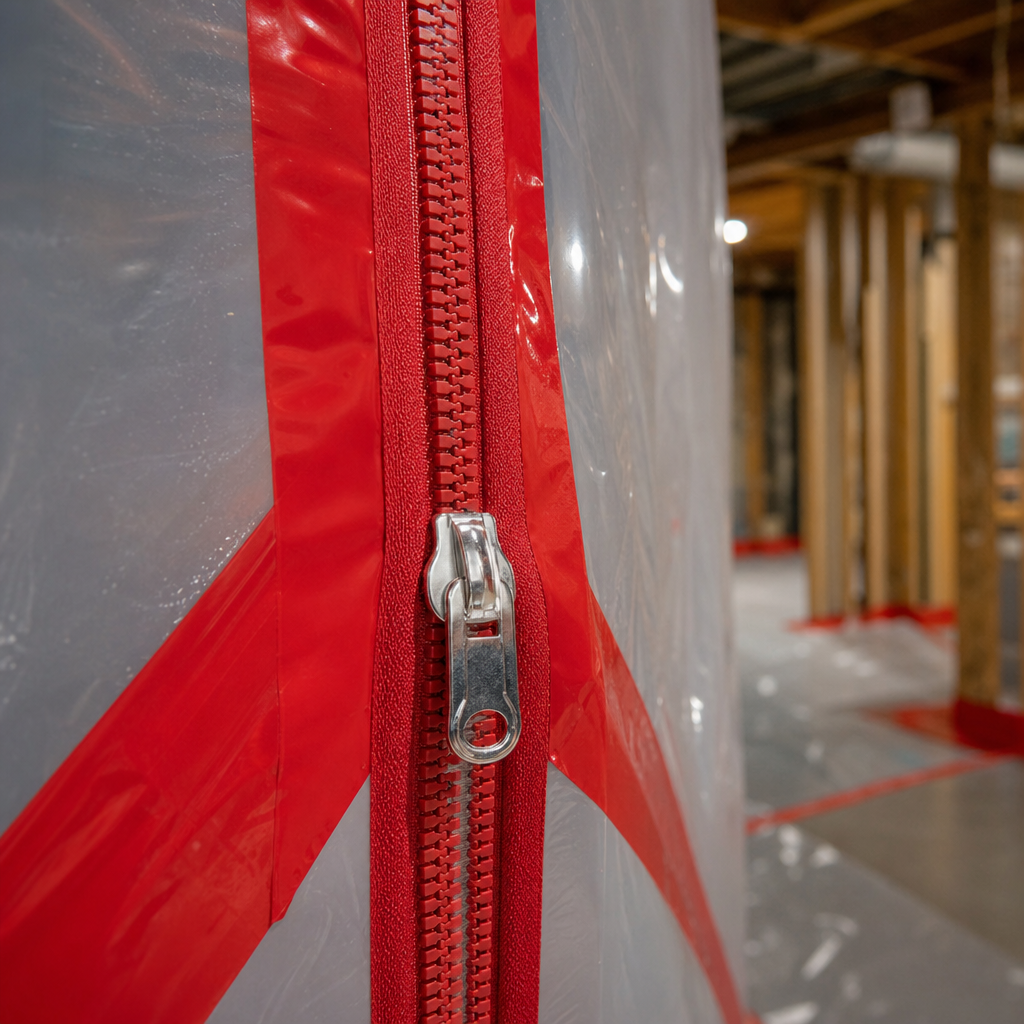
Basements and crawl spaces are often susceptible to high humidity and water seepage. Below-grade areas can trap moisture behind walls or under flooring, creating conditions favorable for mold growth on framing, drywall, and stored items.
Managing Water Intrusion
Groundwater seepage or drainage backups require prompt attention. Abatement contractors like Floodline Restoration Co. typically establish containment to limit the spread of dust and mold spores to upper living levels while extracting standing water, removing severely damaged materials, and applying controlled drying methods.
5. Moisture Considerations in Attached Buildings
Attached structures and older multi-family buildings may present unique moisture pathways. These can serve as examples of complex remediation scenarios:
Shared Walls and Vapor Migration
In attached properties sharing common masonry or party walls, water leaks in an adjacent unit can potentially introduce moisture into shared structural assemblies. In these cases, remediation planning may need to account for moisture migrating from adjoining spaces to prevent mold from recurring.
Framing Pockets
In some masonry construction styles, floor joists rest directly within masonry wall pockets. If water enters the masonry, trapped moisture in these pockets can affect wood ends. Thorough inspection and targeted drying of framing pockets are often recommended during remediation in these structures.
6. Contractor Selection and Licensing Requirements
Need mold abatement companies?
We’re available now - call for a fast, free estimate.
Selecting a properly qualified professional is essential for effective mold cleanup.
New York State Licensing Rules
Under official New York State Department of Labor regulations (Article 32 of the New York State Labor Law), mold assessors and mold remediation contractors must be licensed by the state. The law requires a strict separation of roles: the licensed mold assessment company that performs the initial inspection and develops the remediation plan cannot be the same company or individual that performs the actual mold remediation work on that project.
Selecting a Qualified Contractor
When evaluating remediation contractors, property owners should:
- Ask about the contractor’s specific qualifications, training, and practical experience.
- Request and contact client references.
- Verify any claimed industry certifications directly with the issuing organizations. As professionals at Floodline Restoration Co. point out, voluntary trade credentials (such as IICRC certifications) are separate from state-mandated licensing requirements.
7. Insurance Considerations for Mold and Water Damage
Whether mold remediation is covered by insurance depends entirely on your specific policy terms and the underlying cause of the damage.
Policy Terms and Perils
Homeowners policies often limit or exclude coverage for mold resulting from long-term neglect, chronic maintenance issues, or ground flooding, while coverage may be available for sudden, accidental water discharges depending on policy endorsements and sub-limits. Property owners should carefully review their policy documents and contact their insurance provider before arranging remediation work.
8. General Remediation Workflow
While project timelines and procedures vary based on the scope of work and drying conditions, typical residential remediation generally follows several standard phases:
Typical Workflow Stages
- Assessment and Containment: The work zone is isolated using plastic containment barriers and air filtration equipment to minimize spore dispersal.
- Material Removal and Cleaning: Materials that cannot be effectively salvaged are removed, and remaining surfaces are cleaned using appropriate physical and antimicrobial methods.
- Drying: Dehumidification and air-moving equipment run as needed until moisture levels in structural materials are stabilized.
- Post-Remediation Evaluation: A final evaluation or clearance inspection is conducted to ensure the work area is thoroughly dry and cleaned before reconstruction begins.
Frequently Asked Questions About Mold Abatement
What is the difference between mold remediation and mold abatement?
In residential restoration, both terms are generally used interchangeably to describe identifying moisture sources, isolating contaminated zones, cleaning or removing affected materials, and drying the structure to safe, normal baselines.
Does homeowners insurance pay for professional mold removal?
Coverage depends on the terms of your specific policy and the root cause of the moisture intrusion. It is recommended that you review your policy and contact your insurance carrier before arranging work.
Do I have to leave my home during the abatement process?
In many cases, occupants can remain in the home if the affected area can be safely contained. However, temporary relocation may be advisable if the remediation involves essential living areas, such as the primary bathroom or kitchen, or if extensive containment is required.
How long does the remediation process take?
As noted by Floodline Restoration Co., project duration varies depending on the square footage, the extent of structural moisture, and the amount of drying time required for framing and subfloors.
What should I look for when hiring a mold contractor?
In New York, verify that the contractor holds an active New York State Mold Remediation Contractor license, and ensure the remediation contractor is independent from the licensed assessor. In addition, ask about staff training and experience, check references, and verify any industry certifications with the issuing organization.
Need mold abatement companies?
We’re available now - call for a fast, free estimate.
Sources
- Mold in a Changing Climate - Implications for Fungal Exposures … – academiccommons.columbia.edu (2023)
- Mold Remediation Market Size: What the Numbers Measure and What They Mean for You – homesafetypros.com (2033)
- Can You Get Rid of Mold: The Honest Decision Framework – inspectandtest.net (2026)
Related reading: Mold Removal Specialist | Call Now-10% Off | Same-Day Service | Free Estimate
Related reading: Sewage Backup Cleanup Near Me | Call Now-10% Off | Same-Day Service | Free Estimate
Frequently Asked Questions
How can Queens property owners avoid predatory pricing when hiring mold abatement companies?
Floodline Restoration Co. counters predatory industry pricing by providing free visual inspections and honest, upfront remediation estimates with no hidden fees. Our IICRC-certified technicians use diagnostic moisture meters and thermal imaging to scope the exact problem so you only pay for necessary containment and drying.
How does New York State law impact hiring a mold abatement contractor?
Under NYS Article 32, the company conducting the initial mold assessment cannot legally perform the remediation work on the same property. Floodline Restoration Co. strictly adheres to these state regulations, executing targeted remediation plans from licensed assessors while applying industry-leading IICRC containment standards.
What happens after professional mold abatement is finished?
Following containment, material removal, and dehumidification, a post-remediation verification confirms structural framing and subfloors have returned to dry, safe baseline moisture levels. Floodline Restoration Co. ensures all work areas pass rigorous inspection standards so your property is clean, stable, and ready for repairs.
About the author
 |
Sarah Jenkins Sarah Jenkins is a certified restoration specialist with over eight years of experience managing water and fire damage recovery projects in the New York metropolitan area. Holding an IICRC certification in Applied Structural Drying, she bridges the gap between technical mitigation and insurance claim processes. Her writing focuses on practical, step-by-step guidance to help property owners navigate the complexities of disaster recovery. |
Water damage, flood, or mold emergency?
We’re available now - call for a fast, free estimate.
Call Now - Free Estimate