
Last updated August 25, 2026
Free visual inspection and a written scope of work before any mitigation begins - photos, moisture readings, and drying logs go in your claim file
The scope we write is the scope we bill. Anything new gets shown to you, in writing, before we touch it.
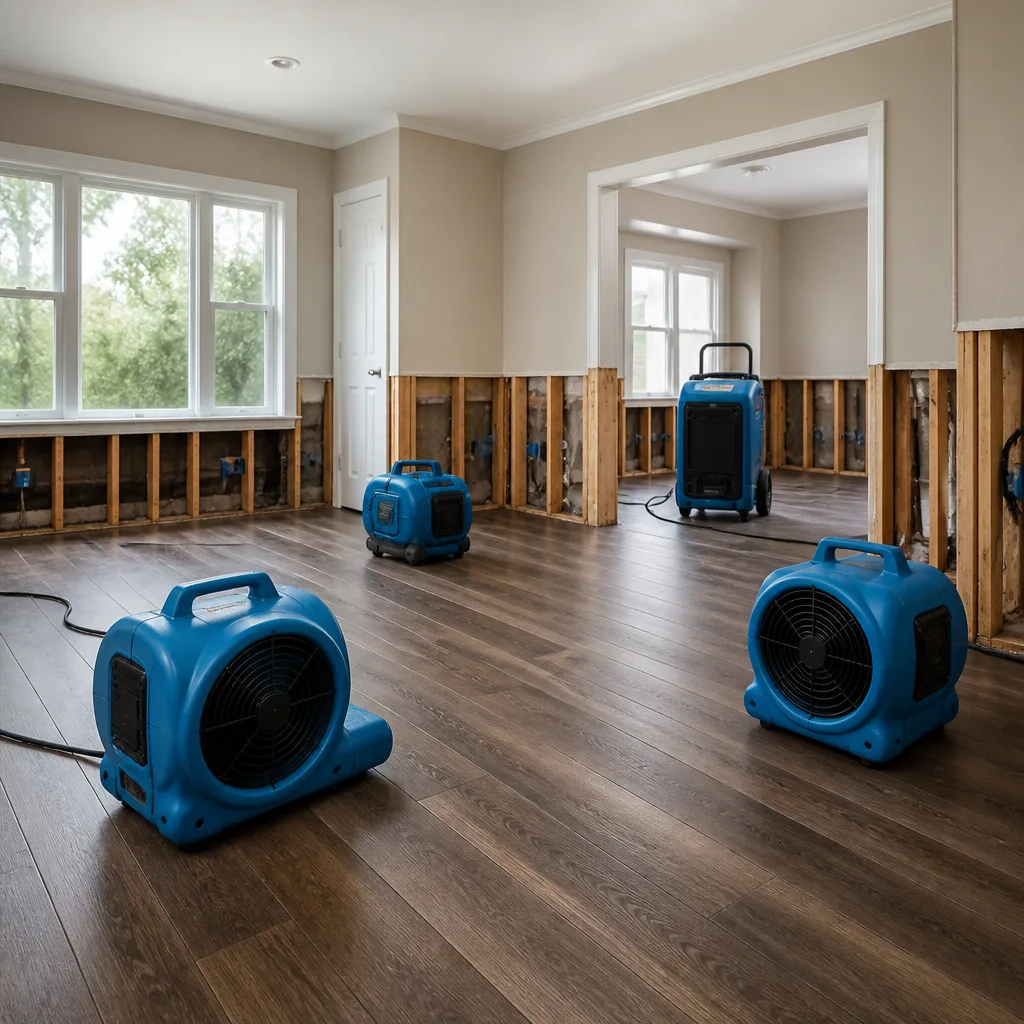
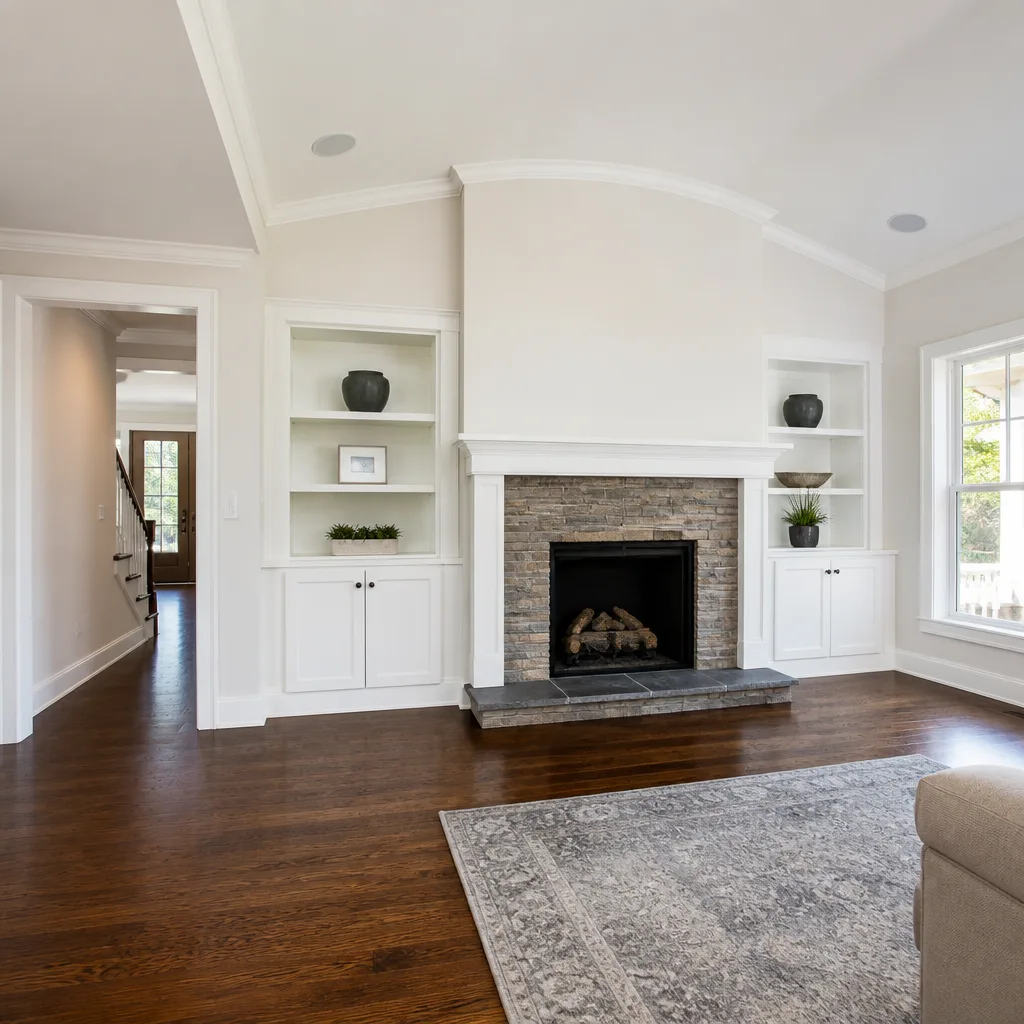
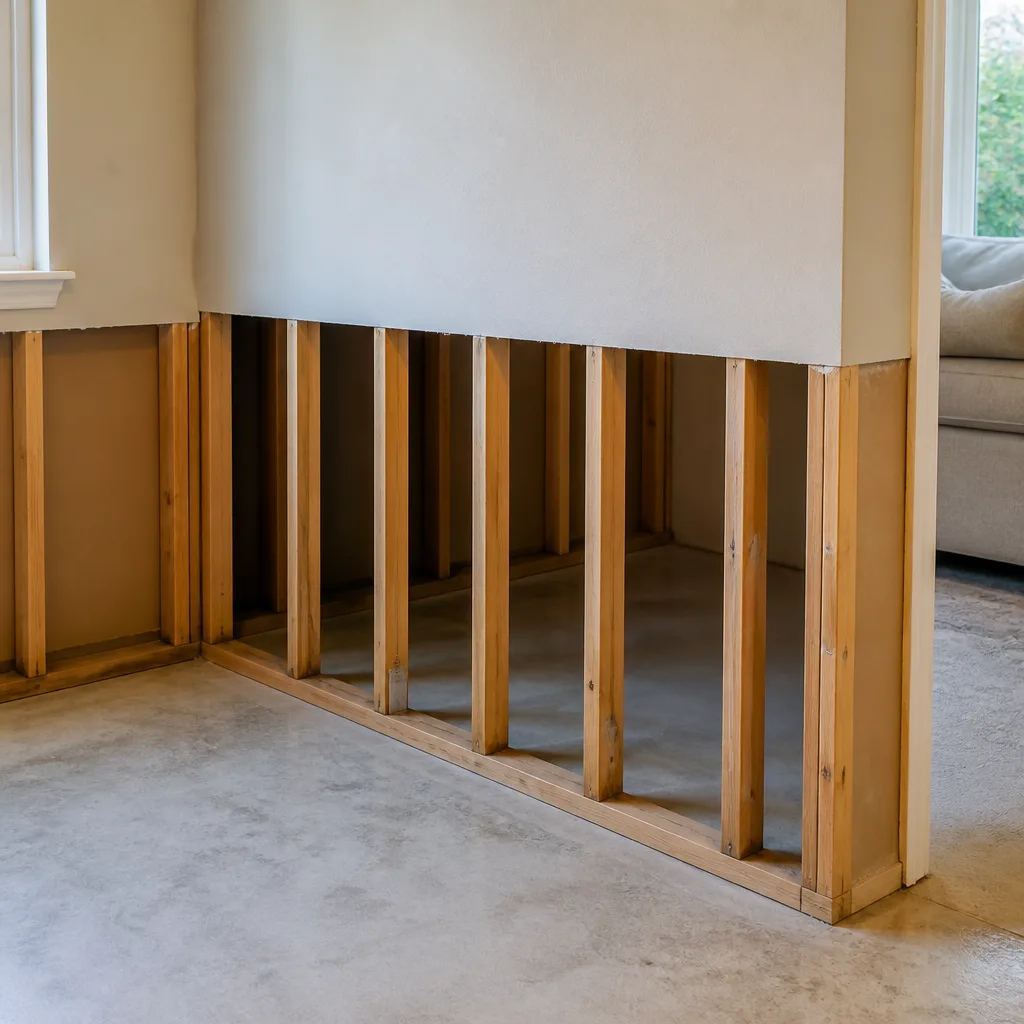
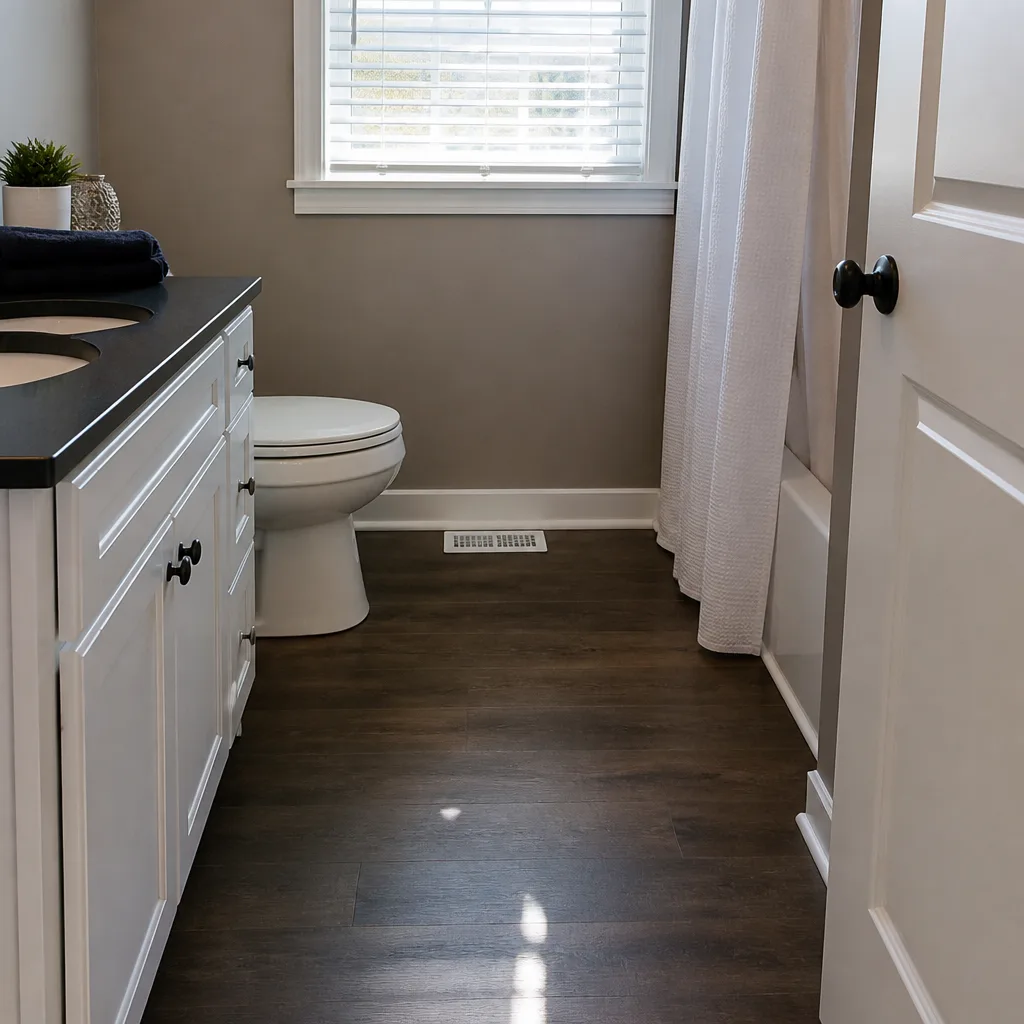

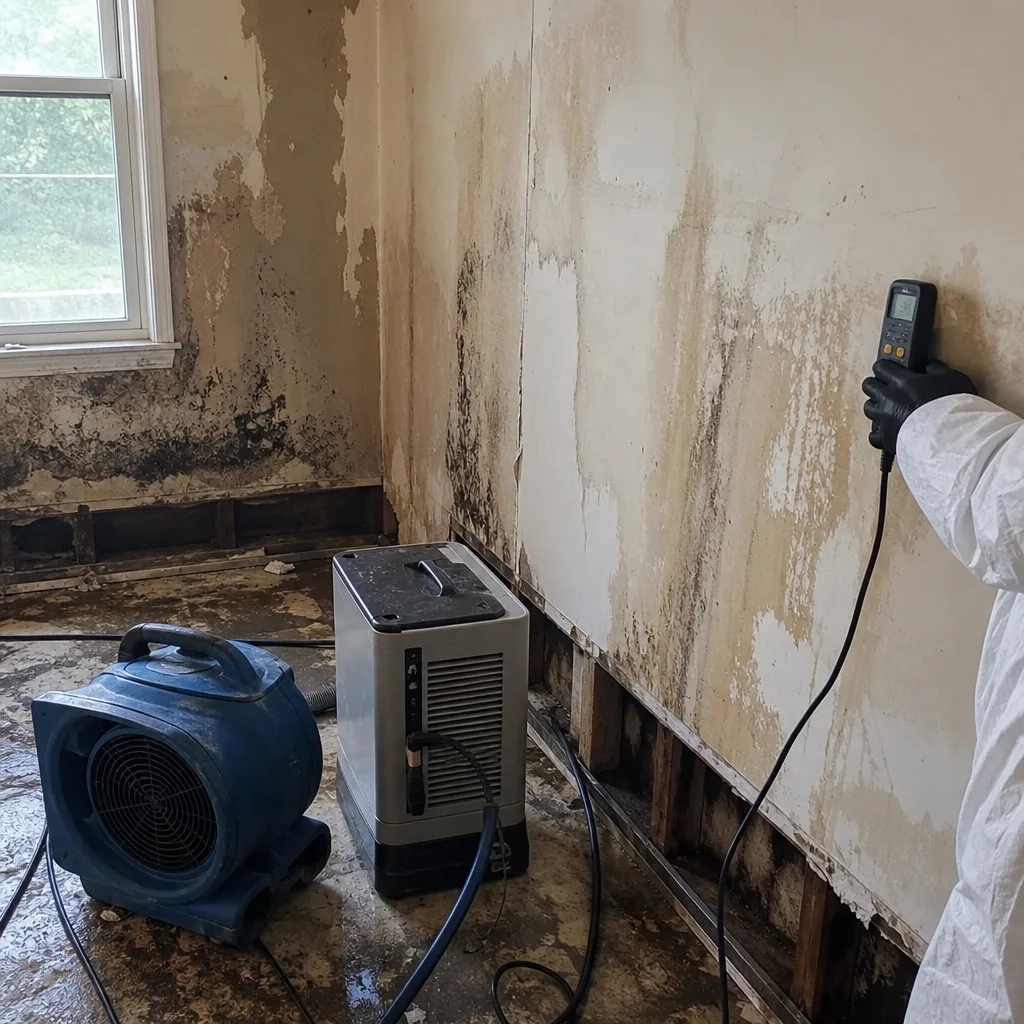 Before
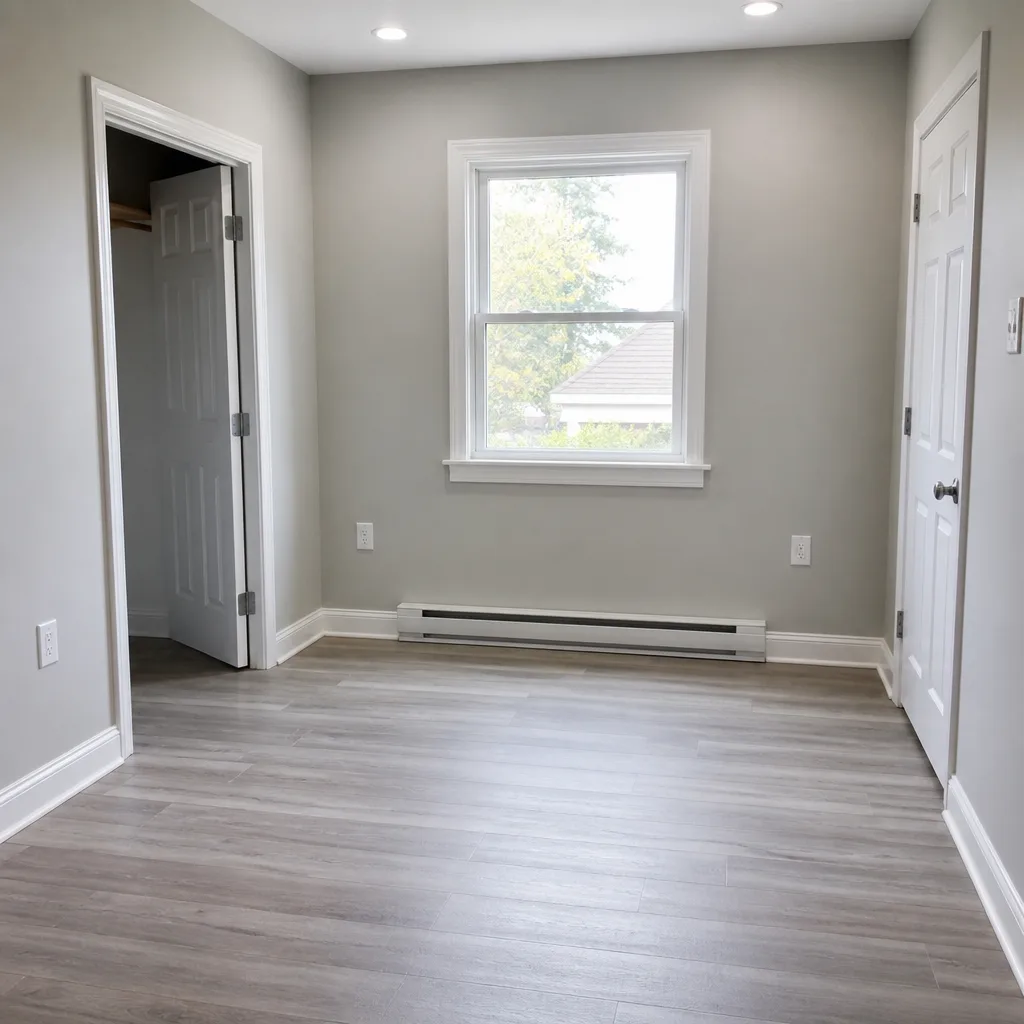 After
After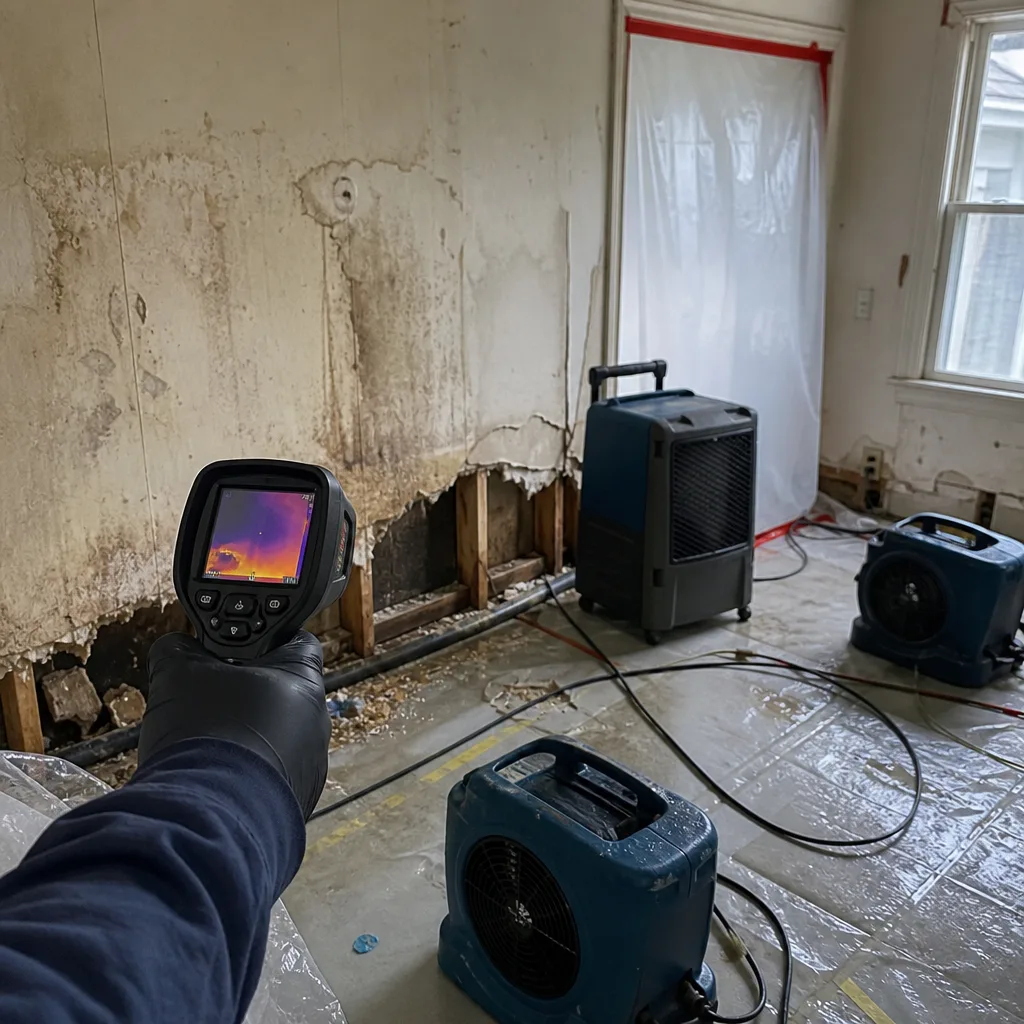 Before
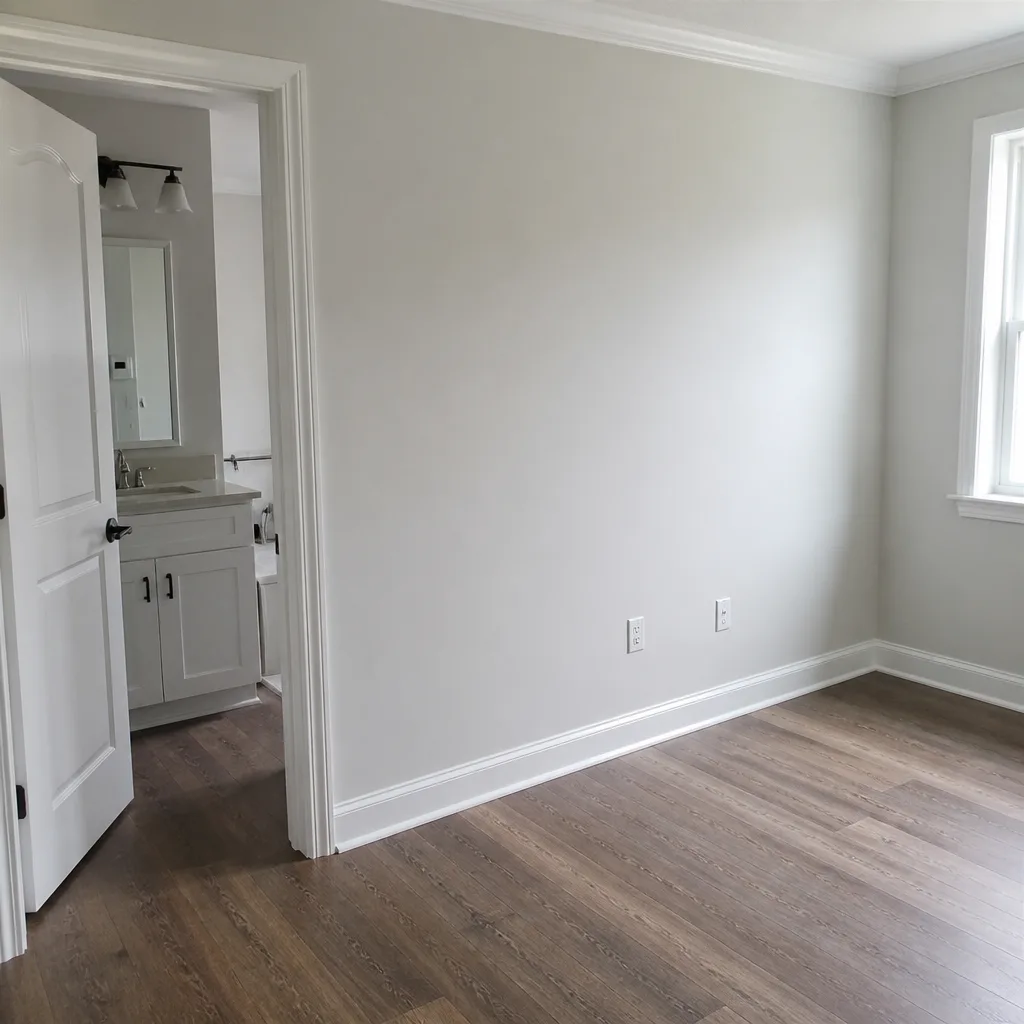 After
After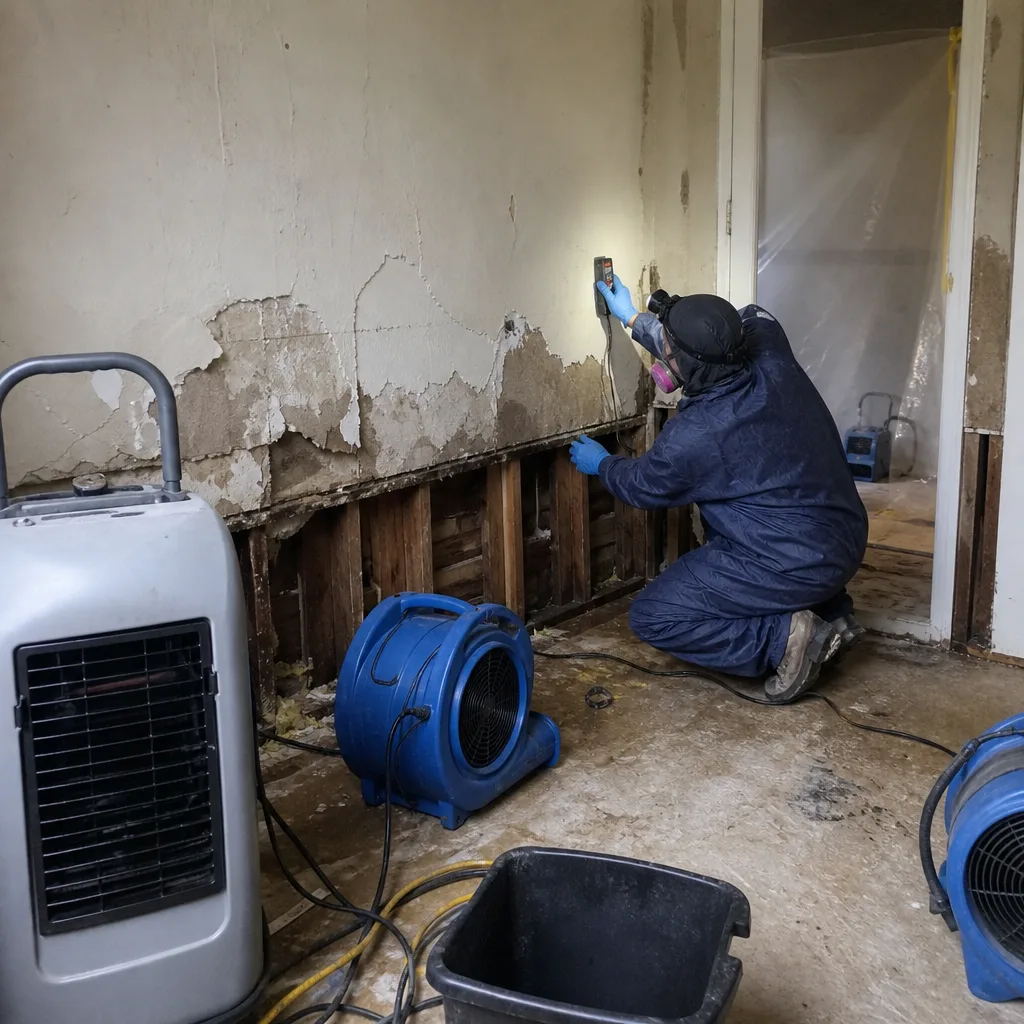 Before
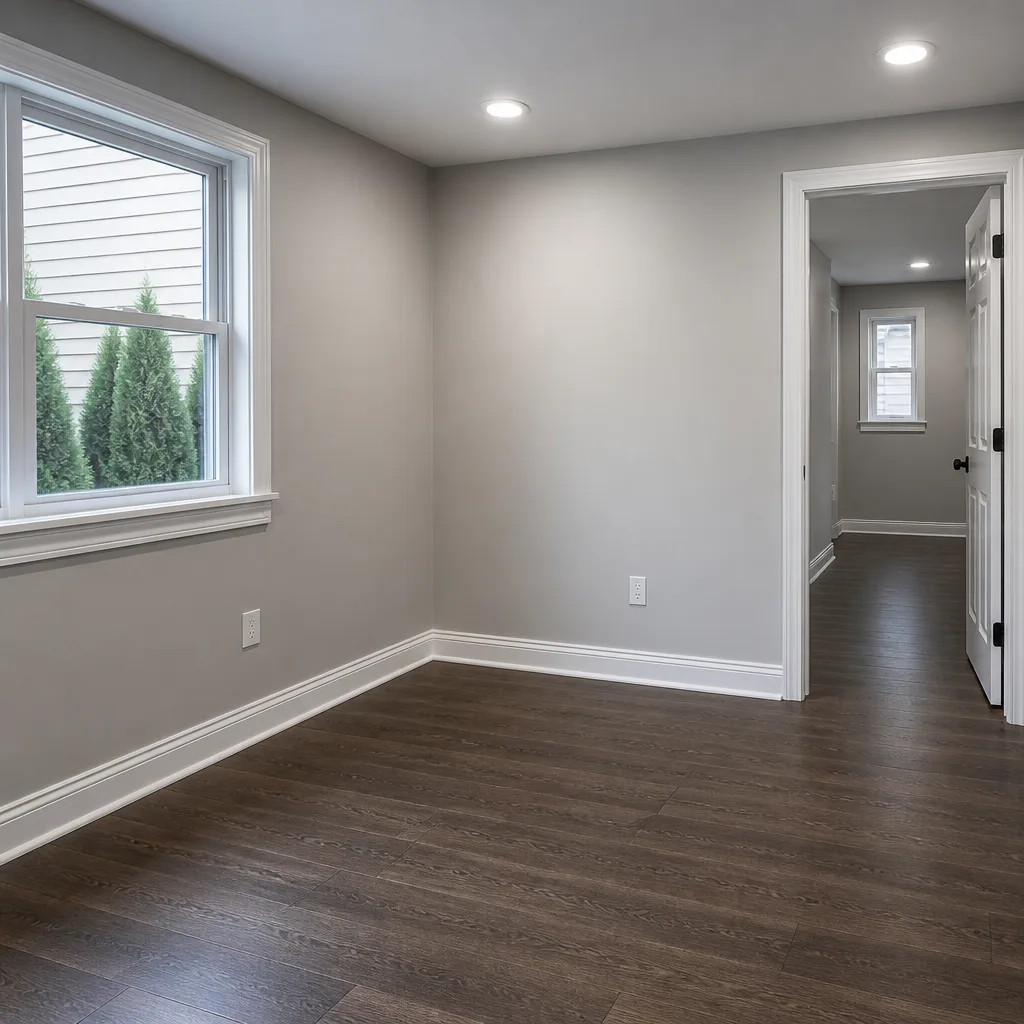 After
AfterDamage Restoration Warning Signs: A Glendale Homeowner’s Reference Guide
Most Glendale homeowners don’t call a restoration company because of what they see. They call because of what they smell, feel, or half-remember noticing three weeks ago and didn’t investigate. By the time water damage, mold, or fire residue announces itself with a visible stain or a crumbling ceiling, the repair bill has usually tripled. This guide walks through the warning signs that matter in Glendale specifically, the ones that quietly turn a $400 dry-out into a $14,000 rebuild, and how to catch them before the damage migrates from one room into the framing, the subfloor, and the neighbor’s wall.
Quick Answer
The warning signs of hidden damage in a Glendale home are a persistent musty odor, paint that bubbles or peels without a known leak, a water bill that climbs month over month with no change in usage, baseboards that warp or stain from behind, and drywall that feels soft or chalky to the touch. If you notice any one of these, the damage has already been active for weeks. Calling a restoration company in Glendale the same week you spot it typically cuts the final repair cost by half or more compared to waiting a month.
Table of Contents
- Water Damage: The Signs Glendale Homeowners Miss Most
- Mold Growth: What Hides Behind Glendale Walls
- Fire and Smoke Residue: Damage You Can’t Always See
- Storm and Sewage: When Glendale’s Sewers Back Up
- Structural Red Flags: Framing, Subfloor, and Drywall
- Basements and Crawlspaces: Glendale’s Hidden Trouble Spots
- The Insurance Timeline: Why Speed Changes the Claim
- Common Mistakes to Avoid
- When to Call a Professional
- Frequently Asked Questions
- The Bottom Line
Water Damage: The Signs Glendale Homeowners Miss Most
Glendale’s housing stock skews older, a lot of it built between 1920 and 1960. That means galvanized supply pipes, cast-iron drain lines, and plaster walls over wood lath. All three hide water damage longer than anything built with modern materials. A slow pinhole leak inside a wall cavity in a Glendale Tudor or a brick row house can run for six months before it shows on the finished surface. By the time you see the coffee-colored stain, the plaster keys have let go, the lath is saturated, and the stud behind it has started to wick moisture upward and downward.
The signs to look for, in order of how early they appear:
- A smell like wet cardboard or damp earth in a room with no visible source. This is often the first and only sign for weeks.
- Paint bubbling in a circular pattern, not linear like a drip. A circle means hydrostatic pressure from inside the wall, not a spill on the surface.
- Baseboards that have pulled away from the wall by an eighth of an inch or more, especially in corners where two walls meet.
- Nail pops appearing in clusters on ceilings or upper walls. Water-weakened drywall or plaster pushes the nail heads out as it swells.
- A single floorboard that sits proud of its neighbors, or tile grout lines that darken in one area and won’t lighten after scrubbing.
We’ve walked into Glendale homes where the homeowner called us for a roof leak and the real problem was a supply line weeping inside a second-floor wall for eight months. The water had traveled down the stud bay, pooled on the first-floor ceiling joists, and begun to rot the subfloor before anyone saw a single drop. In our experience, the damage that announces itself is rarely the whole story.
One habit worth building: check your water meter once a month. Turn off every fixture in the house, look at the meter, then look again twenty minutes later. If the number moved and nobody used water, you have a leak inside the building envelope. Glendale’s water rates make this test pay for itself in a single billing cycle.
Mold Growth: What Hides Behind Glendale Walls
Mold in Glendale homes almost never starts in the open air of a living room. It starts behind furniture pushed against an exterior wall, under a sink cabinet that’s been damp for a season, inside a chimney chase, or on the backside of drywall where a slow leak has kept the paper facing wet. The first sign is usually smell. Mold odor is specific: earthy, sour, sometimes described as “old basement” even on a second floor. If you smell it but can’t see it, the mold is behind a surface.
Other signs that Glendale homeowners report to us, in order of frequency:
- A room that feels humid even when windows are open and the heat is off. Mold raises the ambient humidity as it grows.
- Discoloration that returns after cleaning. If you bleach a patch of wall and it comes back darker within a month, it’s not surface dirt. Bleach does not kill mold on porous surfaces; it bleaches the color while the colony stays alive behind the paper.
- Condensation on windows that never used to sweat, especially in rooms with no humidity source.
- Family members with new or worsening respiratory symptoms that improve when they leave the house: chronic cough, sinus pressure, headaches, or skin irritation that flared up around the same time the smell appeared.
Glendale’s summer humidity matters here. Outdoor humidity in July and August regularly pushes indoor humidity above 60% in houses without a whole-home dehumidifier or proper air conditioning. Mold’s threshold for active growth is about 60% relative humidity, and once a colony establishes itself in a wall cavity, it doesn’t need the outdoor weather to keep going. It creates its own microclimate.
What we tell Glendale homeowners is this: mold you can see is typically about 30% of the total colony. The other 70% is behind the drywall, on the back of the baseboard, or under the flooring. Treating only the visible patch is how homes end up with recurring mold in the same spot, year after year, even after multiple “cleanings.” The fix that lasts requires finding the moisture source, removing the affected material, and drying the cavity to a measurable standard before rebuild. We use moisture meters and thermal imaging to map the full extent before we cut anything, and we log daily drying readings until the cavity meets IICRC dry standards. That log is part of what we hand to the homeowner and their carrier, so nobody is trusting a guess.
Fire and Smoke Residue: Damage You Can’t Always See
A kitchen fire in Glendale usually gets put out fast. The local fire companies respond quickly, and most homeowners are left with a scorched wall, a ruined stovetop, and a living room that smells like a campfire for weeks. What they don’t see is what smoke does once it cools. Smoke is a gas carrying microscopic particles of burned material, and when that gas cools, the particles condense onto every surface they touch. Within 48 hours, that residue hardens into a film that binds to paint, fabric, grout, and the inside of HVAC ducts.
The warning signs that smoke damage has reached the hidden parts of the house:
- A smell that returns every time the heat or AC kicks on. That means the residue is inside the ductwork, and the fan is redistributing it through the house.
- Yellowed patches on walls and ceilings in rooms far from the original fire. Smoke travels through wall cavities, floor joists, and attic spaces and deposits residue where the air slows down.
- Paint that won’t hold new cover months after a fresh coat. Unsealed smoke residue leaches through latex paint and shows as a yellow-brown shadow.
- Metal surfaces that rust or tarnish unusually fast in the months after a fire. Smoke residue is acidic, and it accelerates corrosion on hinges, door hardware, and appliance finishes.
Here’s the part most Glendale homeowners don’t hear until it’s too late: soot damage gets worse every day it sits. The residue is chemically active. Within days it begins etching glass, discoloring plastics, and working its way into porous surfaces. A cleanup that would have taken three days in week one becomes a full re-paint, re-finish, and duct cleaning in week three. The commercial-grade cleaning agents and HEPA air scrubbers we run on fire jobs are not the same thing as a bottle of degreaser and a good scrub. And when we’re done, the ductwork gets cleaned or lined so the smell doesn’t ride the furnace for the next five years. Our crews are trained to IICRC and RIA standards for fire and smoke restoration, and they carry the right equipment to remove residue rather than just paint over it.
Storm and Sewage: When Glendale’s Sewers Back Up
Glendale’s combined sewer system handles both stormwater and sanitary sewage in many parts of the neighborhood. That’s true across much of Queens, and it creates a specific risk profile for homeowners here. During heavy rain, the same pipes that carry toilet waste also carry street runoff. When the volume exceeds the pipe’s capacity, the system backs up. In low-lying sections of Glendale, especially near basements, that backup can come up through floor drains, through the base of toilets, and through laundry standpipes.
The signs that a backup is brewing or has already started:
- Gurgling sounds from drains that aren’t in use, especially the basement floor drain, when you flush a toilet or run the washing machine.
- Multiple slow drains at once across different rooms. One slow drain is a clog. Three slow drains is a mainline problem or a city-side backup.
- Water pooling around a basement floor drain after a heavy rain, even if the rain happened hours ago. The city system takes time to relieve.
- A sewer gas smell in the basement or laundry room, which means the water seal in a trap has been broken and gases are venting into the house.
Sewage water is classified as Category 3 water by the IICRC, the worst category of water damage, and it requires a different response than a clean water leak from a pipe. Category 3 water carries bacteria, viruses, and parasites. Every porous surface it touches, carpet, drywall, upholstered furniture, is contaminated and must be removed or professionally cleaned with antimicrobial treatment. This is not a bleach-and-shop-vac situation. In our experience, Glendale homes with finished basements hit by a sewage backup lose the bottom two feet of drywall, all carpet and pad, and any baseboard within the soak zone. The framing behind those finishes needs to be cleaned, disinfected, and dried before any rebuild starts.
If you smell sewer gas in your Glendale home, open windows, keep people and pets out of the affected area, and call for help day or night. Our phone is answered by a live dispatcher 24 hours a day, 7 days a week, and a certified crew can be at the door the same visit. The extraction starts on that first trip, not the next morning.
Structural Red Flags: Framing, Subfloor, and Drywall
Water doesn’t stop at the surface. The materials inside your Glendale walls and floors are hygroscopic, which means they absorb and hold moisture. Framing lumber, plywood subfloor, OSB, plaster lath, and drywall paper all take on water and hold it long after the visible surface looks dry. The structural damage happens slowly, and it often shows up as symptoms that look like normal house settling to an untrained eye.
The red flags we look for on a Glendale damage assessment:
- Doors or windows that stick in humid weather but open fine in dry weather. This is swelling from moisture inside the wall framing, not foundation movement.
- Floors that bounce or feel soft underfoot in front of a dishwasher, under a bathroom, or near an exterior door. These are the classic spots for slow leaks to rot subfloor.
- Ceiling drywall that sags even after someone “fixed” the leak above it. Wet drywall loses its structural integrity permanently. It needs to be cut out and replaced, not patched.
- Wall cavities that sound hollow in some spots and solid in others when you knock. That difference can mean saturated insulation packed against the inside of a cavity.
- Grout or caulk cracking repeatedly at tubs, shower pans, and kitchen backsplashes. Water is getting behind the tile and swelling the substrate.
We run moisture mapping on every Glendale job before we cut or dry anything. The map tells us where the water is, how far it traveled, and what’s actually wet behind the paint. That map is updated with daily readings, logged, and handed to the homeowner and the insurance carrier. When we hit the dry standard, we know the framing is actually dry, not just dry to the touch. The equipment we use for that work is professional-grade: Dri-Eaz dehumidifiers and air movers, Phoenix desiccants, and XPOWER air scrubbers. These are not rental units from a hardware store. They’re commercial machines that move enough air and pull enough water to hit a true dry standard in days, not weeks.
Basements and Crawlspaces: Glendale’s Hidden Trouble Spots
A lot of Glendale homes have basements, and a surprising number of those basements are finished. That means the same warning signs other homeowners see as an obvious leak on a bare concrete floor get buried behind carpet, drywall, and paneling. A finished basement hides water damage longer than any other part of the house. The damage has to travel through the floor assembly and wick up the wall before a homeowner notices the first damp patch of carpet or the smell behind the couch.
The signs specific to Glendale basements and crawlspaces:
- Efflorescence on concrete walls or floors. That white, chalky powder is salts left behind when groundwater moves through the concrete and evaporates. It’s not just cosmetic. It means water is actively moving through the masonry.
- Rust on the bottom plates of basement framing, or on the metal feet of a couch, chair, or shelf that sits on the finished floor. That rust comes from repeated wetting and drying.
- A dehumidifier that runs constantly but can’t keep the space below 55% relative humidity. That means water is entering faster than the dehumidifier can remove it.
- Insects that suddenly appear in clusters: silverfish, centipedes, or springtails in the basement. These all feed on damp organic matter. Their presence is a moisture indicator.
- Bow stringing or squeaking worse in summer in the floor above a crawlspace. The joists are swelling and shrinking with humidity swings.
- Hour zero to 48 hours: The carrier expects you to mitigate. That means stopping the source, removing standing water, and beginning drying. If you wait a week and the damage worsens, the carrier can argue that some of the bill is on you.
- Days one to five: The adjuster visits, photos are taken, and the scope of work is documented. Having a moisture map and daily drying log from a restoration company strengthens the claim. It turns “the homeowner says it’s wet” into a measured, professional record.
- Week two onward: The reconstruction scope is written. This is where a restoration company that also does rebuild has a big advantage. The same crew that extracted and dried writes the rebuild scope, and nothing falls through the handoff.
- The 90-day window after completion: This is where our 90-Day Done Right Promise, the Keystone Standard, matters. If something isn’t done right, we make it right, in writing, no arguing. It’s the same standard we’ve held to since Curt Bowman founded Floodline Restoration in 2010, built around a dispatch board, not a sales desk.
- Waiting to see if the smell goes away. It won’t. Musty odors from hidden mold or water damage only get stronger. By the time the smell fades on its own, the colony has usually expanded into new material.
- Painting over a water stain. The stain will bleed through in weeks unless the source is fixed and the material is dried or replaced first. Paint seals moisture in and accelerates rot.
- Using a household dehumidifier for a real dry-out. A home unit pulls pints per day. A professional Dri-Eaz or Phoenix unit pulls gallons per hour. The difference is the difference between drying in four days and drying in four weeks.
- Assuming a Glendale basement that’s “always been damp” is fine. Long-term dampness is exactly what leads to the rot and mold that get discovered in a home inspection years later, costing the seller thousands.
- Believing bleach kills mold. On drywall, wood, or insulation, bleach does not penetrate. It bleaches the surface color while the live colony continues behind it. Proper mold remediation removes the material.
- Filing a claim without documentation. Call a restoration company before you call the adjuster if possible. A professional moisture log, photo file, and written scope give the carrier what they need to approve the claim the first time.
In crawlspaces without a vapor barrier or with a damaged one, Glendale’s rain cycles create a cycle that never fully dries. The soil under the house stays damp, the air inside the crawlspace stays humid, and the floor joists above absorb moisture from below. That’s how subfloor rot starts in homes where nobody has ever seen a leak. We’ve opened crawlspace access panels in Glendale and found joist bottoms soft enough to push a screwdriver into, all from ambient humidity over twenty years.
The Insurance Timeline: Why Speed Changes the Claim
Most Glendale homeowners with a standard HO-3 policy have coverage for sudden and accidental water damage, fire, smoke, and wind-driven rain. What they don’t have is unlimited time. Insurance policies, and the courts that interpret them, draw a line between sudden loss and long-term neglect. The faster you document the damage, report it to the carrier, and get a restoration professional involved, the cleaner the claim.
The timeline that matters in a Glendale restoration claim:
One thing we tell every Glendale client: take photos immediately. Before you call anyone, before you move a single piece of furniture, photograph the damage from four angles. Those photos establish the baseline. When our crew arrives, we document everything and bill the carrier directly, so the homeowner never plays messenger between us and the insurer. That’s the way it should work, and it’s how we’ve handled claims for over four decades in this community.
Common Mistakes to Avoid
When to Call a Professional
Call a restoration professional in Glendale the day you notice water where it shouldn’t be, a smell you can’t identify but suspect is mold, or residue from a fire that won’t scrub clean. Call the same day if you see a ceiling sag, a floor bounce, or water coming up through a basement drain. These are not weekend projects. The damage compounds by the hour, and the window for cost-effective mitigation is measured in days, not weeks. Floodline Restoration Co. offers free estimates in Glendale, call (845) 482-0653, and a live person answers, 24/7. The same certified crew that does the damage assessment handles the extraction, drying, and rebuild, with a written moisture log and the 90-Day Done Right Promise in your hands before we leave.
Frequently Asked Questions
The most reliable signs are a persistent musty smell, paint bubbling in circular patterns, baseboards pulling away from the wall, and nail pops appearing in clusters on ceilings or upper walls. A sudden spike in your water bill with no change in usage is another strong indicator. If you see any of these in your Glendale home, the leak has likely been active for weeks, and the damage is more extensive than what’s visible on the surface.
Yes, and it does constantly. Glendale’s summer humidity, combined with tight building envelopes and finished basements, creates the conditions for mold to grow behind walls, under cabinets, and inside crawlspaces with no pipe leak at all. A whole home that regularly stays above 60% relative humidity is enough. The moisture source may simply be warm, humid air condensing on cool wall cavities.
A live dispatcher answers 24/7, every day of the year. In a water or sewage emergency, a certified crew can reach a Glendale address the same visit, and extraction is running before the crew leaves. That’s the standard. Call (845) 482-0653 any hour, day or night.
Most standard HO-3 policies cover sudden and accidental water damage, fire, smoke, and wind-driven rain. What varies is the documentation. The stronger your file, the better the outcome. We photograph everything, run daily moisture readings, log the data, and bill your carrier directly, so the claim has the professional record it needs from hour one.
If the damage is from clean water and caught within 24 to 48 hours, targeted drying and cleaning may be enough. If the water is from sewage, if mold is visible, or if materials have been wet more than a few days, full remediation is nearly always the answer. The material itself has to come out, the cavity dried to a measurable standard, and the surfaces disinfected. A surface clean leaves the problem alive inside the wall.
We do. Floodline Restoration Co. bills the carrier directly, and our crews document the damage with the same level of detail the adjuster needs to write the check. The homeowner is never the messenger. We’ve handled claims in Glendale and across Queens for years, and our file documentation is built to move through carriers without the back-and-forth that drags claims out.
The Bottom Line
Damage restoration in Glendale is a race against time, and the finishing line is a dry standard, not a dry surface. The warning signs are smell, bubbling paint, warping baseboards, unexplained humidity, and a water bill that climbs without reason. When any of those shows up, the damage is already moving through the framing and the subfloor. A Floodline Restoration Co. home visit gets you a moisture map, a written scope, and a crew that doesn’t hand off mid-job. The initial estimate is free, the work is backed in writing for 90 days, and a live person answers the phone at any hour. Call (845) 482-0653 the day you notice, not the week after.
Written by Curt Bowman, Owner at Floodline Restoration Co., serving Glendale since 2010.