
Last updated August 25, 2026
Free visual inspection and a written scope of work before any mitigation begins - photos, moisture readings, and drying logs go in your claim file
The scope we write is the scope we bill. Anything new gets shown to you, in writing, before we touch it.
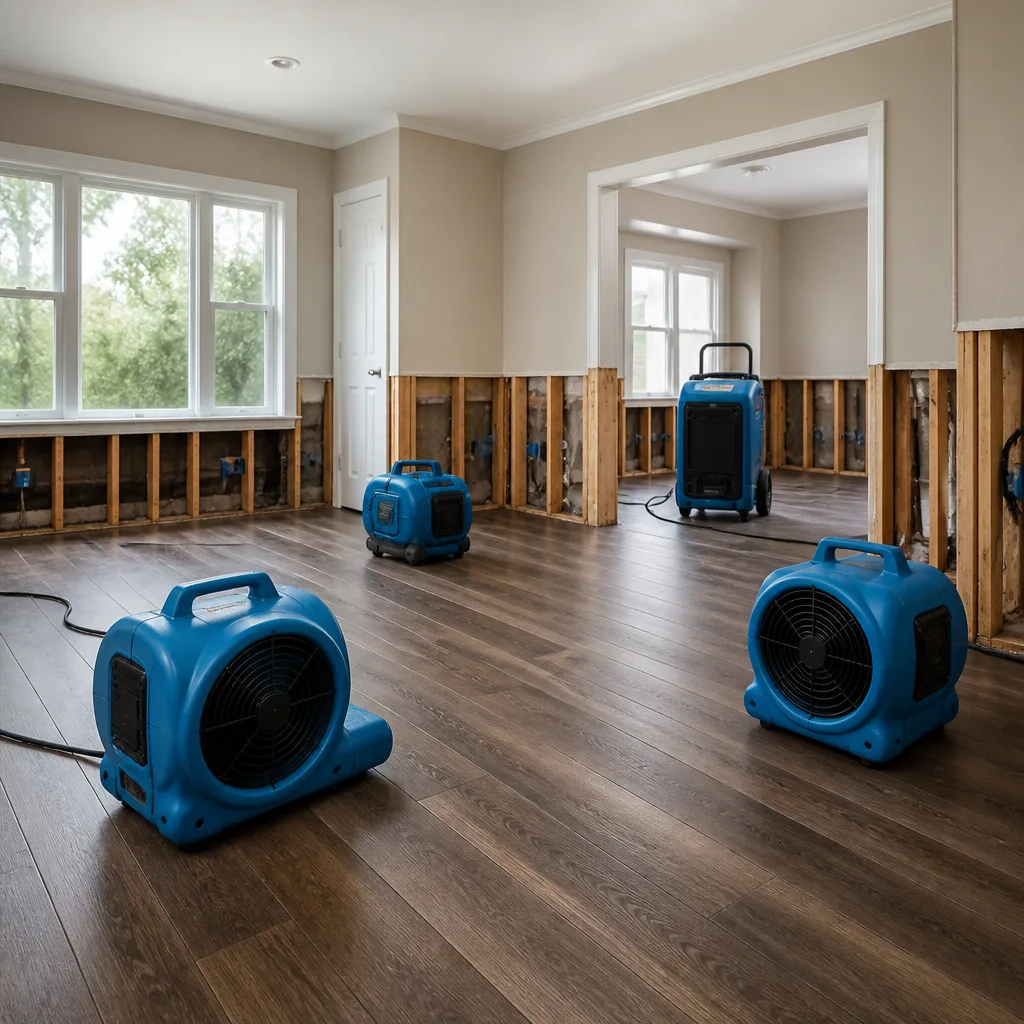
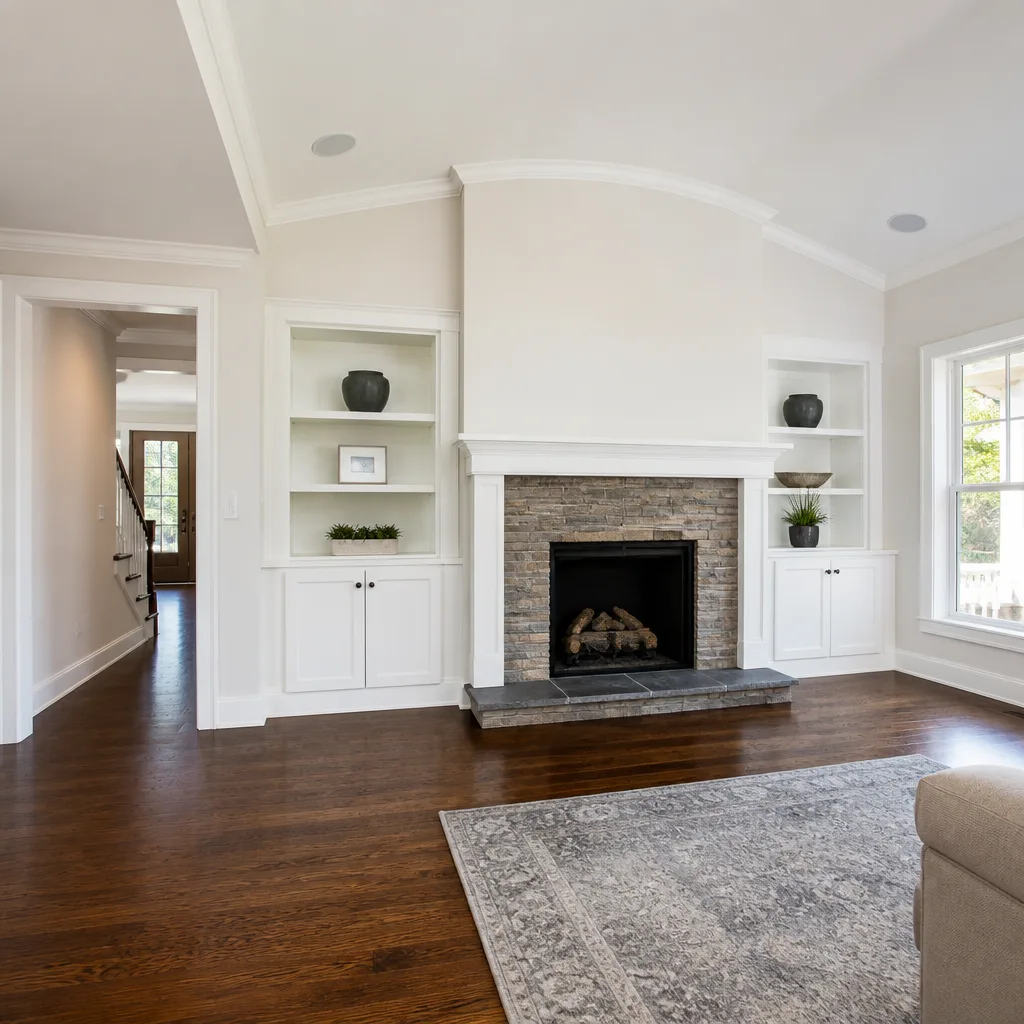
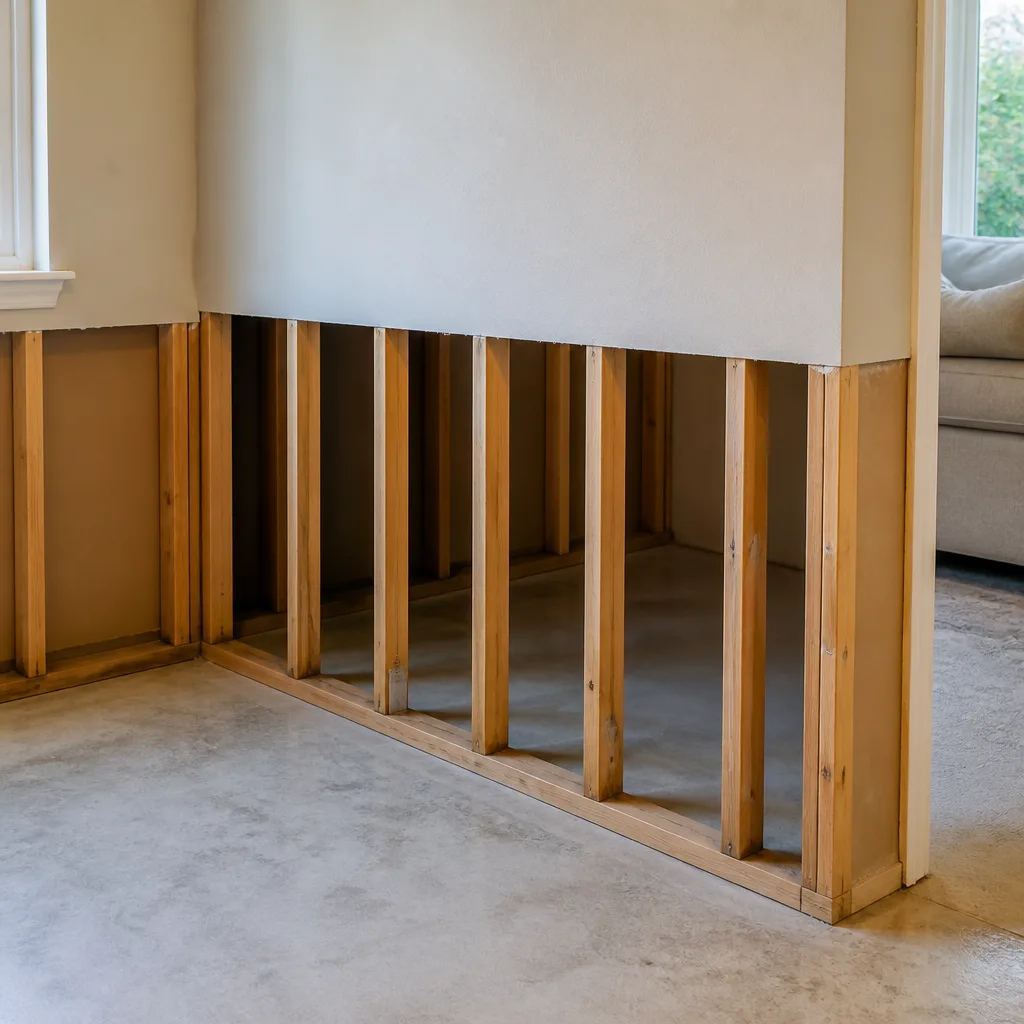
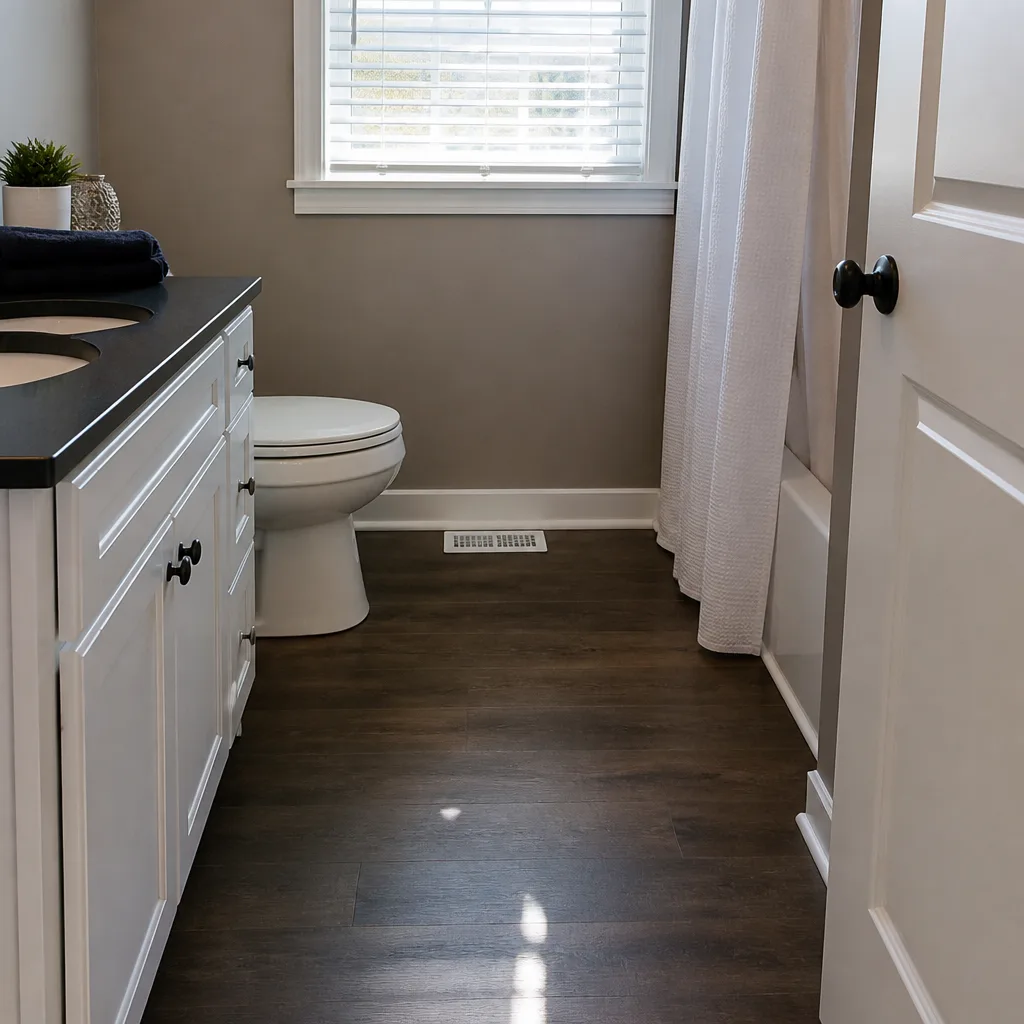
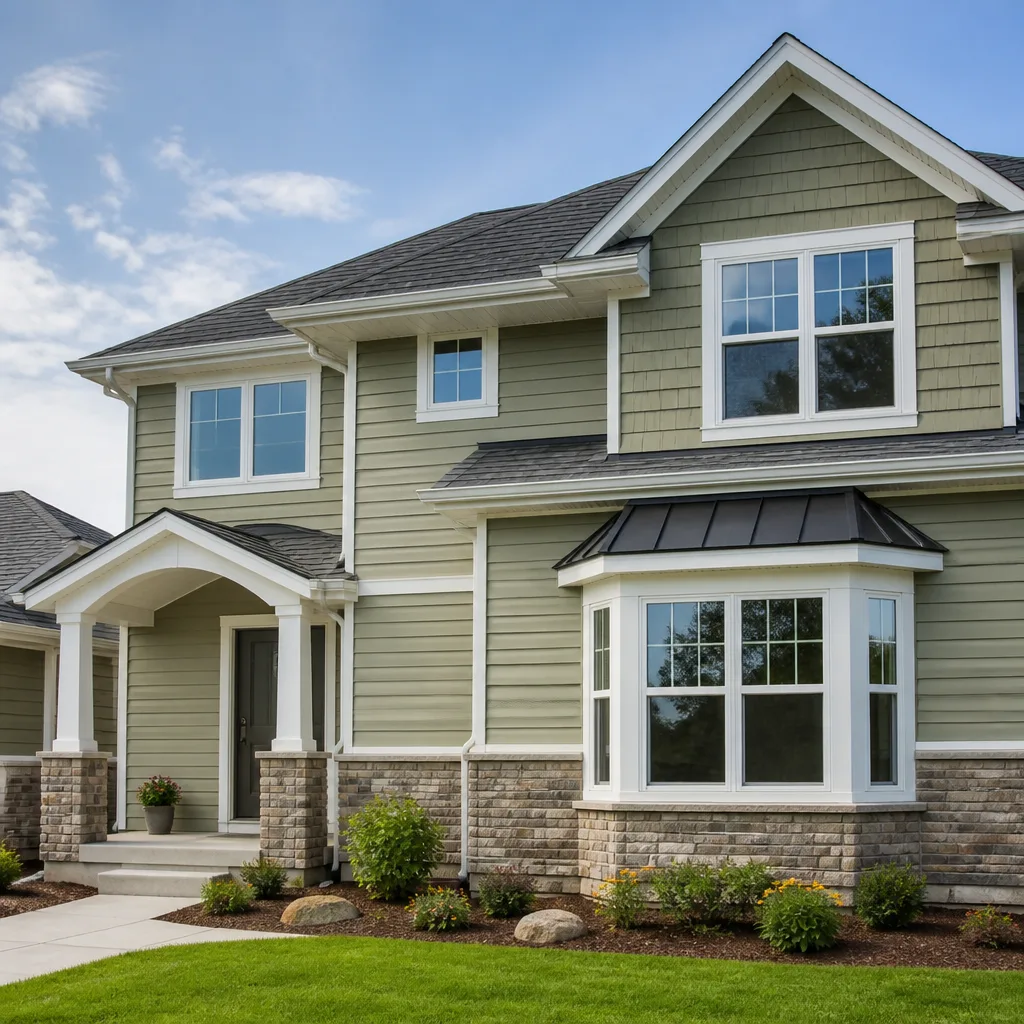
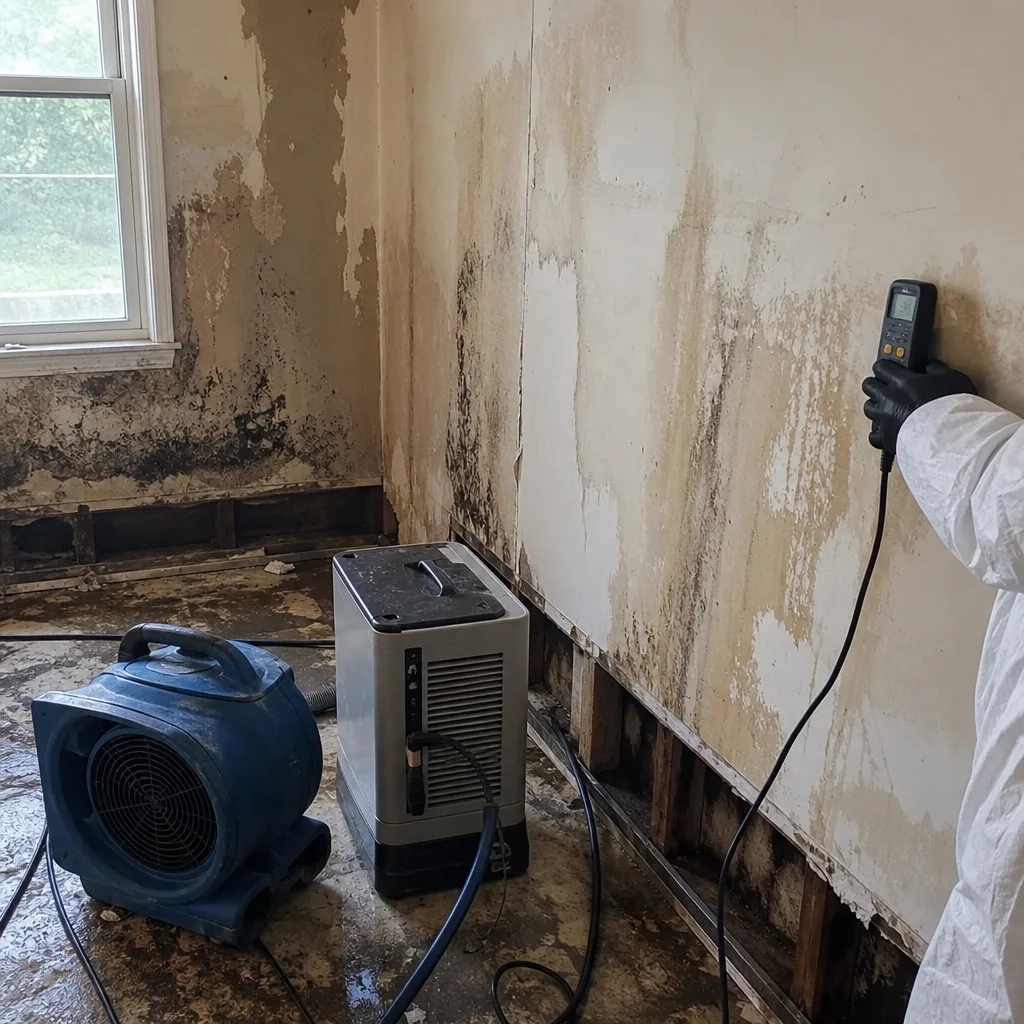 Before
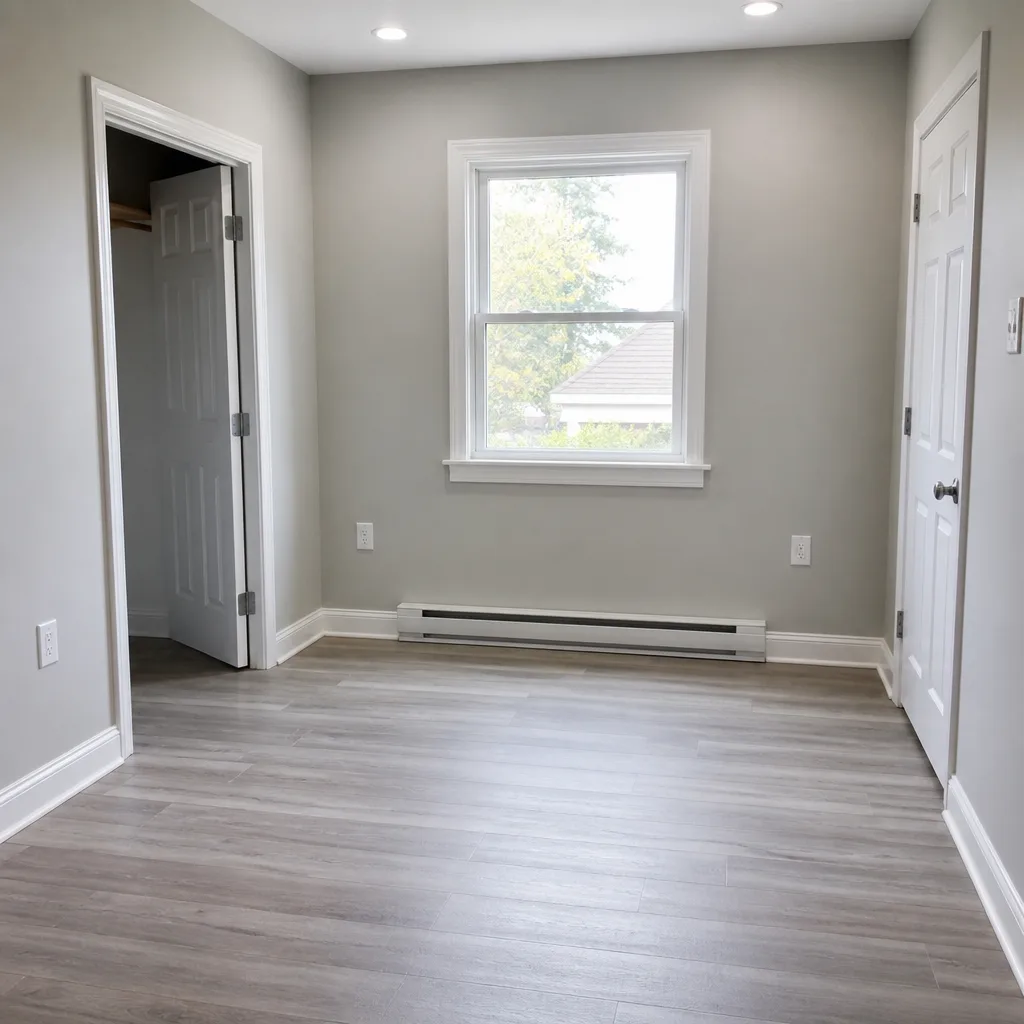 After
After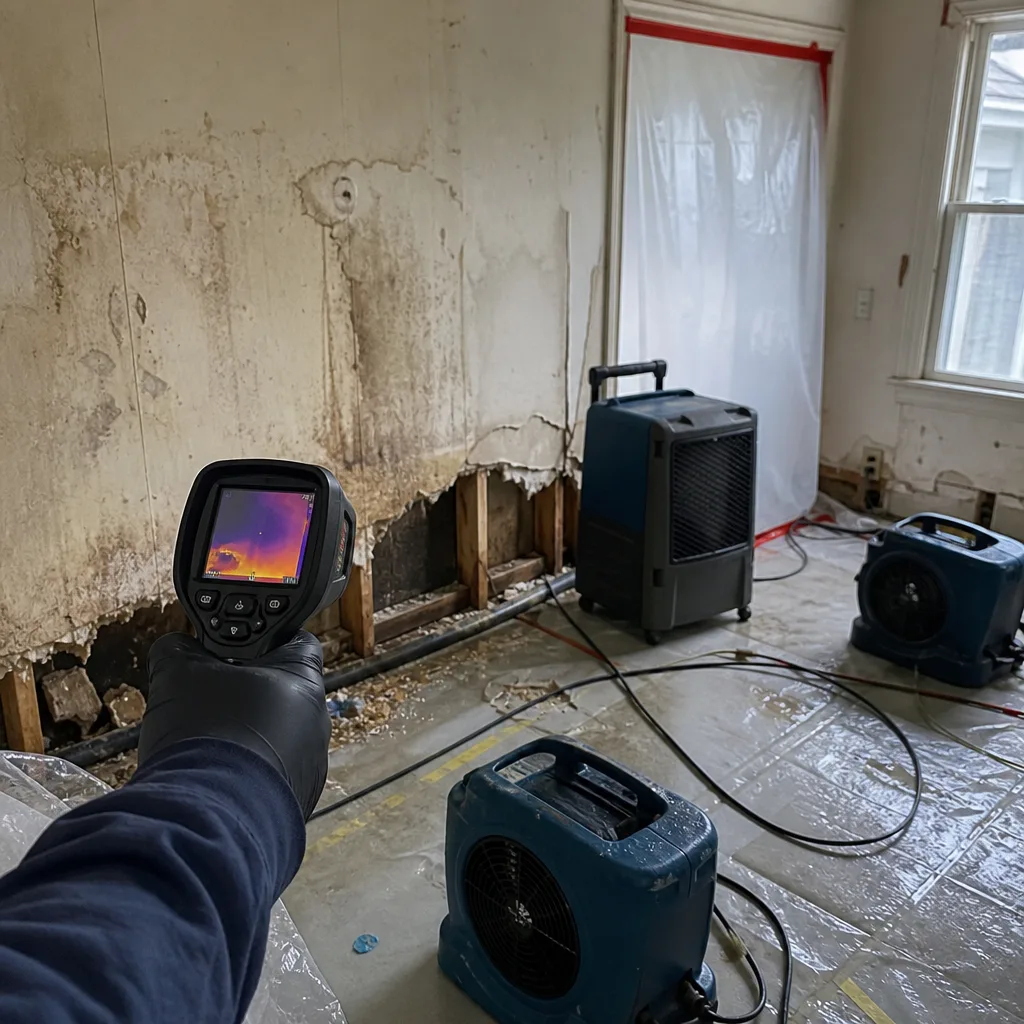 Before
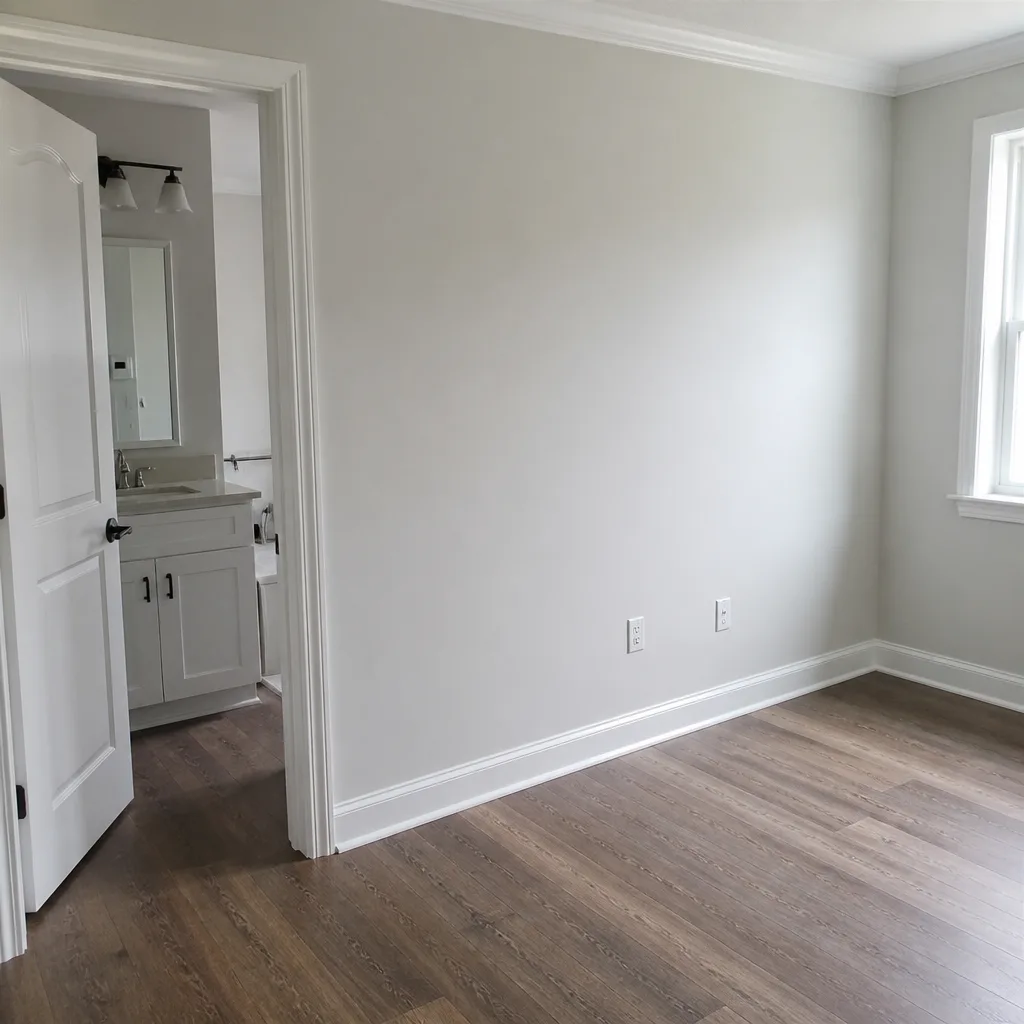 After
After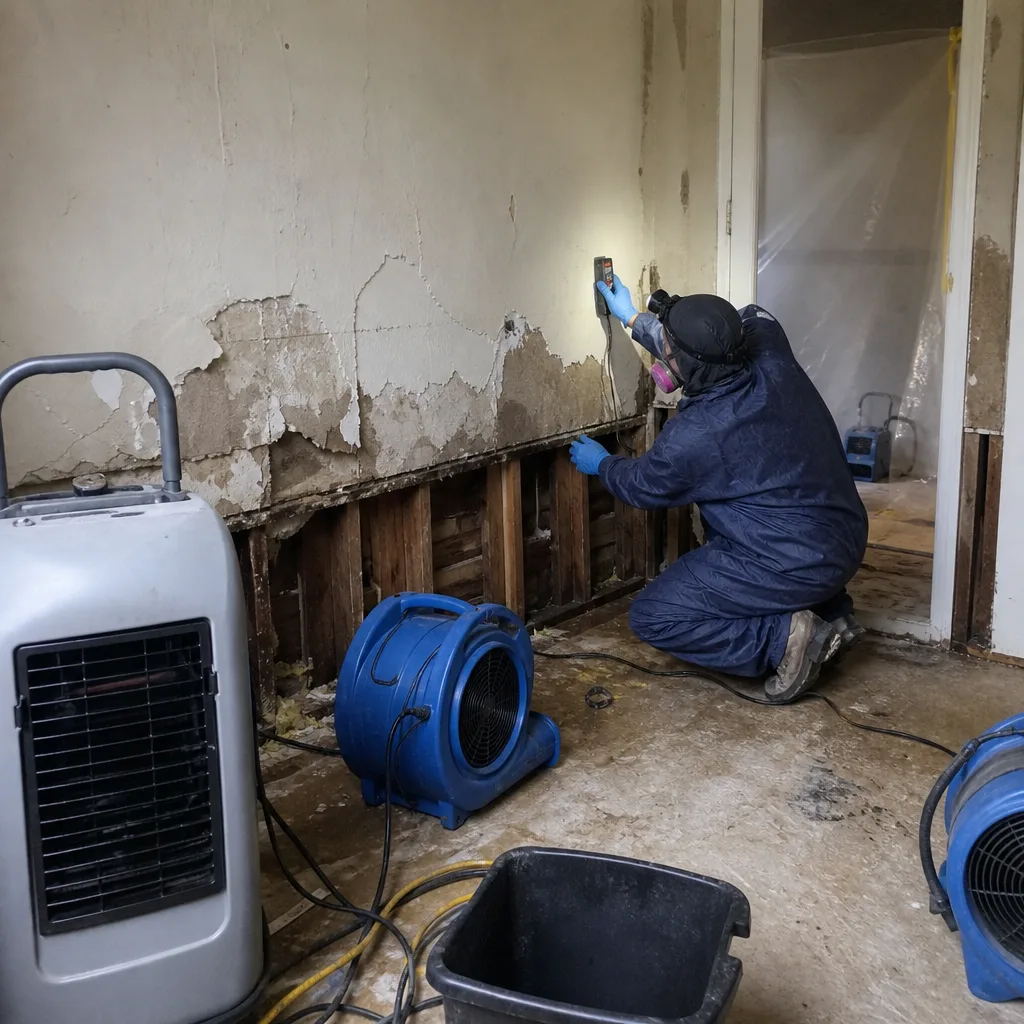 Before
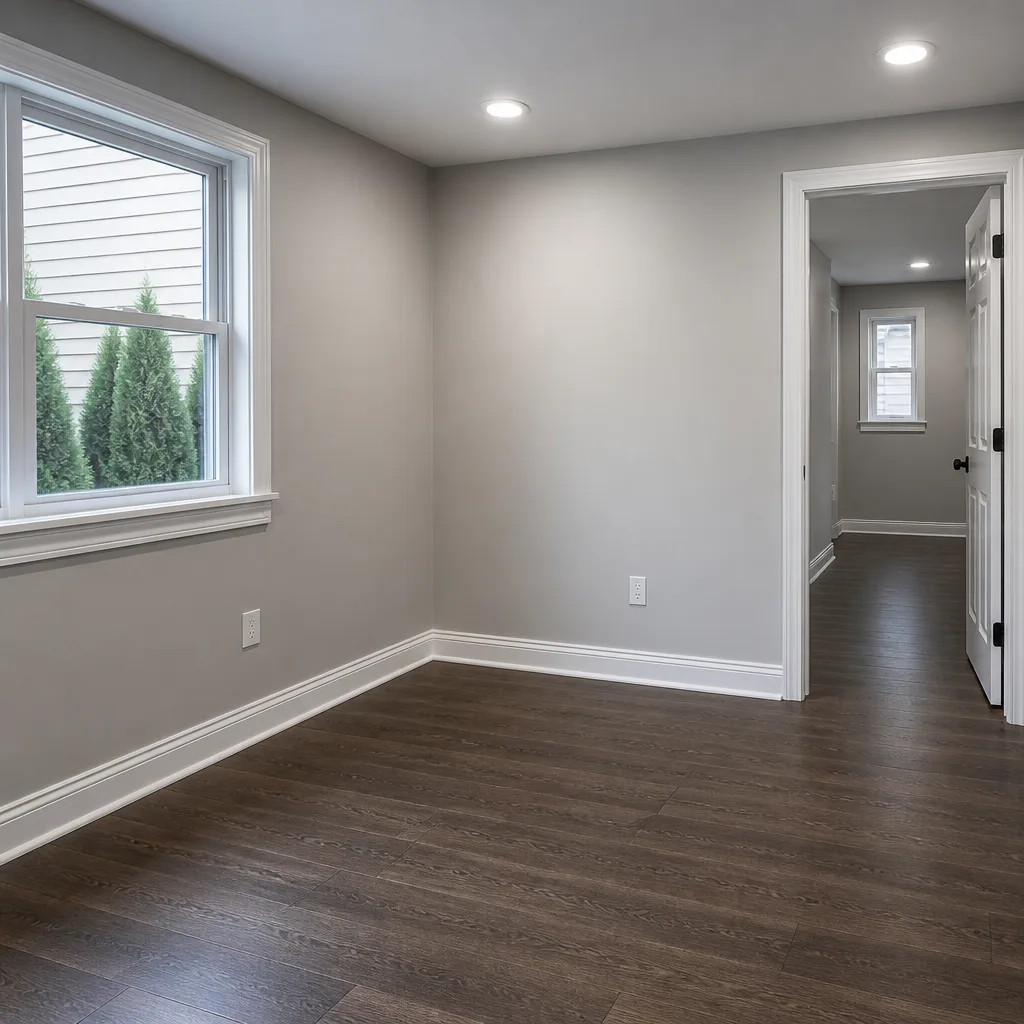 After
AfterDamage Restoration Cost Breakdown: The Glendale Homeowner’s Reference for 2026
Most Glendale homeowners discover what restoration actually costs the hard way: standing in a wet basement at 11 p.m., holding a phone, trying to decide whether the number a stranger just quoted is fair. Here’s the truth that rarely gets said plainly: restoration pricing isn’t a mystery known only to contractors. It follows a logic. Square footage, water class, materials affected, and how many hours passed before extraction started. Once you understand those four variables, every quote you receive becomes readable. This guide walks through real 2026 numbers for Glendale, NY, including what insurance typically covers, where costs hide, and how to avoid paying twice for the same repair.
Quick Answer
Water damage restoration in Glendale, NY typically runs $1,200 to $4,500 for a contained basement or single-room event, while mold remediation averages $1,500 to $6,000 depending on affected surface area, and fire damage restoration starts around $3,000 and can reach $35,000 or more for structural rebuilds. Mitigation, the emergency phase, is always billed separately from reconstruction, and most Glendale homeowners with standard HO-3 policies pay only their deductible when the damage is sudden and accidental.
Table of Contents
- What Actually Drives Restoration Costs in Glendale
- Water Damage Restoration: What Glendale Homeowners Pay in 2026
- Mold Remediation Costs and What Changes the Price
- Fire and Smoke Damage Restoration: The Full Cost Picture
- Sewage Cleanup and Biohazard Work: Costs and Health Considerations
- Insurance and Restoration: Who Pays What, and When
- Common Mistakes to Avoid
- When to Call a Professional
- Frequently Asked Questions
- The Bottom Line
What Actually Drives Restoration Costs in Glendale
Restoration pricing in Glendale follows the same four variables whether you’re dealing with a burst supply line on Myrtle Avenue or a sewage backup on Cooper Avenue. Understand these, and every estimate you read starts to make sense.
Variable one: Category of water. The IICRC classifies water damage in three categories. Category 1 is clean water from a supply line or tub overflow. Category 2 is gray water with some contamination, like washing machine discharge. Category 3 is black water, which includes sewage and ground flooding. Each step up in category adds required PPE, containment, antimicrobial treatment, and disposal costs. A Category 1 basement flood in Glendale might run $1,200 to extract and dry. The same square footage with Category 3 water runs $3,000 to $5,000 because the drywall and baseboard typically get cut out and disposed of rather than dried in place. That’s not an upsell. It’s the difference between drying a material and removing a pathogen source.
Variable two: Time elapsed. Water that sits for 24 hours in a Glendale home’s finished basement has already begun wicking up drywall and into framing. Water that sits for 72 hours has likely begun supporting microbial growth, especially during June through September when Glendale humidity keeps materials damp. Faster response genuinely reduces the scope. A same-day extraction might mean drying equipment for 3 days and a $1,500 total bill. A 4-day delay can turn the same event into a $5,000 demolition and rebuild.
Variable three: Affected materials. Glendale’s housing stock skews older, with many homes built before 1960. That means plaster walls, which are often restorable, but also hardwood floors over uninsulated joist bays, which hold water stubbornly. Tile over concrete dries faster than engineered wood over a subfloor. Carpet and pad in a finished basement usually get replaced entirely, not dried, because the pad is a sponge and the carpet’s backing separates. Expect material-specific line items on any honest estimate.
Variable four: Reconstruction versus mitigation. This is where Glendale homeowners most often feel blindsided. Mitigation is the emergency work: extraction, equipment placement, drying, and antimicrobial application. Reconstruction is the finish work: drywall replacement, trim, paint, flooring. They are billed separately, often by separate crews. At Floodline Restoration Co., the same crew handles both, which is why our estimates show a single number for the whole job, not two invoices that arrive weeks apart.
Water Damage Restoration: What Glendale Homeowners Pay in 2026
Here’s the range we see across Glendale, from Ridgewood border properties up to Juniper Valley Park, based on typical materials and current labor rates.
- Single-room Category 1 extraction and drying (150-300 sq ft): $1,200 – $2,400
- Finished basement, Category 1, including baseboard removal and drying of finished walls: $2,200 – $4,500
- Category 2 laundry overflow with carpet removal and drying: $2,800 – $5,500
- Category 3 sewage backup, including full containment, drywall cut, and disposal: $3,500 – $8,000
- Whole-floor event with structural drying of subfloor and framing: $6,000 – $14,000
- Reconstruction add-on (drywall, trim, paint, flooring per room): $1,800 – $6,000 per room, depending on finish level
These numbers assume a professional crew using commercial-grade equipment like Dri-Eaz dehumidifiers and Phoenix axial air movers, with daily moisture readings until the structure reaches its dry standard. The dry standard matters: it’s a measurable moisture content, not a technician’s opinion. We log it every day and hand the log to the homeowner and the carrier. That’s the documentation that keeps a claim moving and prevents a secondary mold problem two months later.
One Glendale-specific note: older homes with balloon framing, common south of Myrtle Avenue, can develop hidden water channels that run from a top-floor leak down into a first-floor ceiling or basement. When a technician uses a moisture meter and finds water in a wall cavity three rooms over from the visible stain, the drying scope expands. That’s not padding the quote. That’s reading the structure correctly. The same leak in a newer platform-framed home stays more contained.
Mold Remediation Costs and What Changes the Price
Mold remediation in Glendale averages $1,500 to $6,000 for most residential jobs, with a typical single-bathroom or closet job coming in around $2,000 to $3,500 and a full-basement remediation running $6,000 to $12,000. Here’s what drives the number.
Square footage of visible growth. Remediation is priced per affected surface area, typically $15 to $30 per square foot for containment, cleaning, and antimicrobial application. A 100-square-foot closet smells expensive at $1,500 to $3,000 until you understand what’s in that range: containment barriers, negative air machines, HEPA vacuuming, wire brushing or media blasting on framing, antimicrobial treatment, and post-remediation air sampling. A 500-square-foot basement at the same per-foot rate is simply a bigger scope.
What’s behind the wall. Mold you can see is often the smaller part of the problem. Moisture drives into drywall from inside the cavity. In Glendale’s older homes with uninsulated exterior walls, condensation forms against cold masonry and feeds mold on the back side of the sheetrock. A proper assessment includes moisture readings and possibly a cavity inspection, not just a look at the visible patch. When the source of the moisture isn’t corrected, no amount of surface cleaning keeps the mold from returning. That’s why reputable remediators in Glendale require a moisture source assessment before quoting the job. Ours is included.
Testing and post-remediation verification. Pre-remediation testing is not always required. If the visible mold is limited and the moisture source is identified, remediation proceeds without it. Post-remediation verification, either by visual inspection or by air sampling, is where the honest companies distinguish themselves. We run a final air sample on most Glendale mold jobs and provide the lab report in writing. If the counts don’t clear, we do the work again under the 90-Day Done Right Promise, which says exactly that in writing: done right, or made right. No arguing, no paperwork battles.
Fire and Smoke Damage Restoration: The Full Cost Picture
Fire damage restoration is the most variable category because the price hinges on three things: how hot the fire burned, where it burned, and what kind of smoke it produced. In Glendale, a small kitchen grease fire contained to the stove and vent might cost $3,000 to $6,000 for cleaning, ozone treatment, and paint. A room-and-contents fire runs $10,000 to $25,000. A structural fire requiring partial rebuild reaches $35,000 to $75,000 or beyond, depending on framing damage and finish level.
Smoke type matters. Wet smoke from smoldering synthetic materials leaves a sticky, acrid residue that requires aggressive cleaning and often sealing of surfaces before repainting. Dry smoke from fast-burning natural materials is lighter and easier to clean. Protein smoke from a kitchen fire is nearly invisible but bonds to paint and cabinets in a way that requires specialized degreasing and sealing. Glendale’s attached rowhouses, common along 69th Place and 74th Street, share wall cavities, which means smoke can travel into a neighboring cavity even when fire does not. That’s a local detail the national chains don’t plan for and a reason to hire a company that works this ZIP code every week.
Contents restoration. Soft goods, clothing, furniture, and electronics absorb smoke odor. Restoration involves either cleaning or replacement. Cleaning costs less but requires specialized equipment: ozone chambers, ultrasonic cleaning machines, and controlled drying. Replacement costs more but is sometimes the only option for melted or structurally damaged items. A thorough estimator inventories everything and assigns each item a restoration or replacement designation, which your adjuster uses to settle the contents portion of the claim. We photograph and inventory everything on day one, before anything moves, so the claim record is built from facts, not memory.
Sewage Cleanup and Biohazard Work: Costs and Health Considerations
Sewage cleanup in Glendale runs $3,500 to $8,000 for a typical basement backup and $8,000 to $20,000 when the event involves extensive finished-space demolition. The range is wide because the scope depends on where the sewage reached and what it touched. Sewage is Category 3 water, which means every porous material it contacts typically gets removed and disposed of, not cleaned in place. Drywall, insulation, carpet, pad, and exposed fabric all go. Non-porous surfaces like concrete, tile, and sealed wood can be cleaned and disinfected.
Health is the operative word here. Sewage contains bacteria, viruses, and parasites that cause serious illness. Anyone entering the affected area should wear PPE including eye protection, gloves, and a respirator, and homeowners should stay out entirely until containment is up. This is not a mop-and-bleach job. Bleach doesn’t penetrate porous materials, and a wet-vac spewing aerosolized sewage particles into the air of a Glendale basement makes the problem airborne. Professional sewage cleanup involves containment barriers, negative air pressure, professional-grade extraction with a HEPA-filtered unit, antimicrobial treatment, and disposal according to local waste regulations. Floodline Restoration Co. does this work with background-checked, uniformed technicians trained to IICRC and RIA standards, and the crew shows up with the equipment on the first visit, not on a follow-up appointment.
Biohazard and crime scene cleanup is a related but separate service with its own costs, typically $2,000 to $10,000 depending on the extent of the trauma and the surfaces involved. New York State has specific regulations governing the handling and disposal of biohazardous waste, and homeowners deserve a company that follows them without being asked. We’ve been doing that in Glendale since 2010.
Insurance and Restoration: Who Pays What, and When
Most Glendale homeowners with a standard HO-3 policy are covered for sudden and accidental water damage, fire and smoke damage, wind and storm damage, and often sewage backup if a specific endorsement is on the policy. Here’s how the process works, step by step.
- Mitigation first, approval second. In New York, the carrier expects the homeowner to mitigate further damage immediately, which means calling a restoration company the moment the event is discovered. You don’t wait for an adjuster to show up before extracting water. The policy’s “duty to mitigate” clause means the homeowner is required to prevent additional damage, and the carrier reimburses reasonable mitigation costs.
- Documentation defines the settlement. Every restoration decision gets recorded: moisture readings, temperature, humidity, before and after photos, equipment placement logs, and daily drying progress. This is the record that determines what the carrier pays. A company that hands the homeowner a proper moisture log and photo file has already done half the claims work.
- Adjuster review and scope agreement. The adjuster reviews the mitigation record and agrees to a reconstruction scope. This is where written estimates with line-item detail matter. Vague “repair as needed” language creates disputes. A written scope, agreed before work starts, prevents them.
- Deductible payment. The homeowner pays the deductible, typically $500 to $2,500 depending on the policy. The carrier pays the balance directly to the contractor. At Floodline Restoration Co., we bill the carrier directly, so the homeowner never carries the full balance waiting for reimbursement.
- Reconstruction completion and final invoice. The contractor completes reconstruction, submits the final invoice with documentation, and the carrier releases payment. A company that handles both mitigation and reconstruction, as Floodline does, submits one package with one narrative, which the adjuster processes faster than two separate claims from two different contractors.
One point worth stating: insurance covers restoration when the damage is sudden and accidental. Long-term seepage, neglect, and pre-existing mold are generally excluded. If you’ve been ignoring a damp corner in a Glendale basement for two winters, the resulting mold remediation is typically a homeowner expense. That’s not the carrier being difficult. That’s policy language, and your adjuster will follow it. Knowing the difference changes how quickly you act when something fails.
Common Mistakes to Avoid
- Waiting to call. Every hour water sits in a Glendale home, the restoration scope grows. What starts as a $1,500 extraction and drying job becomes a $5,000 demolition and rebuild after 72 hours. Call first, ask questions later. A live person answers at Floodline Restoration Co. 24 hours a day, every day, including holidays.
- Choosing a contractor from a national aggregator without local verification. Glendale has specific building age and material characteristics. A company that flies in from out of state doesn’t know that the rowhouse on 75th Street shares a wall cavity with its neighbor, and that changes how smoke and water move. Hire local, and verify the company’s Glendale track record before signing.
- Accepting a quote without a written scope. An estimate that says “water damage repair” with one number attached is impossible to compare and difficult to enforce. Demand line items: extraction, demolition, drying days, equipment count, antimicrobial application, rebuild materials. A company that won’t write the scope won’t stand behind it.
- Letting the restoration crew stop at “looks dry.” A surface can feel dry while the framing inside a Glendale wall cavity holds 30% moisture. The dry standard is a number, not a touch test. Demand daily moisture readings and a final log. That’s the document that proves the job was done and protects you if mold appears later.
- Paying the full bill upfront before work starts in Glendale. A reasonable deposit is standard practice, often 10% to 30%, but a demand for 50% or more before any work begins is a red flag. The restoration industry in New York operates on documented milestones, and the carrier’s payment schedule follows the work, not a promise.
- Treating mold as a cleaning problem rather than a moisture problem. Killing visible mold without fixing the moisture source guarantees recurrence. In Glendale basements, the source is often a below-grade crack in the foundation wall, a failed perimeter drain, or an improperly vented dryer, not the mold itself. The remediation is only half the job. The source correction is the other half.
- Throwing away damaged items before the adjuster documents them. Everything you discard reduces the contents portion of your claim. Let the restoration company inventory and photograph everything before disposal. At Floodline, we do this on day one as standard practice, so no Glendale homeowner loses claim value because they tried to help by cleaning up.
When to Call a Professional
Call a professional the moment you discover water where it shouldn’t be, smell mold you can’t locate, or see smoke staining that extends beyond the immediate fire area. Three scenarios specifically demand immediate professional response in Glendale: a sewage backup, because health risk begins immediately; a supply line break behind a wall or above a ceiling, because hidden water moves fast through old framing; and any fire event, because smoke damage deepens by the hour as soot bonds to surfaces. A professional assessment costs nothing when the company offers free estimates and, more importantly, tells you whether the problem is urgent or manageable. Floodline Restoration Co. offers free estimates in Glendale, and a live dispatcher answers at (845) 482-0653 any hour of any day. We’d rather tell you the scope is small than have you discover in two months that it wasn’t.
Frequently Asked Questions
Water damage restoration in Glendale typically costs $1,200 to $4,500 for a contained single-room or basement event, with Category 3 sewage water pushing the range to $3,500 to $8,000 or more when finished spaces require demolition. The final number depends on the water category, square footage affected, materials involved, and how quickly extraction begins. Call (845) 482-0653 for a free assessment that puts real numbers on your specific situation.
Homeowners insurance covers sudden and accidental water damage, such as a burst pipe or appliance overflow, but it excludes long-term seepage, neglect, and pre-existing mold. Most Glendale HO-3 policies include dwelling coverage that pays for mitigation and reconstruction minus your deductible, and Floodline Restoration Co. bills your carrier directly so you don’t float the full amount while waiting for reimbursement.
A Floodline Restoration Co. crew reaches most Glendale homes the same visit, because a live person answers our phone 24 hours a day and dispatch operates around the clock. Extraction running the same visit means less water wicks into drywall and framing, which directly reduces the final cost and the length of drying time.
Mitigation is the emergency phase: extracting water, removing unsalvageable materials, placing drying equipment, and treating affected surfaces. Reconstruction is the finish work: replacing drywall, trim, flooring, and paint. Many companies do one or the other and hand you two invoices and two crews. Floodline Restoration Co. does both with the same certified crew, so the estimate shows one number and the job has one accountable name.
Mold remediation in Glendale averages $1,500 to $6,000, with most bathroom or closet jobs landing between $2,000 and $3,500 and full basement remediations running $6,000 to $12,000. The price per square foot of affected surface area typically falls between $15 and $30, including containment, HEPA cleaning, antimicrobial treatment, and verification.
For most water and mold restoration jobs in Glendale, yes, with affected areas sealed off by containment barriers. Fire damage with severe smoke odor and sewage backups are the exceptions where temporary relocation is sometimes necessary, and your insurance policy’s loss-of-use coverage may pay for it. The restoration company should tell you plainly whether the home is safe to occupy, and ours does, always.
The Bottom Line
Restoration is the one home repair you can’t shop at leisure, but you also can’t afford to choose badly. The cost ranges in this guide are real Glendale numbers, grounded in the materials and housing stock of this specific ZIP code, and they should serve as your reference point when the emergency comes. The most expensive restoration is the one done twice: the water not fully dried, the mold not fully remediated, the smoke not fully sealed. The cheapest isn’t the lowest bid. It’s the job done right the first time by a company that stands behind the work in writing, with a 90-day guarantee that has no fine print and no argument. That’s how Floodline Restoration Co. has worked in Glendale since 2010, and that’s how we’ll work tomorrow. Call (845) 482-0653 and a live person answers, day or night.
Written by Curt Bowman, Owner at Floodline Restoration Co., serving Glendale since 2010.