
Last updated August 25, 2026
Free visual inspection and a written scope of work before any mitigation begins - photos, moisture readings, and drying logs go in your claim file
The scope we write is the scope we bill. Anything new gets shown to you, in writing, before we touch it.
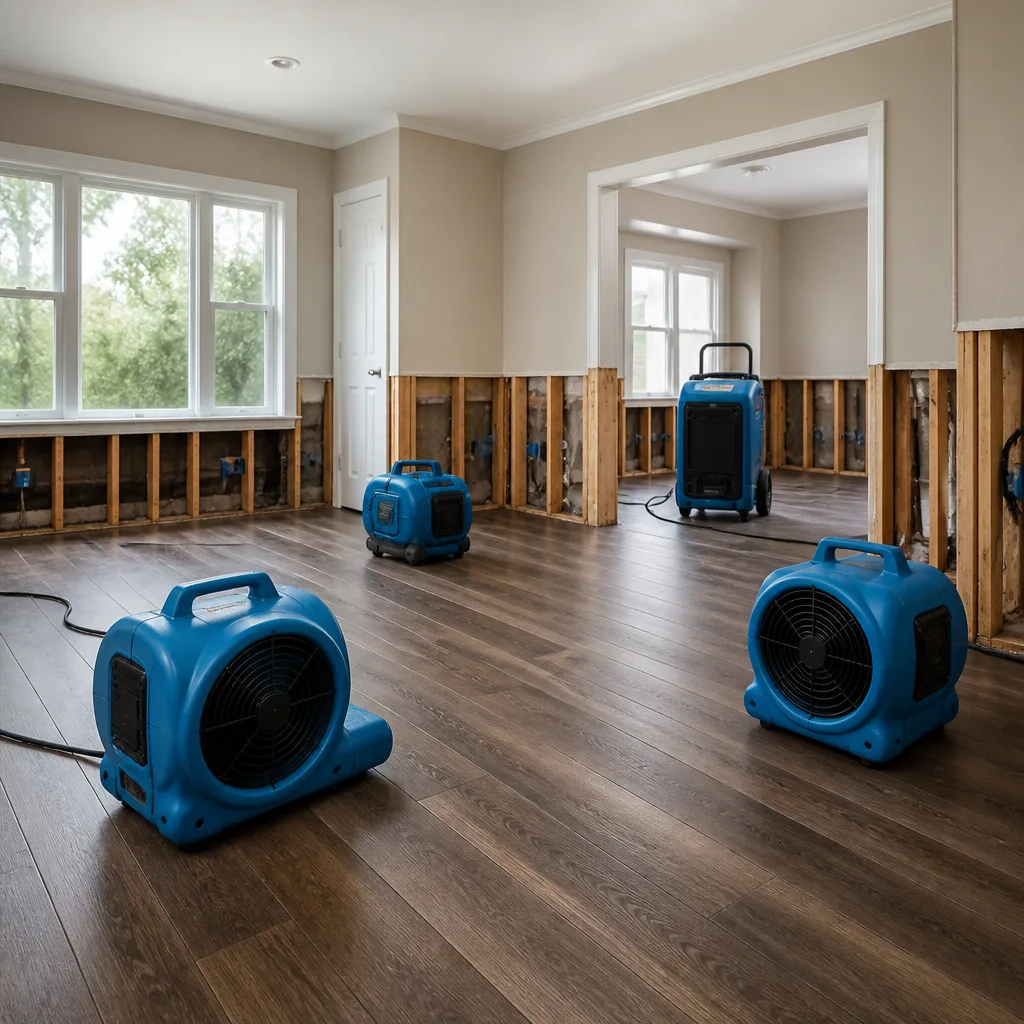
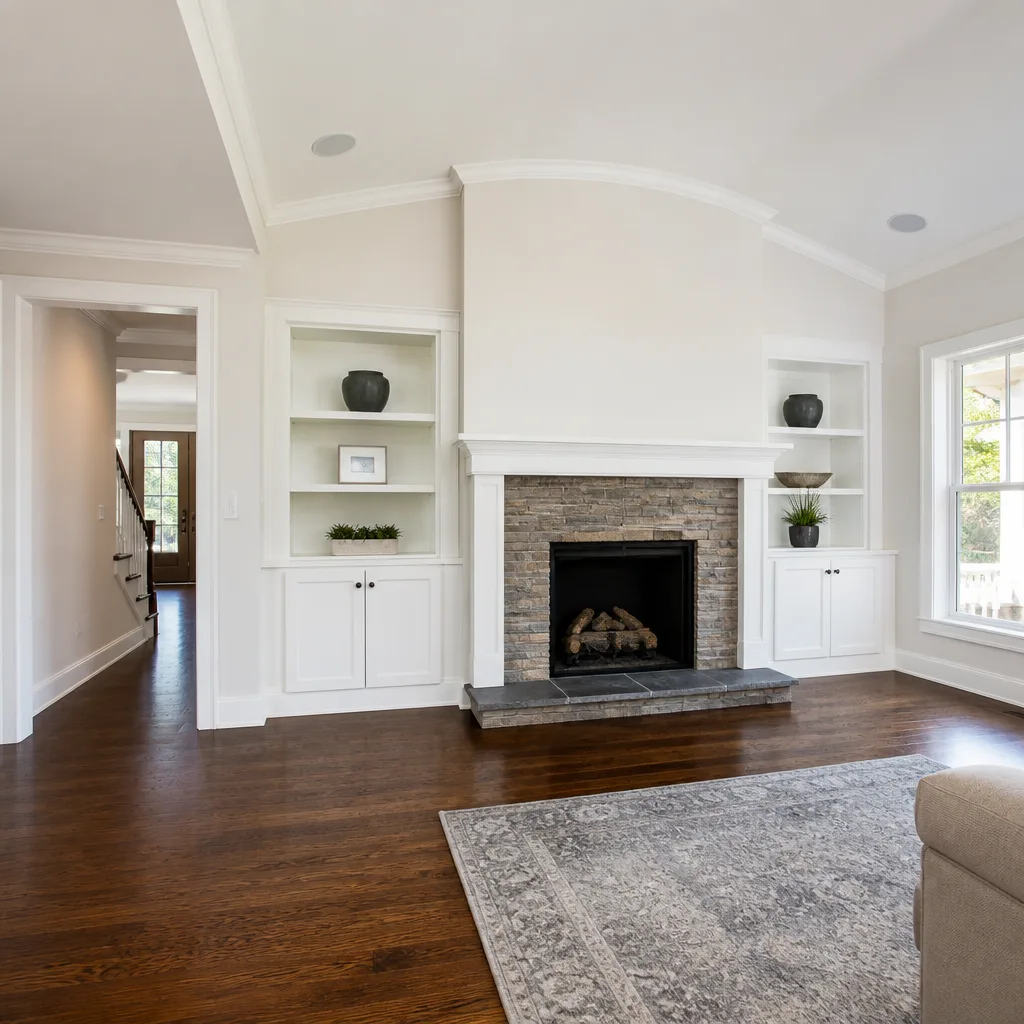
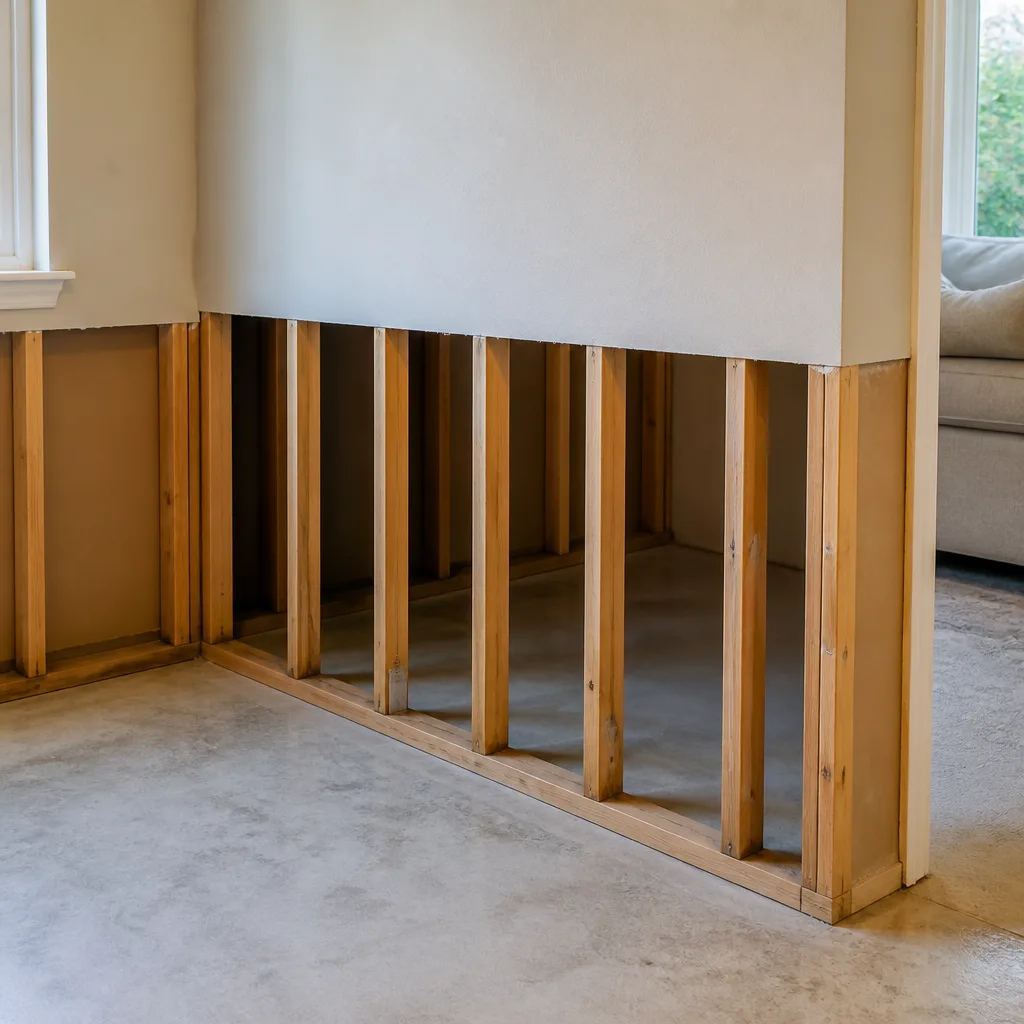
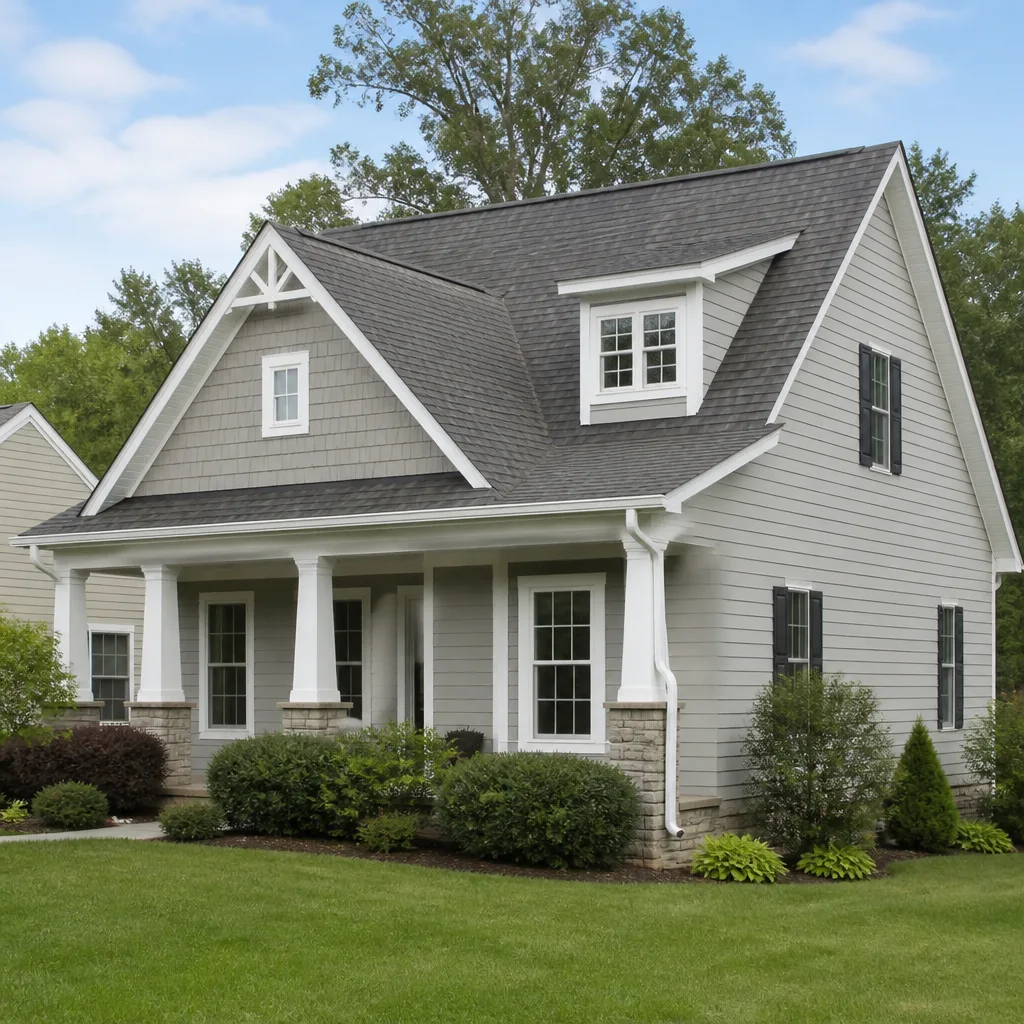
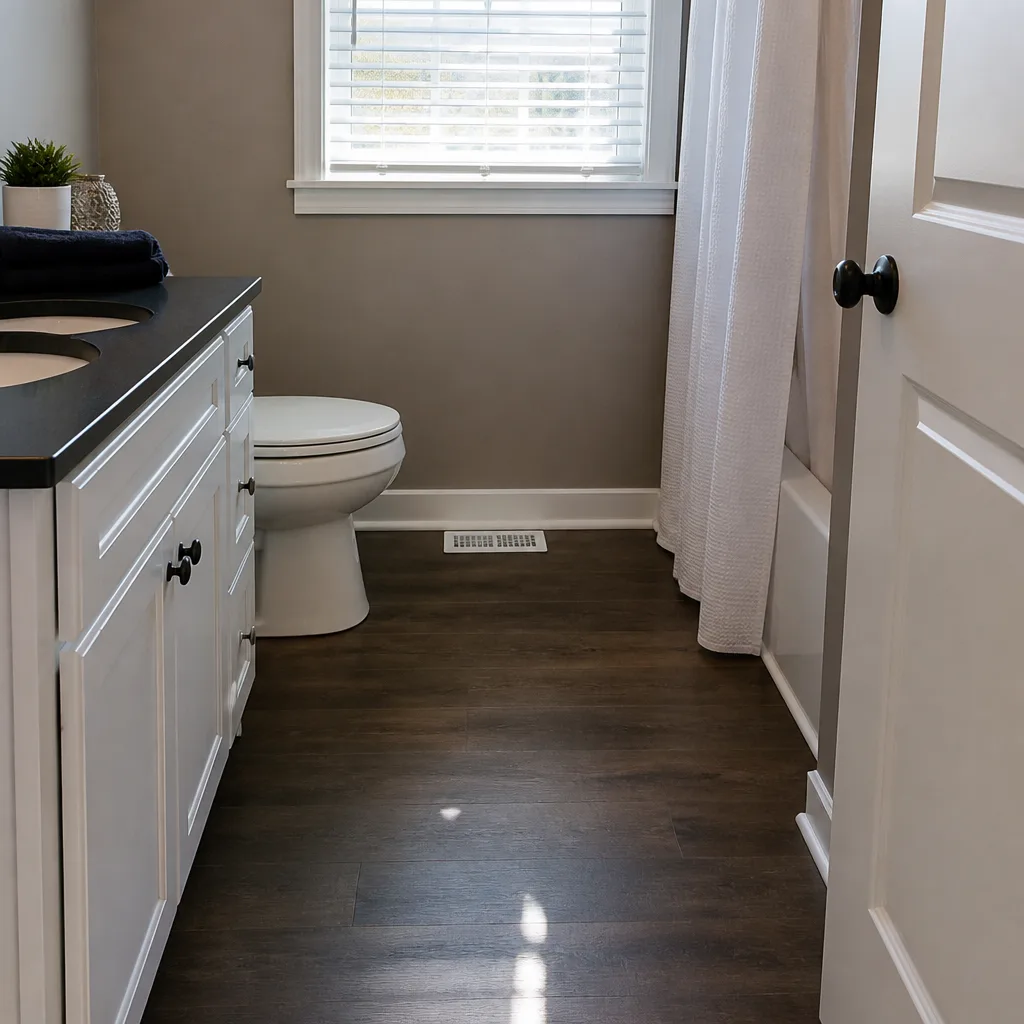
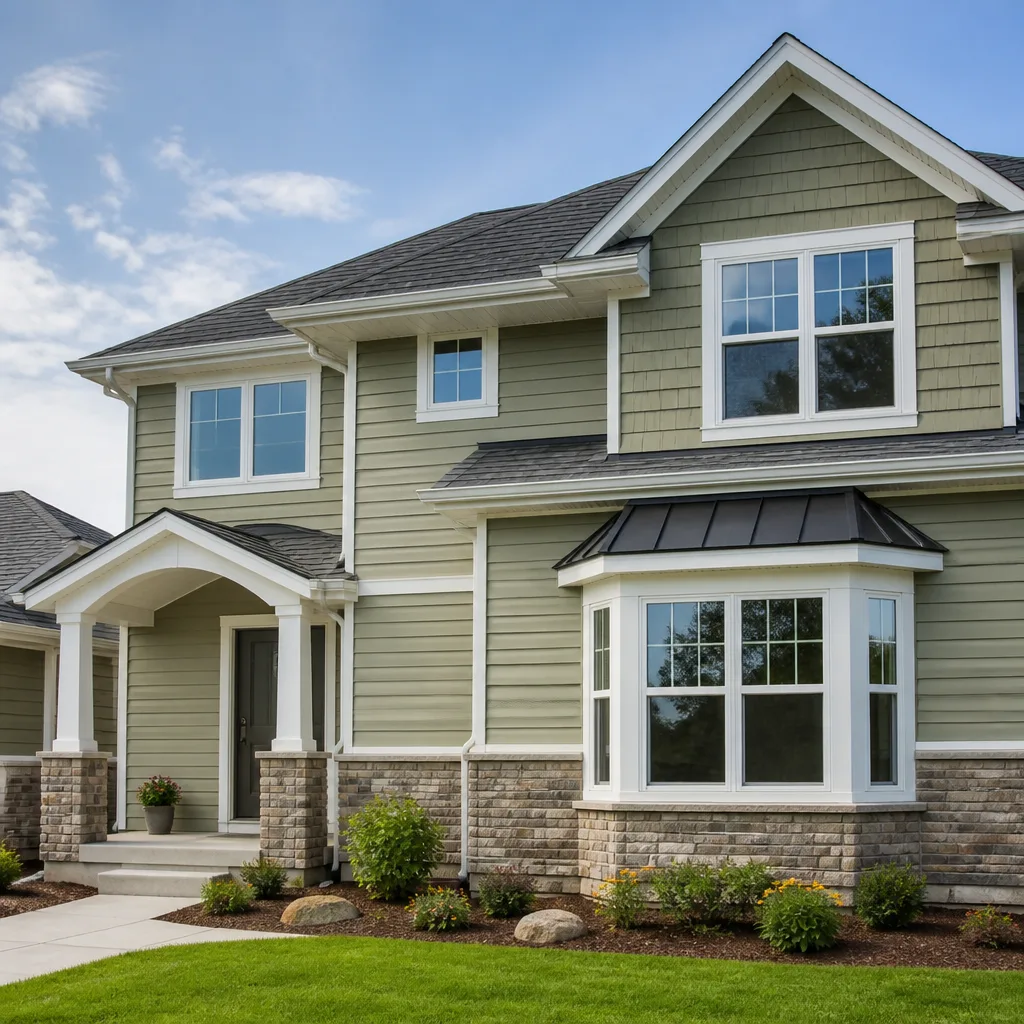
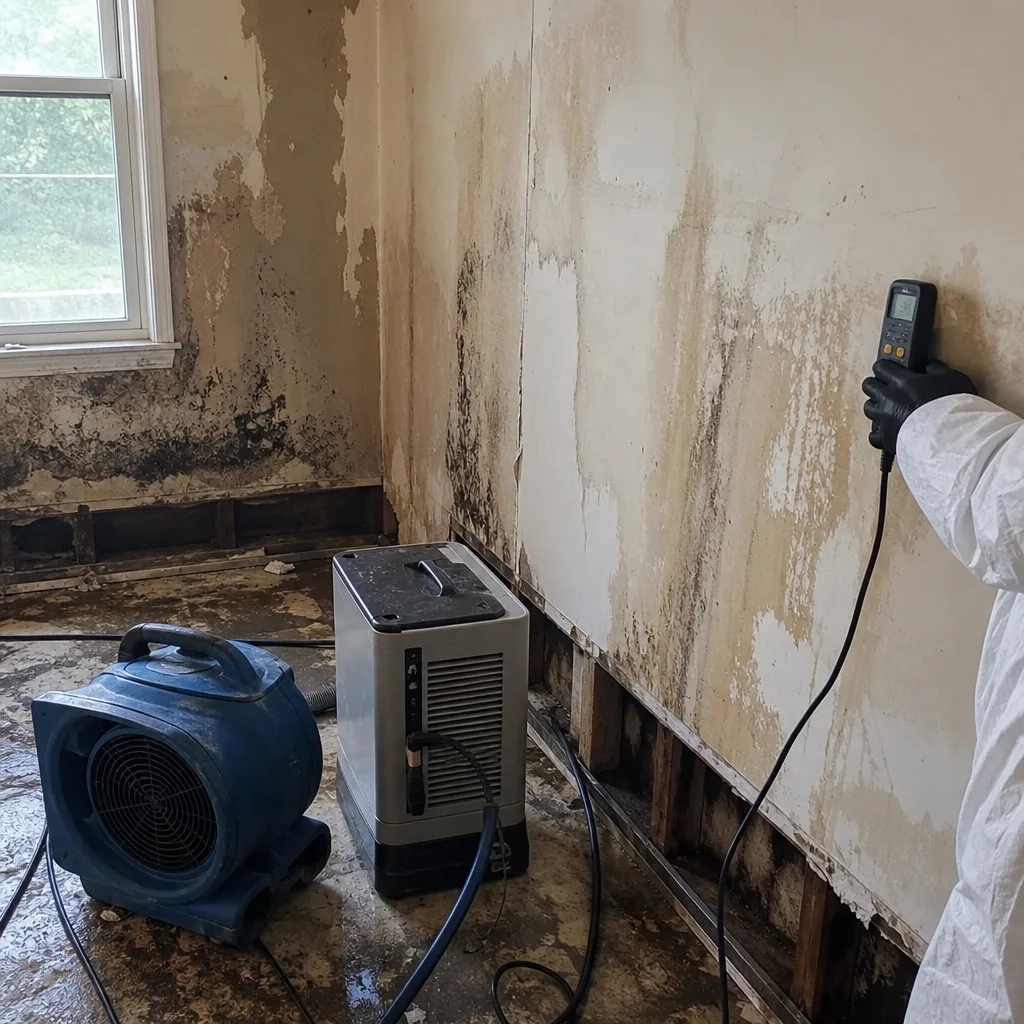 Before
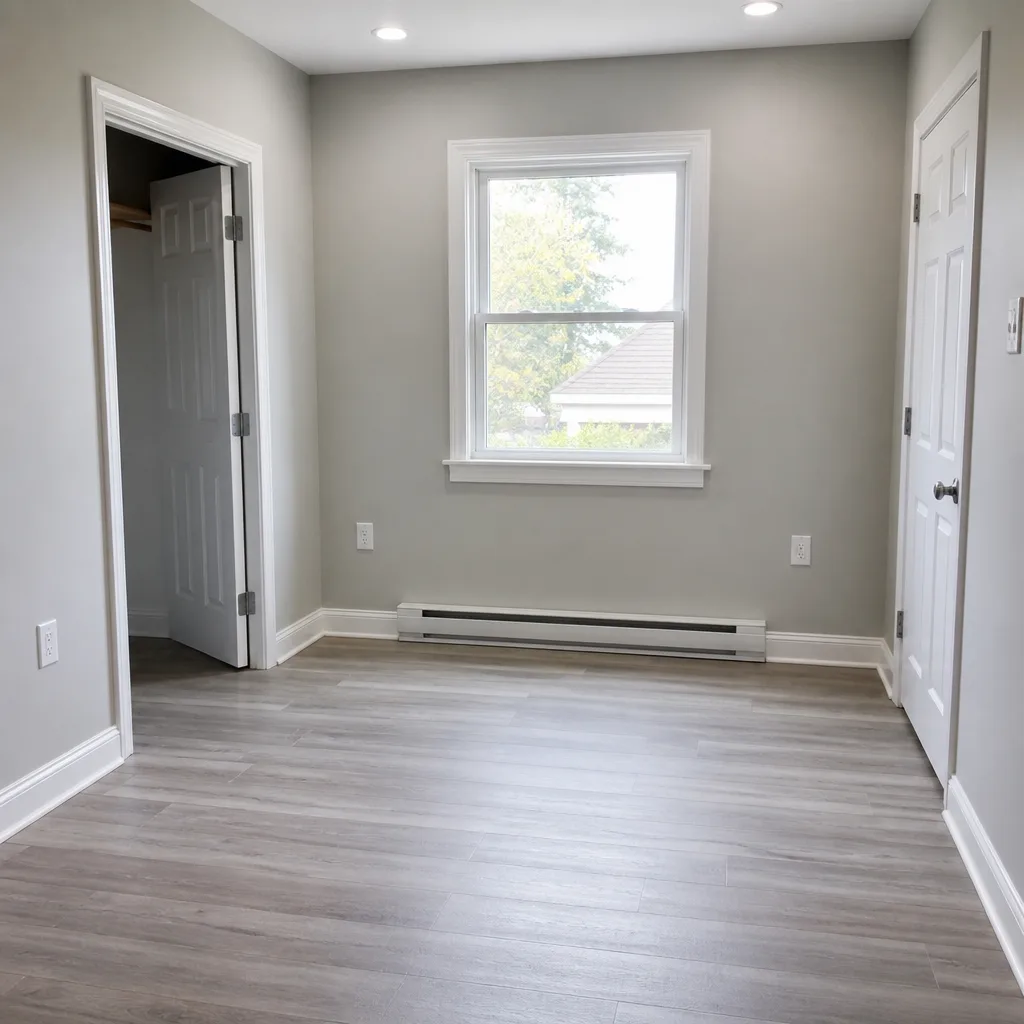 After
After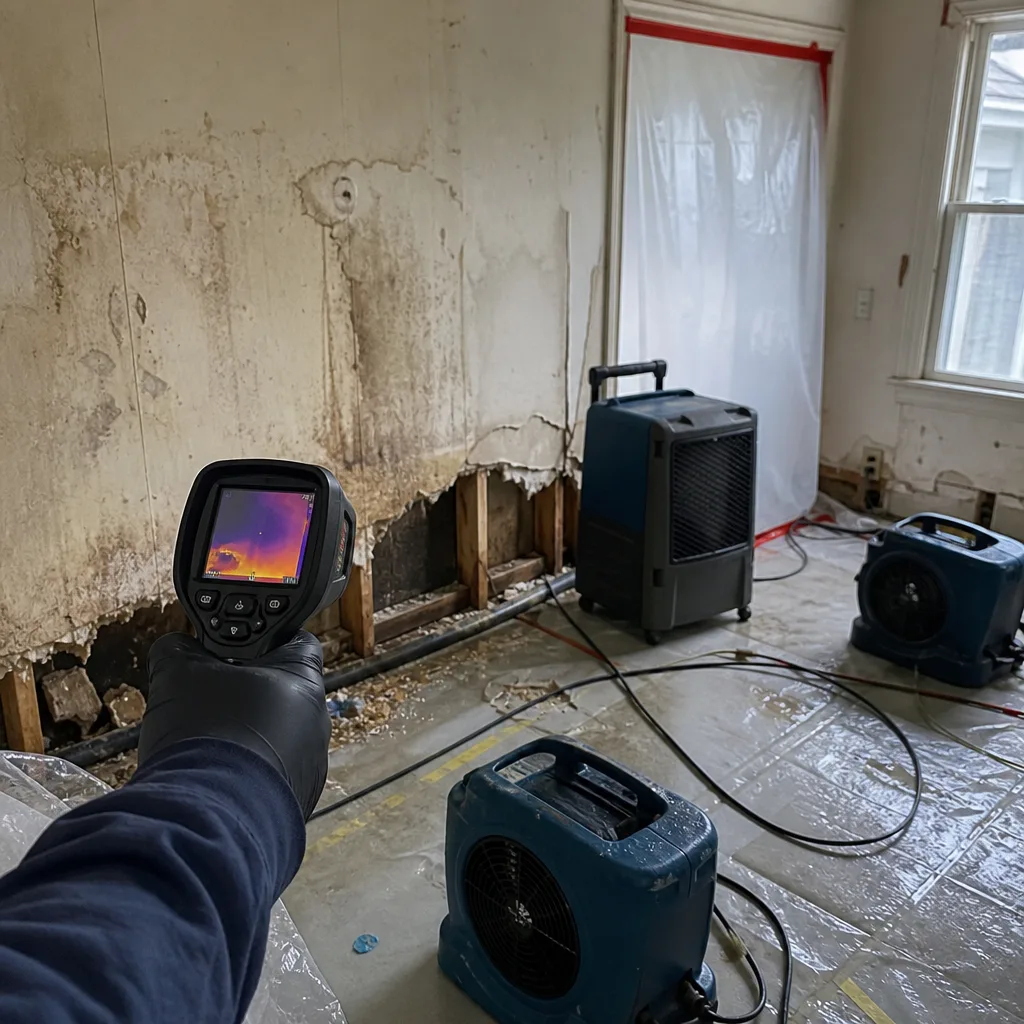 Before
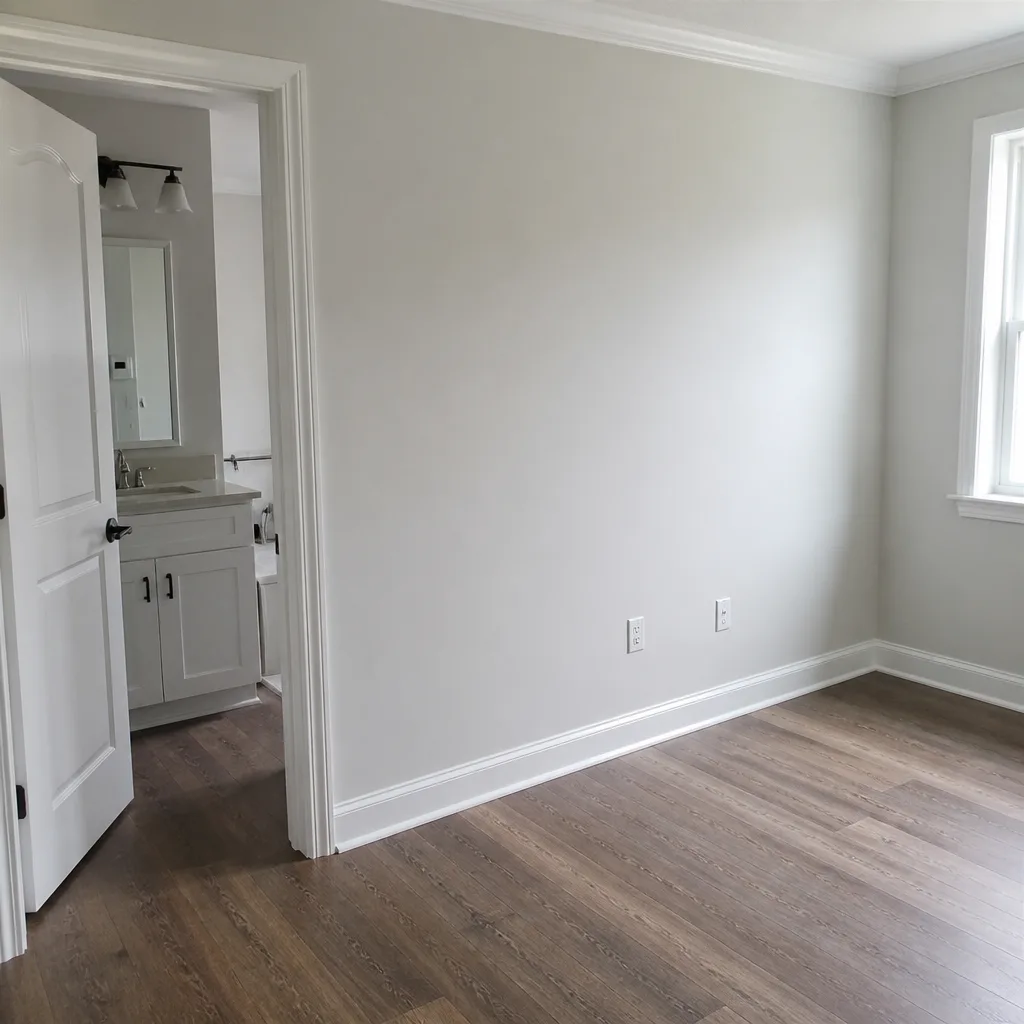 After
After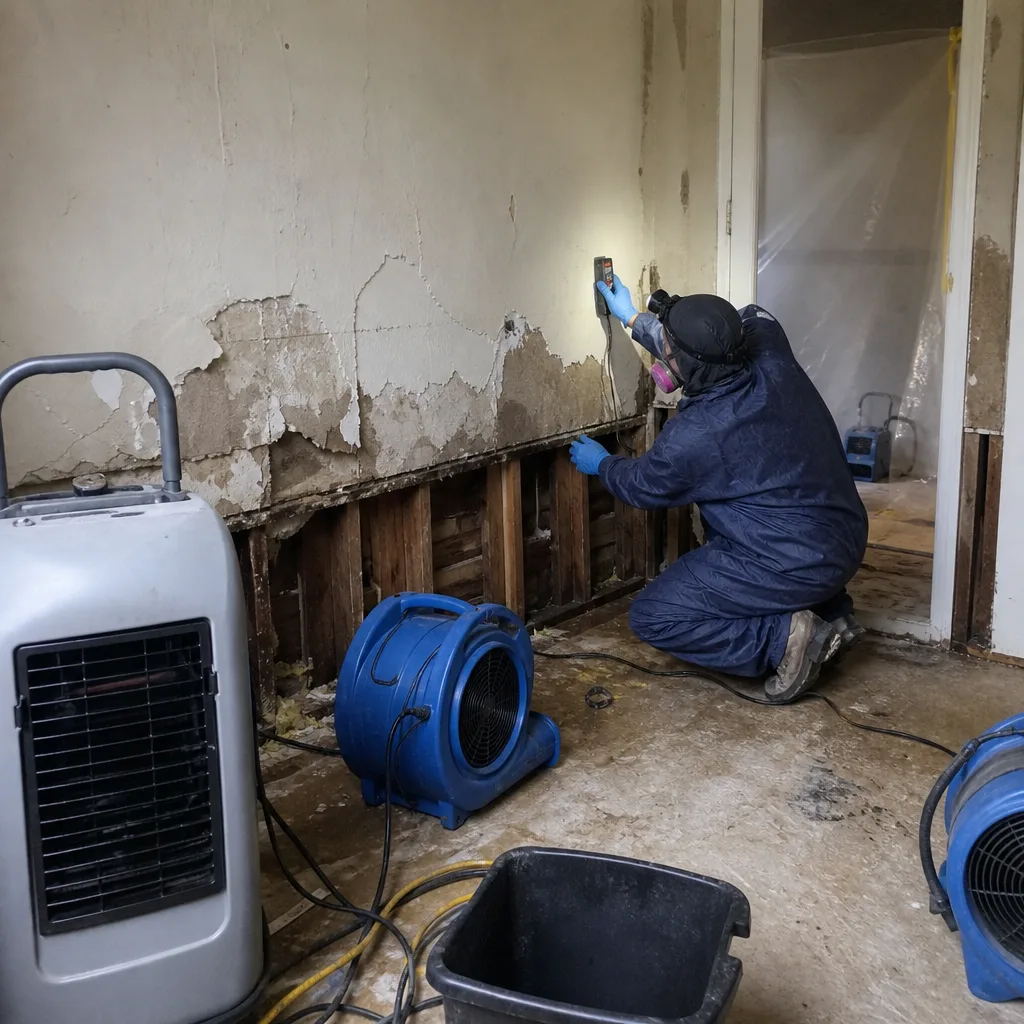 Before
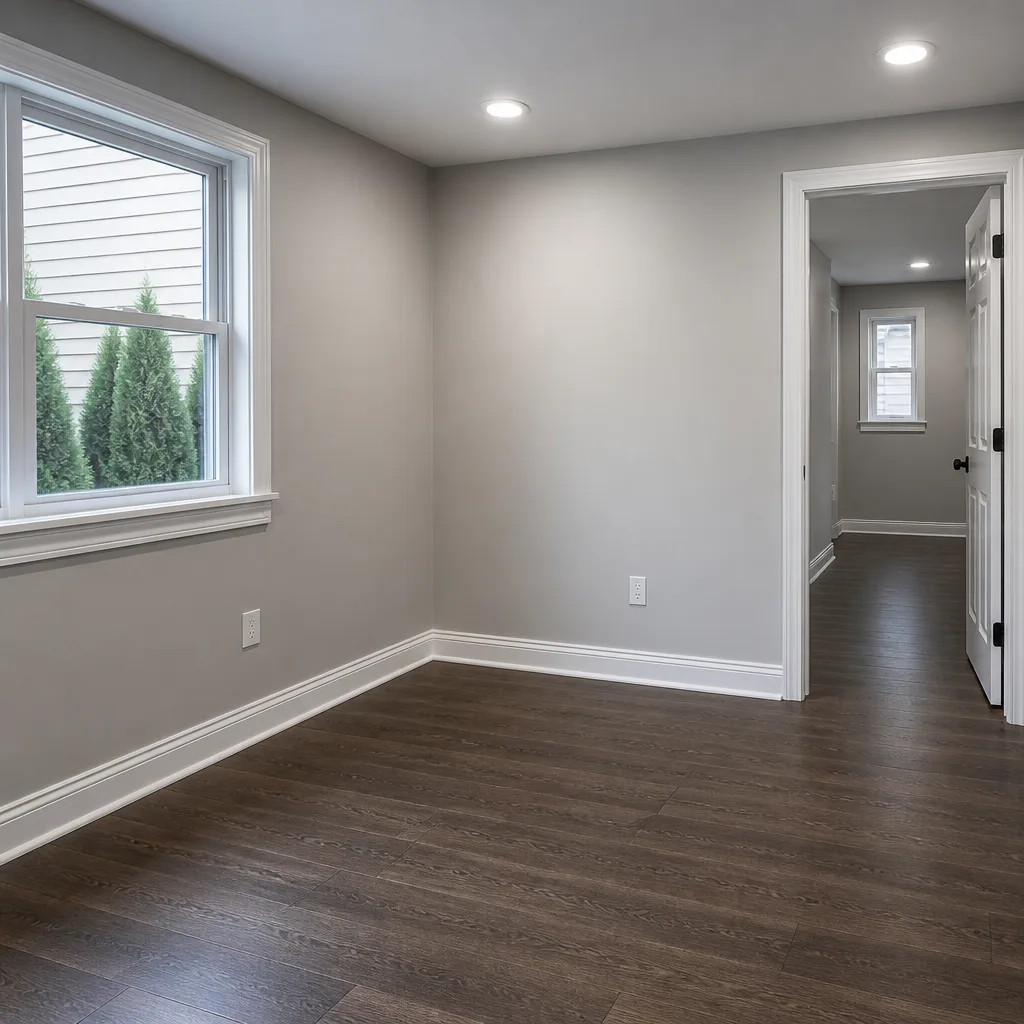 After
AfterThe Complete Guide to Damage Restoration in Glendale
Most homeowners in Glendale, NY discover their damage problem at the worst possible moment: a pipe lets go at 3 a.m., a sump pump quits during a March nor’easter, or a bathroom fan has been silently feeding mold into a wall cavity for two years. The National Flood Insurance Program reports that just one inch of water in a home causes about $25,000 in damage, and homes in Queens face a particular set of pressures: older plumbing, tight lot lines that channel groundwater toward foundations, and humidity that never quite leaves from June through September. This guide walks through every major category of damage restoration in Glendale, what it realistically costs, how the process works, and when a homeowner can handle a small problem versus when a certified crew needs to be on site within hours.
Quick Answer
Damage restoration in Glendale covers water extraction, structural drying, mold remediation, fire and smoke cleanup, sewage removal, and full reconstruction after the damage is controlled. The process starts with an emergency response to stop the source, then moves through assessment, mitigation, drying or cleaning, and finally repair or rebuild. The single most important factor in controlling cost and protecting your home is speed: water and smoke damage compound by the hour, and a Glendale homeowner who gets extraction running the same day consistently avoids the secondary damage (mold, warped framing, soaked insulation) that turns a $3,000 job into a $28,000 one.
Table of Contents
- Water Damage Restoration
- Mold Remediation
- Fire & Smoke Damage Restoration
- Sewage Cleanup
- Storm & Disaster Restoration
- Reconstruction & Cleanup
- What Does Restoration Cost in Glendale?
- Common Mistakes to Avoid
- When to Call a Professional
- Frequently Asked Questions
Water Damage Restoration
Water damage is the most common emergency we see in Glendale, and it rarely announces itself politely. Supply lines under sinks fail, water heaters rust through, washing machine hoses split, and older galvanized pipes in prewar homes simply give out. The first 48 hours determine almost everything about the final bill: standing water saturates drywall, wicks up into baseboards and framing, swells hardwood, and creates the conditions where mold can establish itself behind walls where you cannot see it.
The restoration process follows a consistent sequence:
- Stop the source. Shut off the water at the fixture or the main. If you can’t locate the main quickly, don’t wait: call a plumber or a restoration company that dispatches immediately.
- Extract standing water. Professional-grade extraction removes hundreds of gallons in minutes, not hours. Residential shop vacs cannot keep up with a burst pipe or flooded basement.
- Map the moisture. Technicians use moisture meters and thermal imaging to trace how far water has traveled into walls, under flooring, and through ceiling cavities. The line the water left is where we start.
- Set drying equipment. Air movers and dehumidifiers are placed to create airflow across every wet surface. Equipment placement is specific: it follows the moisture map, not a one-size-fits-all pattern.
- Monitor daily. Readings are logged every day until materials hit the dry standard. The log goes to you and your carrier, in writing.
- Rebuild what needs rebuilding. Drywall that stays wet too long comes out. Insulation that wicked water gets replaced. Flooring is assessed for salvage or replacement.
A common mistake in Glendale basements is assuming a finished basement can dry in place. Finished basements trap moisture behind drywall and under vinyl or laminate flooring, and many homeowners discover six months later that the musty smell never left. The moisture map tells the truth about what can be saved and what cannot.
Mold Remediation
Mold is a moisture problem wearing a disguise. The mold itself can be cleaned, treated, or removed, but if the moisture source is not eliminated, it returns. In Glendale, we see mold most often in bathrooms with inadequate ventilation, basements with perimeter seepage, crawlspaces with no vapor barrier, and anywhere a small leak has gone unnoticed inside a wall cavity.
Remediation is not the same as cleaning. A proper mold remediation follows IICRC standards and includes containment, negative air pressure, HEPA filtration, and removal or treatment of affected materials. When a technician tells you they can “just spray it,” they are skipping the containment step, which is the step that keeps mold spores from spreading through the house during the work.
The process we follow:
- Find the source. Moisture mapping and inspection determine where the water is coming from and how far the mold has traveled.
- Contain the area. Plastic sheeting and negative air pressure keep mold contained to the work zone.
- Remove affected materials. Drywall, insulation, carpet, and any porous material that is mold-saturated comes out and is bagged for disposal.
- Clean and treat surfaces. Remaining structural surfaces are cleaned, sanded where possible, and treated with antimicrobial agents.
- Dry to standard. The area is dried completely before any rebuilding begins.
- Verify. Final mold testing confirms the air in the work area matches the air outside the work area.
Mold in a Glendale bathroom vented into an attic is a particularly common finding. The fan box leaks conditioned air into the attic in winter, condensation forms, and a bloom starts on the underside of the sheathing. We see it in homes across the neighborhood, from the prewar houses near Myrtle Avenue to the 1950s capes closer to Forest Park. If you can smell mold but cannot see it, the problem is in a wall or ceiling cavity, and that is a job for a professional crew with the right equipment and containment.
Fire & Smoke Damage Restoration
Fire damage is not just what burned. Smoke, soot, and water from the fire department’s response spread through the entire house, and the damage compounds quickly. Soot is corrosive: it etches glass, stains painted surfaces permanently if not addressed within days, and penetrates soft goods down to the weave.
Smoke odor is a chemistry problem, not a deodorizer problem. Ozone and hydroxyl generators can break down the molecules that carry odor, but the soot layer must be physically removed first. If you skip the cleaning and only run ozone, the odor returns. A proper fire restoration includes structural cleaning, content cleaning, odor treatment, and then repair or replacement of what burned.
In Glendale’s attached homes, fire damage inside one house can transmit smoke odor into a shared wall, and your neighbor’s insurance carrier becomes part of the conversation. We regularly coordinate with both carriers on attached-home fires, handle the documentation, and keep the rebuild moving.
The sequence for fire and smoke restoration:
- Board-up and emergency mitigation. Secure the property against weather and entry.
- Water extraction from firefighting. Fire response can put hundreds of gallons into a home.
- Soot cleaning. Every surface in the affected path is cleaned with appropriate methods, from dry sponge on drywall to ultrasonic cleaning for contents.
- Odor treatment. Hydroxyl or ozone treatment breaks down odor molecules after soot removal.
- Structural repair. Framing, drywall, electrical, and finish work restore the home.
Never try to wash soot off a wall with water and a sponge. The moisture drives soot deeper into the paint. Dry cleaning with a chemical sponge is the correct first pass, and everything after that depends on surface type and the severity of the fire.
Sewage Cleanup
Sewage cleanup is the category with real health stakes. The water is not just wet: it carries bacteria, viruses, and parasites, and it is classified as a Category 3 water loss under IICRC standards. Category 3 water includes sewage backup, toilet overflow that travels beyond the bathroom, and flood water from outside that has picked up contaminants. When a Glendale home takes sewage backup into a finished basement, the materials that absorbed it have to go.
There is no drying-in-place for sewage. Carpet, pad, drywall, insulation, and anything porous that was saturated must be removed and bagged. Hard surfaces can be cleaned and disinfected, but any material with a porous structure that absorbed the water is a liability: the bacteria remain even after the surface dries.
What a proper sewage cleanup includes:
- Full PPE for the crew treating the area: respirators, disposable suits, gloves, and boots
- Extraction of contaminated water with professional equipment
- Removal of saturated porous materials, bagged and disposed of as contaminated waste
- Cleaning of hard surfaces with appropriate antimicrobial products
- Drying of the remaining structure to dry standard, with daily moisture logs
- Verification that the area meets post-remediation cleanliness standards before restoration begins
A sewage backup in a Glendale basement is also often a signal of a larger problem: a collapsed sewer lateral, roots in the line, or a city main backing up during heavy rain. The cleanup is the first step, but the cause needs to be found and fixed, or the same basement will fill again.
We’ve extracted sewage from basements all over Glendale, and the homeowners who call first are the ones who lose the least. Every hour of delay means more material saturated past the point of saving.
Storm & Disaster Restoration
Glendale sits in a bowl between Forest Park and the cemeteries, and when heavy rain comes through, the storm drains on the low streets can back up. Homeowners on streets where water historically pools know the drill: the rain comes faster than the drains, the water finds the stairwell or the driveway, and the basement takes water.
Storm damage restoration is water damage restoration with a time problem. The water arrived fast, it arrived everywhere along a street at once, and every restoration company in Queens is booked by mid-morning. That is why we run live dispatch around the clock: when a Glendale homeowner calls at the first sign of water, a crew can be there before the water has finished rising.
Storm water is usually Category 2 or Category 3 depending on what it has picked up, and it should be treated as contaminated. The same rules apply: extract, remove saturated porous materials, treat what remains, dry to standard, and document everything for the carrier.
Steps that help before the water arrives:
- Know where your main water shutoff is, and make sure the valve actually turns
- Keep drain traps filled in floor drains so sewer gas does not enter during heavy rain
- Check the sump pump: plug it directly into a GFCI outlet, not an extension cord, and consider a battery backup
- Grade the soil away from the foundation so surface water routes away from the house
- Clear window wells and stairwell drains before a storm is forecast
After the water recedes, document everything. Photos of the water line on every wall, photos of saturated materials, photos of standing water before it is extracted. Your adjuster will want them, and they help.
Reconstruction & Cleanup
The phase that separates full-cycle restoration from mitigation-only companies is the rebuild. Many restoration companies in Glendale stop at the drying: they hand you a moisture log, collect payment, and leave you to find a contractor to put it back together. The person who did the extraction has all the knowledge about what was wet and where, and the homeowner who changes companies at the dry-out stage loses that knowledge.
Reconstruction after water, fire, or mold damage includes:
- Framing repairs where wood was removed due to saturation or burn damage
- Drywall replacement, taping, and finishing
- Insulation replacement in cavities that were dried or removed
- Flooring installation: hardwood, tile, carpet, or vinyl, depending on the room
- Trim, baseboard, door, and cabinet reinstallation
- Paint, primer, and finish work
- Final cleaning and debris removal
The insurance side matters here. Direct insurance billing means the carrier pays Floodline Restoration Co. directly for covered work, and the homeowner is not chasing reimbursement. The scope of work is written before any work starts, priced in writing, and agreed to by you and the carrier. No surprises on the bill.
When the same crew handles the drying and the rebuild, the transition is clean. The hands that read the moisture map on day one are the hands installing new drywall on day twenty. That continuity is not a convenience: it is the difference between a job where the seams line up and a job where the new homeowner discovers a soft spot two years later because the rebuild crew never saw the moisture map.
What Does Restoration Cost in Glendale?
Damage restoration in Glendale runs a wide range because the scope runs a wide range. A small Category 1 water loss from a supply line caught quickly might be a few thousand dollars with drying and minor repair. A Category 3 sewage backup into a finished basement with full dry-out, remediation, and rebuild runs into five figures. A fire that reaches the framing and requires a full second-floor rebuild can exceed $100,000 when contents and code upgrades are factored in.
Useful ranges for the Glendale market, based on the jobs we see regularly:
- Water extraction and drying (single room, caught same day): $1,800 - $4,500
- Water damage repair including drywall and flooring (single room): $4,000 - $12,000
- Finished basement water loss with full rebuild: $15,000 - $45,000
- Mold remediation (contained bathroom or closet): $1,500 - $4,000
- Mold remediation (full basement or multiple rooms): $8,000 - $30,000
- Fire and smoke restoration (contained kitchen fire): $12,000 - $40,000
- Fire and smoke restoration (structural fire, full rebuild): $60,000 - $200,000+
- Sewage cleanup and disinfection (unfinished basement): $3,000 - $8,000
- Sewage cleanup and rebuild (finished basement): $12,000 - $40,000
These ranges are calibrated to Queens pricing, where labor and disposal costs run higher than in the outer suburbs, and where attached-home work sometimes requires coordination with adjoining owners. Your specific number depends on square footage, materials, category of water, and how quickly the water was addressed.
Glendale homeowners with older homes should keep one item in mind: prewar plumbing and 1950s wiring may need to be brought up to code when a room is opened for restoration. The rebuild phase can be the right time to replace galvanized pipe or aluminum branch wiring, and those costs are part of the final scope, written in advance.
The only way to get an accurate number is an on-site assessment. That assessment is free at Floodline Restoration Co., and the scope is put in writing before any work starts: a square deal.
Common Mistakes to Avoid
- Waiting to call. Every hour of water or sewage contact saturates more material past the point of saving. In our experience, Glendale homeowners who call the same day they discover the leak save between 40% and 60% on the final claim compared to those who wait 48 hours.
- Using a household fan and hoping. Residential fans move surface air. They do not draw moisture out of wall cavities, under flooring, or from framing. Structural drying requires professional air movement and dehumidification rated for the cubic footage of the space.
- Spraying bleach on visible mold. Bleach kills surface mold but does not reach the colony inside porous materials, and it introduces moisture that can make the problem worse. Mold remediation requires containment, removal, and treatment under professional protocols.
- Letting your carrier choose the restoration company for you. The carrier’s preferred vendor works for the carrier. A restoration company that works for you can still bill the carrier directly, but the alignment is different: your house, your scope, your sign-off. The homeowner never plays messenger between Floodline Restoration Co. and the carrier.
- Reconstructing before the structure is actually dry. Drywall over damp framing is a mold bloom waiting for June. Every professional restoration includes daily moisture readings until the dry standard is met, and the log is given to you in writing.
- Not documenting the damage before mitigation starts. Photograph everything before anything is touched: water lines, stained materials, standing water, smoke trails. Your adjuster and carrier need that record, and it protects you from a reduced or denied claim.
- Hiring a mitigation company that does not rebuild. When the drying crew hands the job to a separate contractor, the homeowner becomes the project manager and the knowledge about what was wet gets lost. A full-cycle restoration company keeps the job whole from extraction to the final coat of paint.
When to Call a Professional
Call a professional when the water is more than a few gallons, when it has touched drywall or flooring, when it came from sewage or outside contamination, when you smell mold but cannot see it, or when smoke has traveled through more than one room. These situations require equipment, training, and documentation that a homeowner does not have, and the cost of waiting is almost always higher than the cost of same-day service. Floodline Restoration Co. home offers free estimates in Glendale. Call (845) 482-0653, any hour, and a live dispatcher answers. A certified crew reaches the job and starts extraction the same visit.
Frequently Asked Questions
Most standard homeowners policies cover sudden and accidental water damage, like a burst pipe or a failed water heater. Gradual leaks that went unaddressed are typically not covered, and flood damage from outside sources requires a separate flood insurance policy. If the water came from a sewer backup, you may need a specific sewer backup endorsement. We bill your carrier directly and provide photo documentation and a moisture log to support the claim. Call (845) 482-0653 and we’ll walk through what your policy likely covers, free.
A live person answers the phone 24/7, every day of the year, and a certified crew is dispatched immediately after your call, not scheduled for tomorrow. Most Glendale jobs have extraction running the same visit. That speed matters: water and sewage damage compounds by the hour, and the same-day response is the single biggest factor in controlling the final scope. The line the water left is where we start.
For a small water spill on tile with no porous materials involved, a homeowner can mop it up and monitor. But if the water has touched drywall, flooring, cabinetry, or insulation, professional extraction and drying equipment are needed, and the sooner they run, the more you save. Waiting to see if it dries on its own usually means more material replacement, not less. The estimate is free, so there is no cost to find out what you are actually dealing with.
Mold removal is cleaning what you can see. Mold remediation is a regulated process that includes containment, negative air pressure, HEPA filtration, removal of affected porous materials, treatment of surfaces, drying, and verification. Remediation addresses the colony and the moisture behind the visible mold. If a company offers “mold removal” by spraying something and wiping it down, they are not doing remediation, and the mold will likely return. A professional remediation performed to IICRC standards includes the full process and final verification. Call (845) 482-0653 for an inspection.
It depends on the scope and the category of work. Water extraction and drying can usually proceed while you stay in the home. Sewage cleanup requires containment of the affected area, and you may need to stay out of the containment zone. Mold remediation with negative air pressure and containment also restricts access to the work area, though the rest of the home can often remain occupied. A structural fire rebuild may require relocation, which is generally covered under ALE, additional living expense coverage, in your policy. We will tell you plainly what the work area requirements are before we start, and the scope is in writing.
Restoration pricing reflects the equipment, labor, training, and waste disposal needed for professional work. Professional-grade drying equipment is expensive to own and run, contaminated materials must be disposed of as hazardous waste at specific facilities, and the crews are background-checked, uniformed, and certified to IICRC, RIA, and IFA standards. Queens labor and disposal costs are simply higher than in many other markets. Most jobs are completed in a single visit using Dri-Eaz, Phoenix, XPOWER, B-Air, and Injectidry equipment, with daily readings logged until the dry standard is met. The estimate is free, and the scope is agreed in writing before any work starts: no surprises on the bill.
The Bottom Line
Damage restoration in Glendale is a discipline built on speed, standards, and documentation. The faster water is extracted and drying begins, the less you lose; the tighter the scope is written before work starts, the fewer surprises you face with the carrier. Whether the problem is water, mold, fire, sewage, or storm damage, the pattern is the same: contain the damage, map the moisture, dry to standard, rebuild what needs rebuilding, and document every step. A company that handles the entire cycle keeps the knowledge in-house, bills the carrier directly, and stands behind the result. The 90-Day Done Right Promise is given in writing, no arguing, no paperwork battles. The line the water left is where we start.
Written by Curt Bowman, Owner at Floodline Restoration Co., serving Glendale since 2010.