
Quick Summary
Property owners facing the aftermath of a house fire must swiftly navigate structural compromise, corrosive soot migration, and firefighting water intrusion to prevent costly secondary damage. Complete fire damage and restoration requires an IICRC-certified specialist like Floodline Restoration Co. to manage end-to-end recovery – from emergency board-ups and soot removal to full structural rebuilding with zero subcontracting handoffs. Readers will gain a clear understanding of recovery timelines, projected repair costs, and insurance claim processes, enabling them to promptly secure emergency response and a detailed written restoration scope.
Fire Damage and Restoration: Recovery Steps, Costs, and Timelines
When the fire department packs up and leaves, property owners are left standing in a disaster zone defined by two conflicting forces: fire and water. While flames char framing and melt fixtures, firefighting water can saturate floors and seep into wall cavities. In 2024, home structure fires occurred approximately once every 96 seconds across the United States. A residential fire injury happened every 59 minutes, and a fire death occurred roughly every three hours. Although residential properties accounted for only 23% of all reported fires that year, they were responsible for 75% of civilian fire deaths and 75% of civilian fire injuries.[1]
Recovering from a fire requires far more than wiping down walls and repainting. According to teams like Floodline Restoration Co., professional fire damage and restoration demands a technical response that stabilizes the structure, extracts standing water, addresses soot, and rebuilds damaged living areas. According to rough 2026 industry estimates (not an official government or regulatory estimate), restoration projects average roughly $11,900, with costs typically ranging from $3,000 for isolated room cleanup to $40,000 or more for major structural rebuilds, though actual costs vary substantially. Understanding how restoration works helps property owners make the right decisions under extreme pressure.[4]
What Is Included in the Fire Damage Restoration Process?
Professional fire restoration transitions an unsafe, contaminated property back into a secure, functional building through a research-supported sequence:
- Document and Assess Damage: Technicians inspect the site to assess the full extent of fire, smoke, and water damage, establishing a detailed scope of work.
- Secure the Property: Crews board up broken windows, tarp damaged roofs, and secure structural openings to protect against weather and unauthorized entry.
- Remove Ash and Soot: Technicians remove loose ash and soot residues from affected surfaces across the structure.
- Clean and Deodorize Affected Surfaces and Belongings: Porous and non-porous surfaces, fixtures, and restorable contents are cleaned and deodorized using specialized equipment and solutions.
- Address Water or Structural Damage: Water is extracted, moisture is dried, and structurally weakened materials are evaluated and addressed.
- Repair Damaged Components: Tradespeople repair or replace damaged building components, including framing, drywall, and interior finishes.
- Complete Final Inspection or Clearance: A thorough final evaluation is conducted to verify that cleaning, drying, and structural repairs meet required restoration standards.
Managing Soot and Water Damage
When fire occurs, soot residues and firefighting water can penetrate building materials, leading to staining, corrosion, and moisture concerns. In urban areas where homes share masonry walls, water and smoke residues can travel into adjoining spaces, affecting party walls, subfloors, and structural framing.
According to the U.S. Fire Administration, cooking was the leading cause of home fires in the United States in 2024. According to Floodline Restoration Co., prompt mitigation is necessary to remove soot residues and dry out saturated building materials before further secondary damage occurs.[3]
During a soot-migration incident at the University of Cumbria London campus, airborne soot from an office fire contaminated a nearby library. Specialized restoration technicians cleaned and restored 6,500 affected volumes over four working days.
Evaluating Structural Framing and Fire Damage
Evaluating fire-damaged structural elements is critical to ensuring life safety and structural stability before rebuilding begins.
Structural integrity is a direct life-safety matter. In 2024, the National Fire Protection Association (NFPA) identified 12 catastrophic multiple-death fire incidents in the United States. Nine of those incidents occurred in residential structures, causing 50 fatalities. Additionally, the NFPA defines a large-loss fire as an incident causing at least $10 million in property damage, identifying 30 such events nationwide in 2024. As noted by Floodline Restoration Co., proper structural evaluation prevents catastrophic failures during and after rebuilding.[2]
General Restoration and Repair Procedures
Need fire damage and restoration?
We’re available now - call for a fast, free estimate.
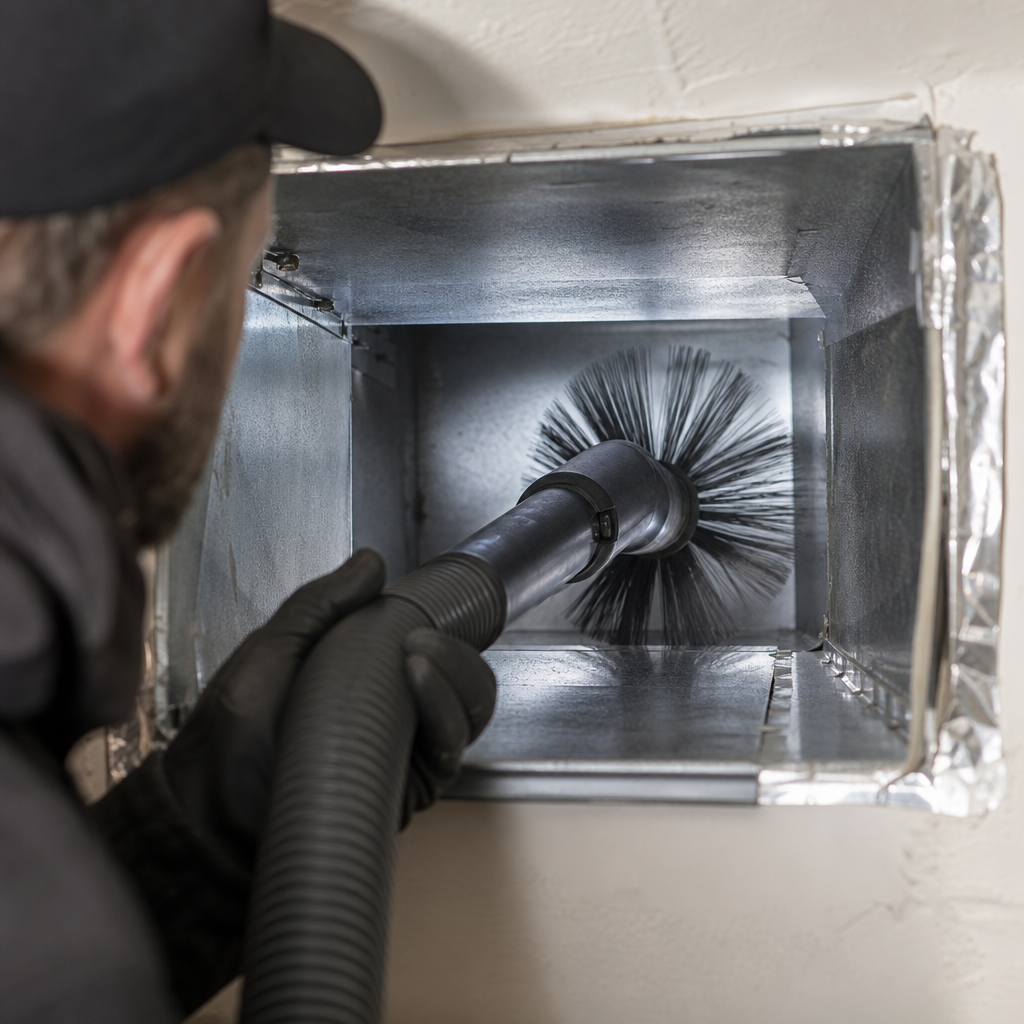
Addressing fire and smoke damage throughout the property follows a research-supported general process:
- Document and assess damage: Thoroughly inspect all building assemblies, ductwork, and wall cavities to determine the full extent of contamination and structural compromise.
- Secure the property: Implement site protection, board-up, and weatherproofing measures.
- Remove ash and soot: Clean particulate residues from structural surfaces, mechanical systems, and finishes.
- Clean and deodorize affected surfaces and belongings: Treat salvageable components and personal property with appropriate cleaning agents and deodorization methods.
- Address water or structural damage: Extract moisture, dry structural assemblies, and address compromised load-bearing elements.
- Repair damaged components: Reconstruct affected framing, drywall, insulation, and mechanical components.
- Complete final inspection or clearance: Conduct a comprehensive walkthrough and testing to verify structural soundness and cleanliness before reoccupancy.
How Much Does Professional Fire Damage Restoration Cost?
Every fire loss carries unique variables, from the square footage involved to the specific materials affected. According to rough 2026 industry estimates (not an official government or regulator estimate), average costs sit around $11,900, with typical ranges from $3,000 for simple cleanups to well over $40,000 for full structural rebuilds, though actual costs vary substantially.
Key factors that shape the final restoration estimate include:
- Extent of Soot and Smoke Damage: Widespread smoke penetration across multiple rooms or porous materials increases labor and cleaning requirements.
- Water Extraction Needs: Standing water and high moisture levels require extraction equipment, commercial dehumidifiers, and ongoing monitoring.
- Age and Materials of the Structure: Older structures may require specialized handling if hazardous materials like asbestos or lead paint are present.
- Scope of Reconstruction: Surface repainting costs significantly less than rebuilding framing, replacing subfloors, and rewiring electrical circuits.
Navigating Insurance Claims and Rebuilding Timelines
Rebuilding after a fire requires coordinated communication between the homeowner, the restoration contractor, and the insurance adjuster. Experienced restoration teams, such as Floodline Restoration Co., maintain detailed photographic records of every damaged item, structural element, and moisture reading.
Restoration timelines depend substantially on the extent of fire, smoke, water, and structural damage, required inspections, insurance approvals, availability of materials, and municipal permitting. An illustrative, nonstandard example of the phases includes:
- Emergency Stabilization: Initial board-up, roof tarping, safety lockouts, and emergency water extraction.
- Mitigation and Drying: Removal of unsalvageable debris, soot removal, surface cleaning, and structural drying.
- Insurance Scope Approval: Adjuster inspections, review of itemized line-item estimates, and approval for the reconstruction contract.
- Reconstruction and Finishes: Structural repairs, mechanical work, inspections, drywall hanging, painting, and flooring.
Frequently Asked Questions About Fire and Smoke Restoration
What is included in the fire damage restoration process?
The research-supported restoration process includes documenting and assessing damage, securing the property, removing ash and soot, cleaning and deodorizing affected surfaces and belongings, addressing water or structural damage, repairing damaged components, and completing a final inspection or clearance.
What should I do immediately after a house fire before restoration starts?
First, confirm with the fire department that the building is safe to enter. Notify your insurance company promptly to initiate a claim, document all damage thoroughly before cleanup begins, and contact a professional restoration contractor to secure the property.
How much does professional fire damage restoration cost?
According to rough 2026 industry estimates, rather than official government figures, average restoration costs are around $11,900, with typical ranges from $3,000 for minor cleaning to $40,000 or more for major structural rebuilds. Actual costs vary substantially based on the extent of damage.
Does homeowners insurance cover fire and smoke damage restoration?
Standard homeowners policies typically cover sudden and accidental fire and smoke damage, but coverage varies by policy, exclusions, deductible, and circumstances. Property owners should notify their insurer promptly and document all damage before cleanup begins.[5]
How long does fire damage cleanup and repair take?
Timelines depend on the extent of fire, smoke, water, and structural damage, as well as required inspections, insurance approvals, materials, and permitting. Projects can range from several days for minor surface cleaning to several weeks or months for complex structural rebuilds.
Can smoke and soot damage be completely removed from a home?
According to Floodline Restoration Co., professional restoration may substantially reduce or remove smoke and soot damage, depending on the materials and the extent of contamination.
Need fire damage and restoration?
We’re available now - call for a fast, free estimate.
Sources
- Statistics – USFA.FEMA.gov – usfa.fema.gov (2024)
- Residential fire estimate summaries (2014-2023) – USFA.FEMA.gov – usfa.fema.gov (2024)
- Fire Data Sets – USFA.FEMA.gov – usfa.fema.gov
- mistervoltsusa.com › home-electrical-fire-statisticsHome Electrical Fire Statistics | Mister Volts – mistervoltsusa.com (2026)
- Research Summary: U.S. Fire Loss in 2024 – NFPA – nfpa.org (2024)
Related reading: Fire Damage Restoration – 10% Off & Free Estimate – Same-Day Service
Related reading: Flood Restoration Near Me | 10% Off & Free Estimate | Same-Day Service
Related reading: Water Damage Restoration Service | 10% Off & Free Estimate | Same-Day Service
Frequently Asked Questions
How quickly should an emergency restoration crew arrive to secure a fire-damaged home?
Emergency stabilization should happen immediately to prevent weather intrusion, theft, and secondary water corrosion from firefighting efforts. Floodline Restoration Co. provides 24/7 live dispatch with a 45-minute on-site response to secure board-ups, extract water, and begin stabilization.
Why is a single-source restoration contractor better than hiring separate rebuild subcontractors?
Managing fragmented subcontractors often leads to miscommunication, prolonged timeline delays, and disputes over insurance documentation. Choosing an all-in-one specialist like Floodline Restoration Co. eliminates subcontracting handoffs by managing emergency mitigation, soot cleanup, and full structural reconstruction under a single seamless scope.
How do restoration professionals eliminate hidden smoke odors trapped in ductwork and walls?
Standard cleaning cannot reach smoke particulates embedded deep within HVAC systems and structural framing. IICRC-certified technicians at Floodline Restoration Co. deploy advanced thermal fogging, HEPA air scrubbers, and specialized sealants to neutralize odor molecules at their source rather than temporarily masking them.
About the author
 |
Sarah Jenkins Sarah Jenkins is a certified restoration specialist with over eight years of experience managing water and fire damage recovery projects in the New York metropolitan area. Holding an IICRC certification in Applied Structural Drying, she bridges the gap between technical mitigation and insurance claim processes. Her writing focuses on practical, step-by-step guidance to help property owners navigate the complexities of disaster recovery. |
Water damage, flood, or mold emergency?
We’re available now - call for a fast, free estimate.
Call Now - Free Estimate