
Quick Summary
When hidden water intrusion triggers fungal growth behind drywall and shared party walls, hiring a certified mold removal specialist like Floodline Restoration Co. prevents severe structural decay across Queens homes. True remediation requires IICRC-trained specialists who use thermal diagnostics to locate trapped dampness, establish negative air HEPA containment, and execute honest, itemized drying protocols without predatory upselling. Readers will understand the step-by-step mitigation process for complex assemblies and can schedule a free visual inspection and diagnostic moisture assessment to resolve contamination safely.
Mold Removal Specialist – Fast, Certified Local Remediation
When fungal growth spreads through drywall, flooring, or framing, bringing in a mold removal specialist stops the damage from expanding deeper into your home. Floodline Restoration Co. provides targeted structural drying and remediation across Glendale, Ridgewood, Maspeth, and surrounding Queens neighborhoods. Our focus is on identifying the moisture source, setting up proper containment, and treating affected framing without unnecessary demolition or high-pressure sales tactics.[3]
Currently, there are no federal or generally accepted health-based standards for safe levels of indoor mold or airborne mold spores. However, both the CDC and the EPA publish extensive guidance detailing the risks of indoor dampness and proper cleanup protocols. Lingering musty odors, peeling baseboards, or dark patches on plaster are clear indicators of an active moisture issue. We use thermal imaging and calibrated moisture meters to map moisture paths behind finished surfaces, diagnose hidden buildup along shared brick walls, and provide an itemized, written scope of work before any equipment runs.[4]
What Does a Mold Removal Specialist Do?
According to the National Center for Healthy Housing, mold cannot grow without moisture. Controlling the underlying water source is the foundational step in every successful remediation project. A mold removal specialist identifies hidden moisture reservoirs, isolates contaminated spaces with physical barriers and negative air pressure, and safely removes unsalvageable materials. Surface cleaning alone often leaves active fungal roots and elevated moisture trapped inside wall cavities. Remediation specialists, such as the team at Floodline Restoration Co., follow established industry protocols, such as the voluntary IICRC S520 standard, to address both airborne spores and structural contamination at the source.[5]
Professional mitigation follows a disciplined sequence to protect the rest of your home while work is underway:
- Diagnostic Moisture Mapping: Calibrated pin and pinless meters, paired with thermal cameras, track moisture travel across subfloors, wall assemblies, and shared party-wall joist pockets.
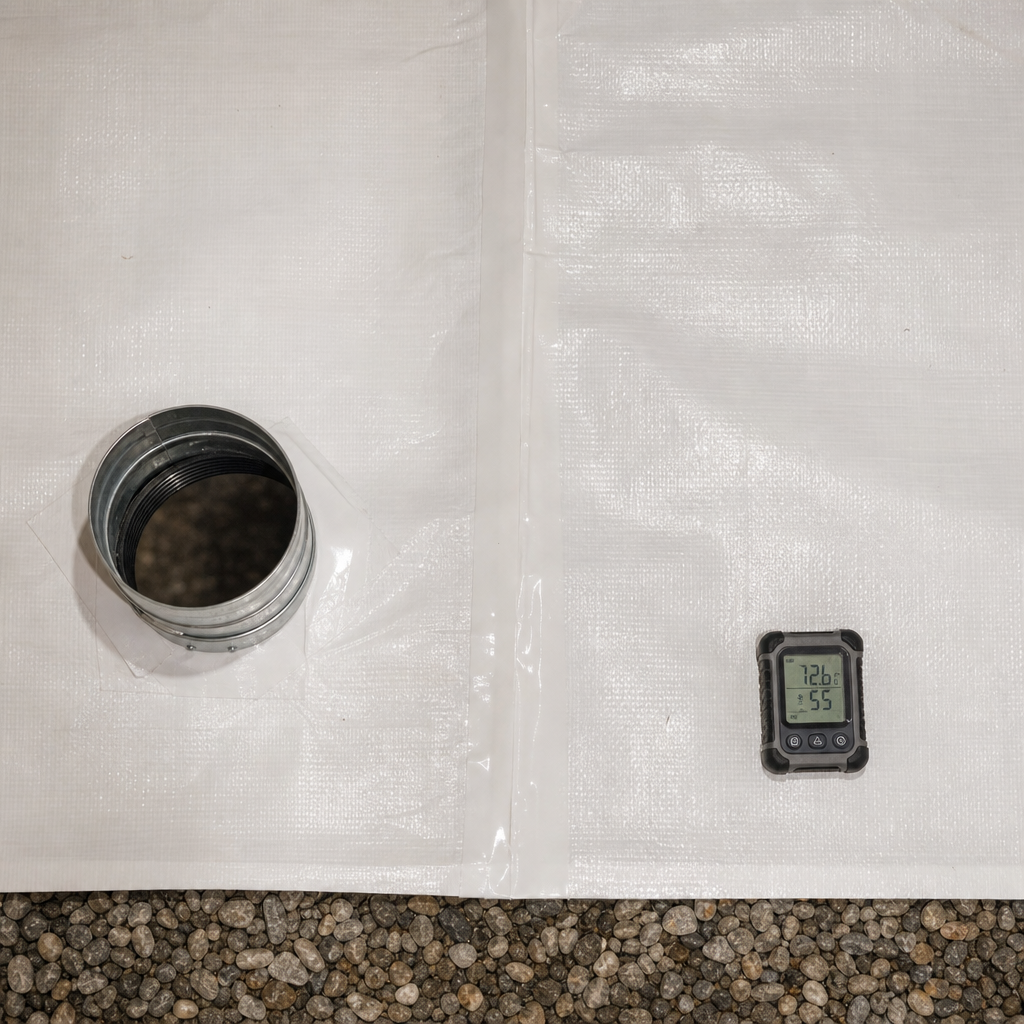
- Critical Containment: Polyethylene sheeting barriers and commercial HEPA-filtered air scrubbers keep negative air pressure inside the work zone, preventing spores from circulating into clean living areas.
- Controlled Material Removal: Non-salvageable porous items like water-soaked sheetrock, deteriorated carpet, and saturated insulation are bagged, sealed, and disposed of under containment.
- Framing Remediation: Salvageable studs, joists, and masonry are HEPA-vacuumed and detailed using targeted cleaning methods and surface treatments where appropriate.
- Structural Drying: Commercial low-grain refrigerant (LGR) or desiccant dehumidifiers run until all structural timbers meet baseline dry standards.
How Much Does a Mold Removal Specialist Cost?
Need mold removal specialist?
We’re available now - call for a fast, free estimate.
Remediation pricing depends heavily on the extent of water intrusion, the accessibility of the affected framing, and whether materials must be removed from enclosed cavities. A localized containment setup for a small utility closet or single ceiling leak typically costs significantly less than whole-basement drying or multi-room remediation following a major plumbing failure.
A 2008 review by the U.S. Government Accountability Office (GAO) concluded that indoor dampness and mold present substantial public health and economic risks nationwide. In attached Queens homes, attempting a quick surface cleanup often leads to higher long-term costs because water migrates into shared framing cavities, causing secondary decay that eventually requires major demolition.[2]
| Remediation Approach | Diagnostic Method | Containment Level | Moisture Source Verification |
|---|---|---|---|
| Surface Cleaner / Handyman | Visual only | None | No structural moisture tracking |
| Standard Remediation Contractor | Basic moisture meter | Partial poly sheeting | Visible areas only |
| Floodline Restoration Co. | Thermal imaging & deep cavity mapping | True negative air HEPA containment | Complete structural drying verified to baseline |
Primary Factors That Influence Remediation Pricing
Because every building assembly responds differently to water damage, final project costs are dictated by four core variables:
- Total Affected Area: The square footage of contaminated drywall, subflooring, or framing directly dictates labor time and filtration requirements.
- Structural Accessibility: Accessing damp floor joists seated in party-wall brick pockets requires careful, precision openings rather than broad structural tear-outs.
- Air Filtration Needs: Larger spaces demand multiple commercial HEPA air filtration units running continuously to maintain negative pressure.
- Reconstruction Requirements: The cost to replace removed plaster, drywall, insulation, and trim after structural framing is dry and cleared.
Remediation in Attached Urban Homes: Drywall, Ceilings, and Shared Party Walls
Attached brick row houses throughout Queens present unique remediation challenges. In neighborhoods like Glendale, Ridgewood, and Woodhaven, neighboring properties share structural masonry party walls. Floor joists sit directly inside recessed brick pockets. When a plumbing leak occurs on an upper floor, water follows the subfloor and drops into these joist pockets, allowing moisture and mold to spread horizontally between buildings without visible signs on the living room drywall.
A surface spray or simple drywall patch completely misses moisture trapped inside these structural cavities. Standard protocols separate porous, non-structural materials from load-bearing framing:
- Plaster and Drywall: Porous wallboards that have absorbed moisture and sustained microbial growth are cut back cleanly past the water line under containment.
- Party-Wall Cavities and Joist Pockets: Technicians inspect the internal framing pockets along shared brick lines to ensure trapped moisture is extracted before wall cavities are sealed back up.
- Wood Framing: Heavy structural joists and wall studs are remediated in place using abrasive cleaning, HEPA vacuuming, and appropriate surface treatments to avoid costly and dangerous structural alterations.
Remediating Basements, Crawl Spaces, and HVAC Ducts
Need mold removal specialist?
We’re available now - call for a fast, free estimate.
Subgrade basements and crawl spaces in older properties frequently encounter ground moisture, high humidity, and foundation seepage. Concrete slabs and rubble stone foundations draw moisture upward through capillary action. When damp air sits stagnant in these areas, fungal colonies develop rapidly on baseboards, wood shelving, and floor joists.
Research published in the CDC Stacks repository demonstrates measurable healthcare use and medical diagnoses linked to mold exposure across both commercial insurance and Medicaid populations. Running ordinary box fans in a damp basement without HEPA containment is a serious mistake; the airflow stirs up resting fungal spores and pushes them directly into upper living spaces through floor gaps and HVAC return vents.[1]
To safely remediate basement and mechanical systems, technicians like those at Floodline Restoration Co. follow strict isolation measures:
- Supply and Return Register Isolation: HVAC vents are sealed with magnetic covers and poly film to keep airborne debris out of the duct network.
- Subgrade Structural Drying: High-capacity commercial dehumidifiers pull embedded dampness out of concrete masonry and foundation sill plates.
- Surface Cleaning and Detailing: Unfinished subfloors, joist webbing, and mechanical equipment exteriors are vacuumed with HEPA equipment and cleaned using appropriate remediation methods.
How to Choose a Qualified Mold Remediation Company
Selecting the right restoration contractor means looking past marketing claims and checking actual technical capabilities, diagnostic tools, and written procedures. While formal certifications reflect specific classroom training, property owners should always verify that the crew on site understands proper containment and structural drying.
Key Credentials and Diagnostic Standards
When reviewing potential contractors, confirm the following qualifications:
- Industry Training: Technicians trained according to recognized industry standards, such as the IICRC S520, or holding credentials like Applied Microbial Remediation Technician (AMRT) or Water Restoration Technician (WRT), have completed formal coursework in containment engineering and structural drying.
- Diagnostic Tooling: Ensure the team uses non-destructive thermal imaging cameras, pin-type meters for deep timber readings, and thermo-hygrometers to track relative humidity and dew points.
- Written Protocols: Reputable contractors provide a detailed, line-item scope of work specifying containment boundaries, materials slated for removal, and target moisture levels.
Contractor Warning Signs
Protect your home and budget by watching out for these common warning signs:
- Fogging-Only Solutions: Companies that promise to eliminate mold simply by spraying or fogging a chemical mist into the air without opening wet cavities or setting up physical containment.
- Bleach Recommendations: Contractors who suggest washing porous drywall with household bleach, which leaves excess water behind in the gypsum core.
- No Moisture Testing: Starting remediation work without taking baseline moisture readings or checking framing cavities for trapped water.
Frequently Asked Questions About Professional Mold Removal
How much does a mold removal specialist cost?
Costs depend on the total square footage involved, the depth of moisture intrusion, and whether structural materials must be removed. Small, localized cleanups with minimal containment are relatively inexpensive, while multi-room projects requiring extensive drying, duct isolation, and sheetrock removal require an on-site inspection for accurate itemized pricing.
What is the difference between mold removal and mold remediation?
Mold removal focuses simply on wiping or cleaning visible surface growth, which often leaves root structures and trapped moisture untouched inside porous materials. Mold remediation is an end-to-end structural process that identifies the water source, isolates the work zone under negative air pressure, safely removes damaged porous materials, treats underlying framing, and dries the structure to target baseline levels.
When should I hire a professional mold removal specialist?
According to EPA guidance, for areas larger than about 10 square feet (roughly a 3-foot by 3-foot patch), professional remediation is generally recommended. Professional assistance is also advised if musty odors persist after a recent pipe leak or basement flood, if water has penetrated shared party walls, or if fungal growth appears near your HVAC system or inside mechanical ductwork.
Does homeowners insurance cover professional mold removal?
Coverage varies by policy and cause. Insurance policies often treat sudden and accidental water damage differently from gradual leaks, long-term maintenance issues, or flooding. Coverage may apply if mold develops directly from a covered sudden peril, while gradual damage is typically excluded. Working with a contractor like Floodline Restoration Co. who documents daily moisture logs and photos helps streamline the claim review process with your adjuster.
How do mold specialists inspect and detect hidden mold?
Remediation specialists use a combination of non-invasive infrared thermal imaging, which identifies temperature differentials caused by hidden moisture, and pinless moisture meters to scan behind drywall, tile, and flooring. If trapped water is detected, technicians make small inspection ports to examine cavity framing directly with borescopes.
What certifications should a qualified mold removal specialist have?
The IICRC S520 is a recognized industry standard for mold remediation. While specific credentials such as Applied Microbial Remediation Technician (AMRT) or Water Damage Restoration Technician (WRT) reflect relevant professional training, they are not the only credentials available. Property owners should verify that the remediation team adheres to recognized industry standards for containment construction, negative air mechanics, and safe structural drying.
Need mold removal specialist?
We’re available now - call for a fast, free estimate.
Sources
- Healthcare use and health disparities associated with mold … – pmc.ncbi.nlm.nih.gov (2024)
- [PDF] Indoor dampness and mould health effects – CDC Stacks – stacks.cdc.gov (2007)
- Introduction – osti.gov (2007)
- Health effects associated with dampness and mould – ncbi.nlm.nih.gov (2007)
- GAO-08-980, Indoor Mold: Better Coordination of Research on Health Effects and More Consistent Guidance Would Improve Federal Efforts – gao.gov (2008)
Related reading: Sewage Backup Cleanup Near Me | Call Now-10% Off | Same-Day Service | Free Estimate
Frequently Asked Questions
How long does professional mold remediation typically take?
Most residential projects take between one to three days, depending on the severity of contamination and structural drying needs. Floodline Restoration Co. deploys commercial dehumidifiers and negative air scrubbers to safely accelerate drying and keep project timelines on schedule.
Can I stay in my home while a mold removal specialist works?
Yes, occupants can typically remain in unaffected areas of the home because specialists isolate the contaminated zone using polyethylene containment barriers and negative air pressure. For extensive multi-room or HVAC contamination, Floodline Restoration Co. provides guidance on whether temporary relocation is recommended during active demolition.
How do specialists verify that mold is completely gone after treatment?
Specialists verify project completion by confirming all contaminated porous materials are removed and structural framing is dried to predetermined moisture baselines. Floodline Restoration Co. conducts post-remediation moisture mapping and thermal scans to guarantee wall cavities and party-wall framing are stable before containment is taken down.
About the author
 |
Sarah Jenkins Sarah Jenkins is a certified restoration specialist with over eight years of experience managing water and fire damage recovery projects in the New York metropolitan area. Holding an IICRC certification in Applied Structural Drying, she bridges the gap between technical mitigation and insurance claim processes. Her writing focuses on practical, step-by-step guidance to help property owners navigate the complexities of disaster recovery. |
Water damage, flood, or mold emergency?
We’re available now - call for a fast, free estimate.
Call Now - Free Estimate