
Last updated August 25, 2026
Free visual inspection and a written scope of work before any mitigation begins - photos, moisture readings, and drying logs go in your claim file
The scope we write is the scope we bill. Anything new gets shown to you, in writing, before we touch it.
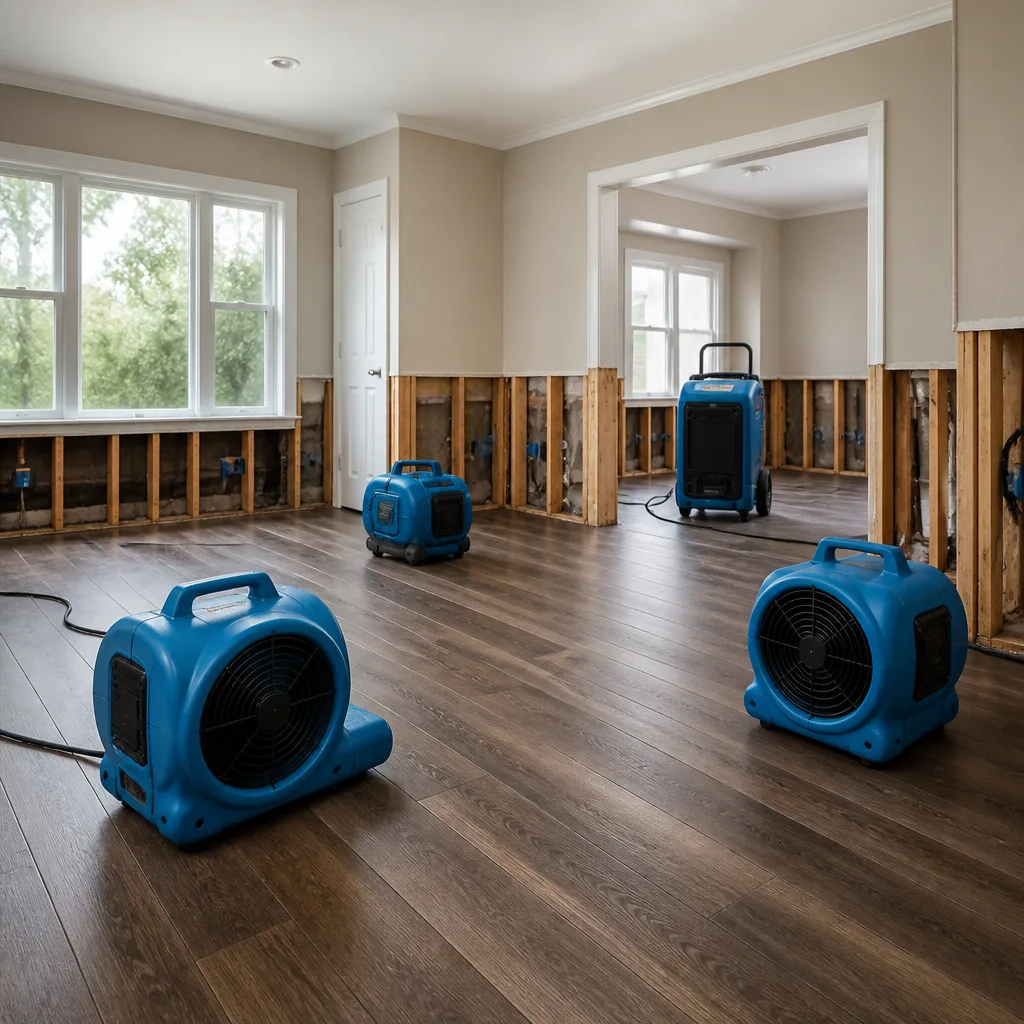
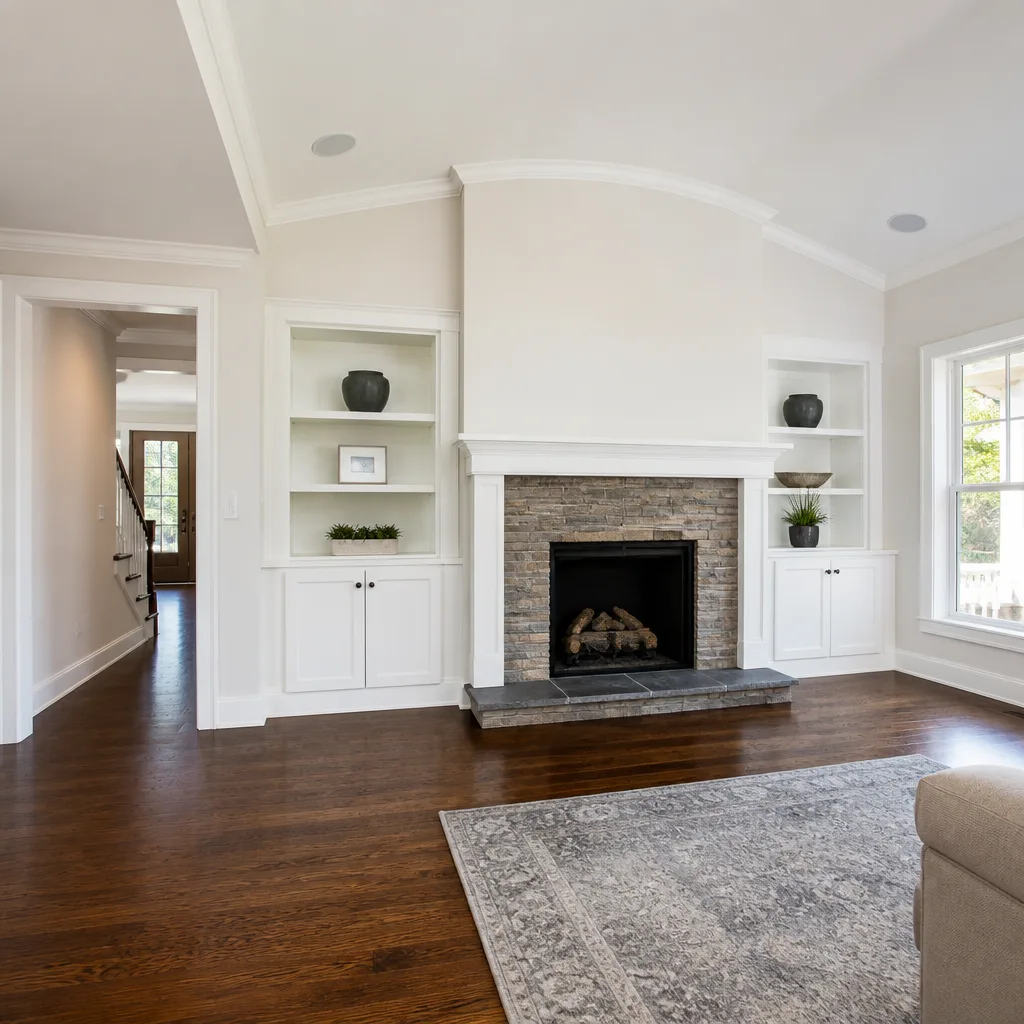
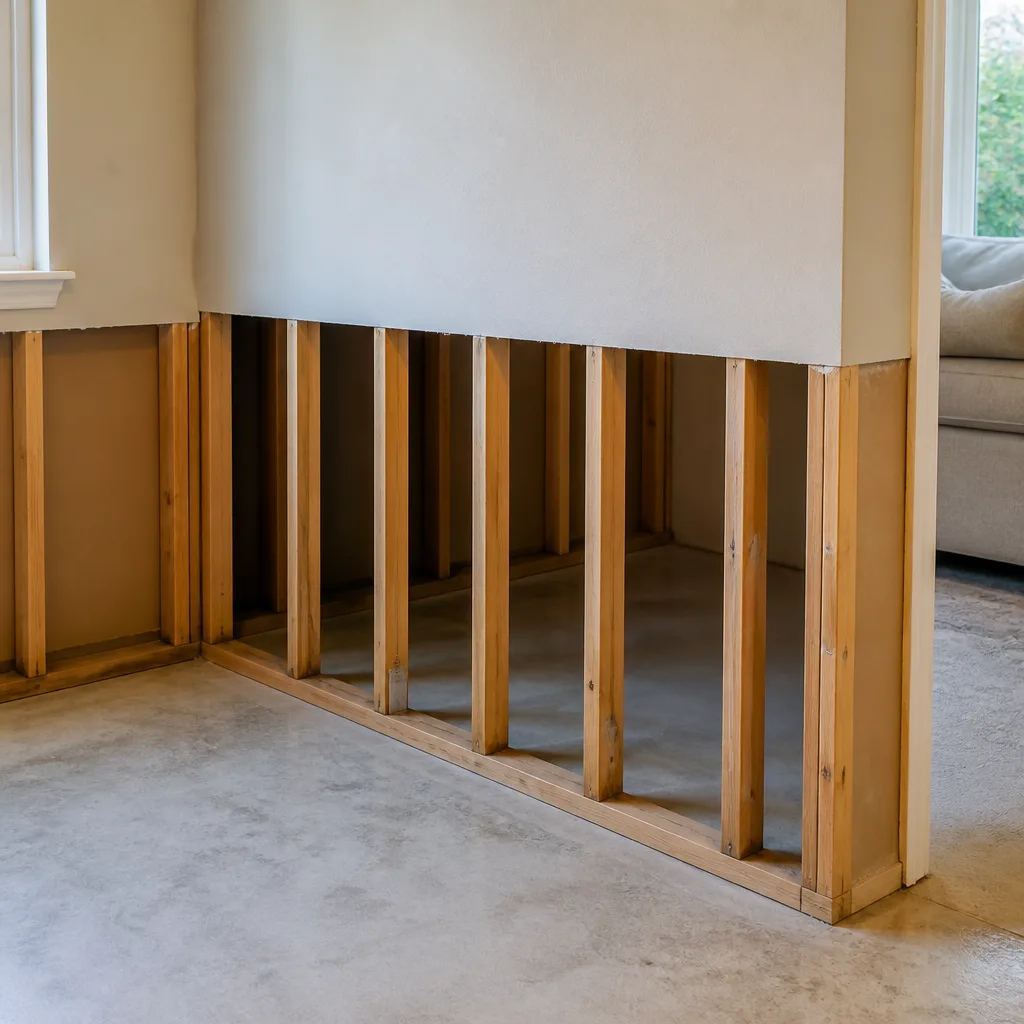
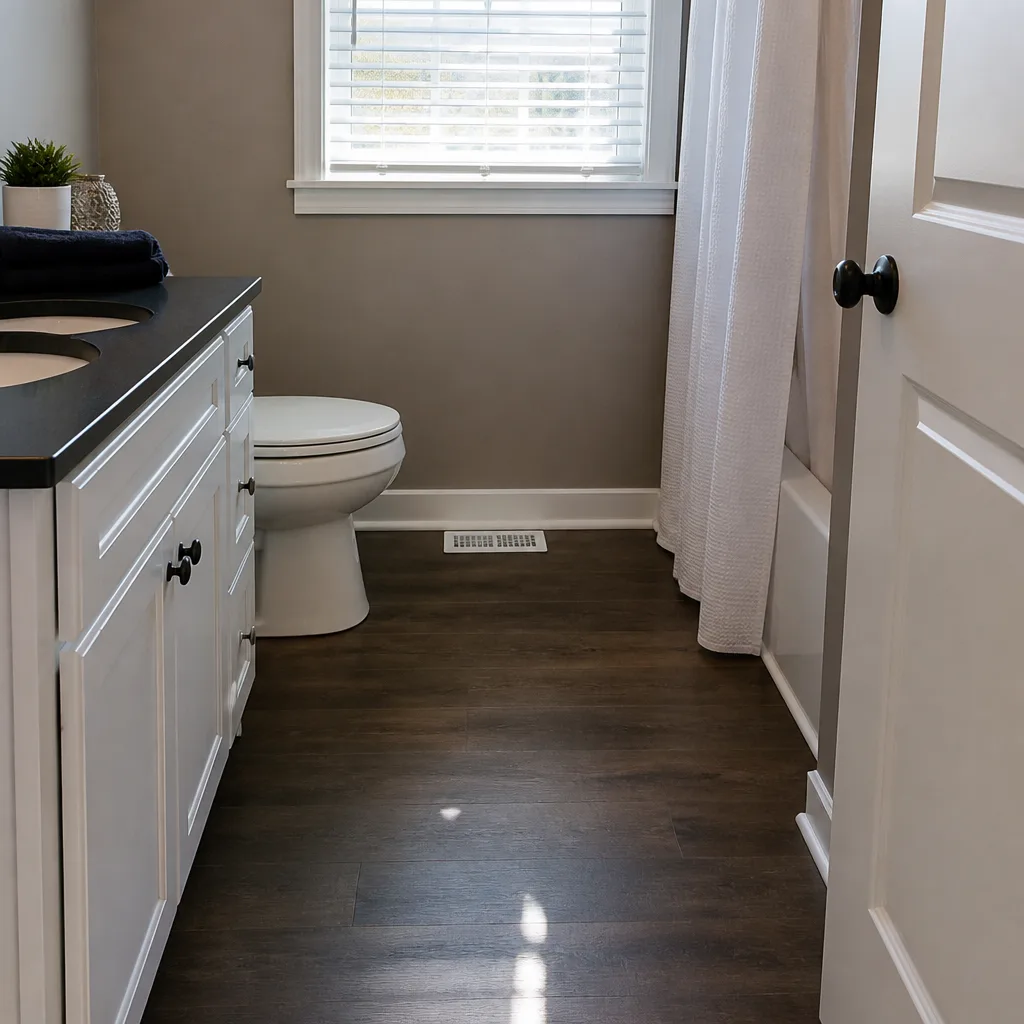
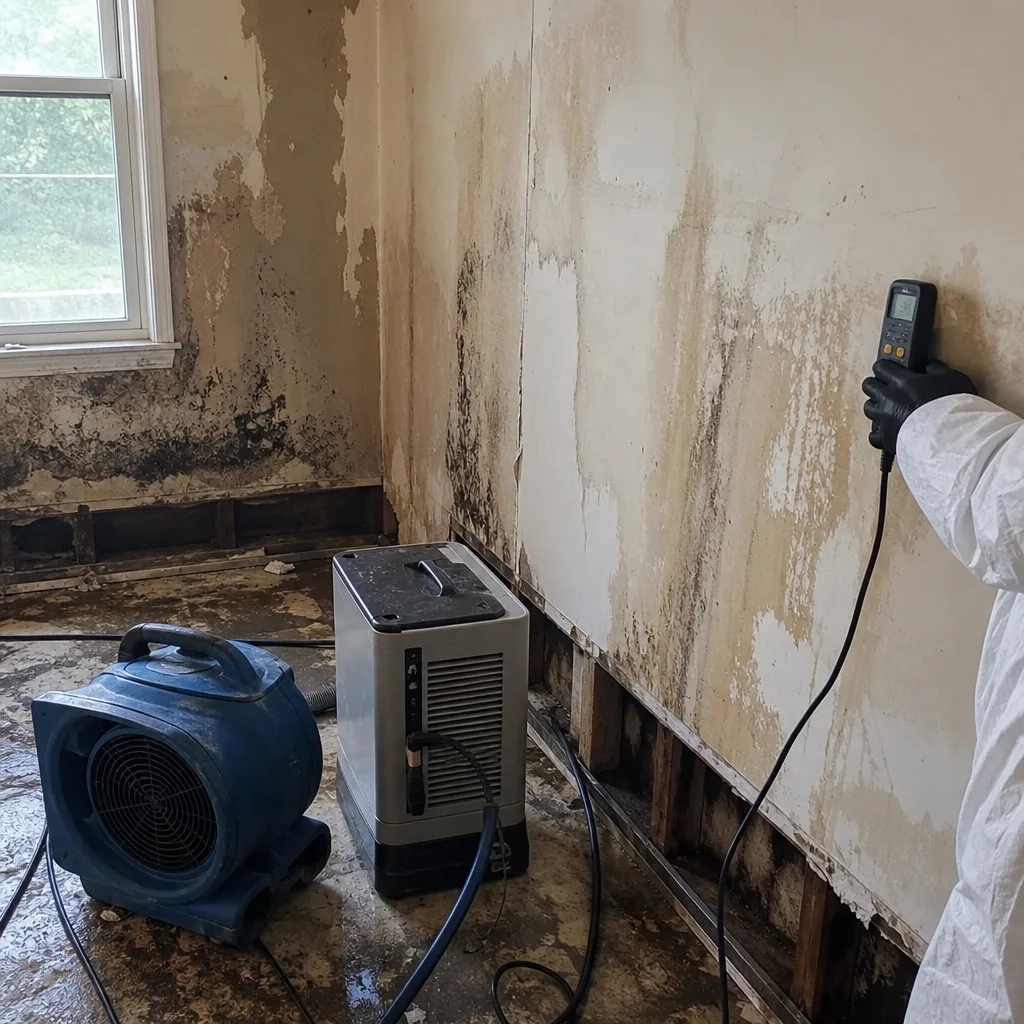 Before
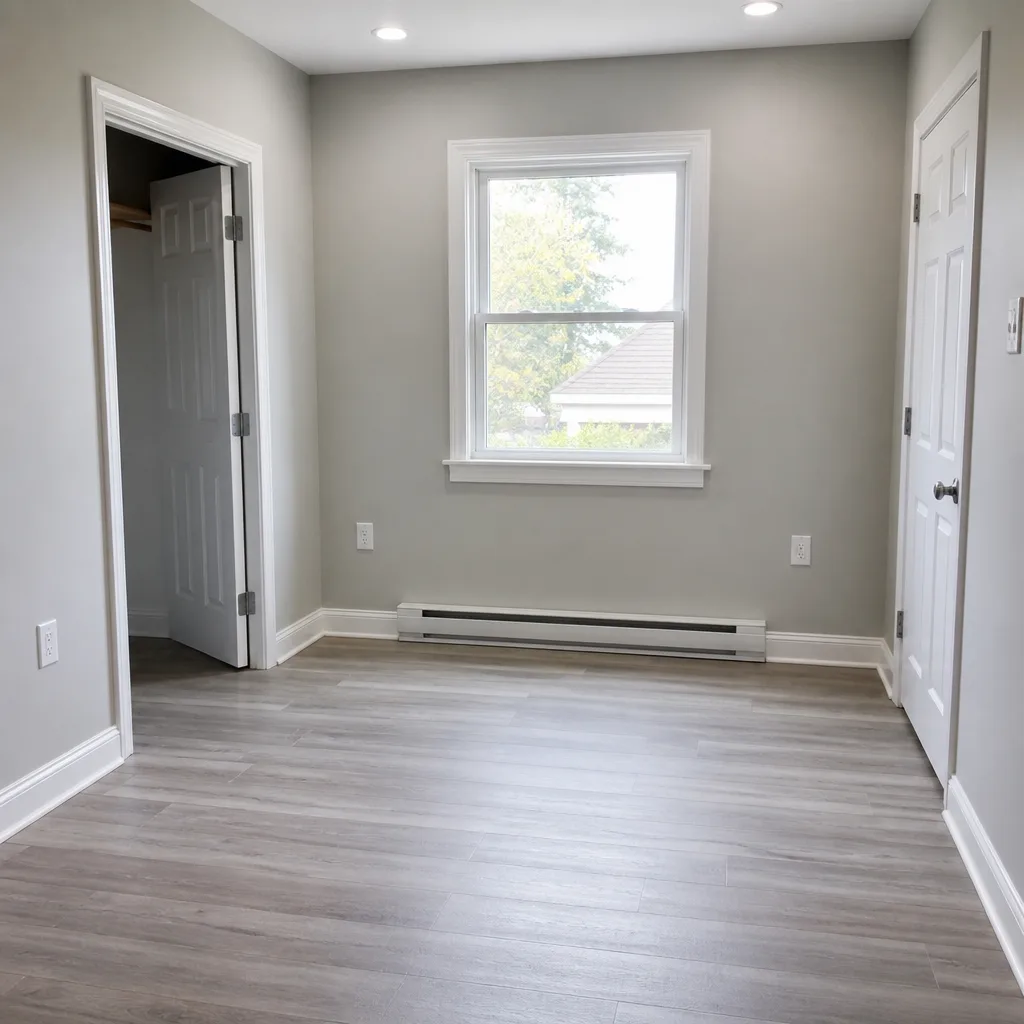 After
After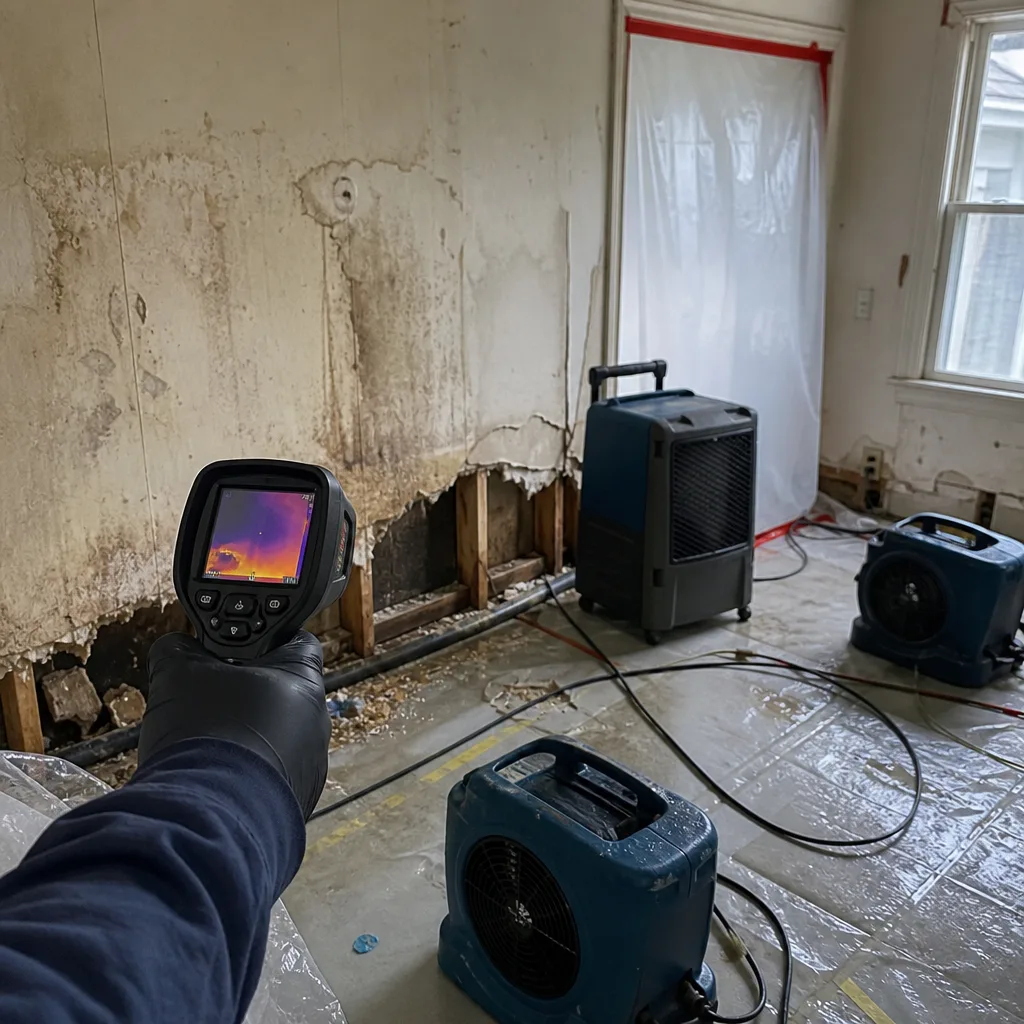 Before
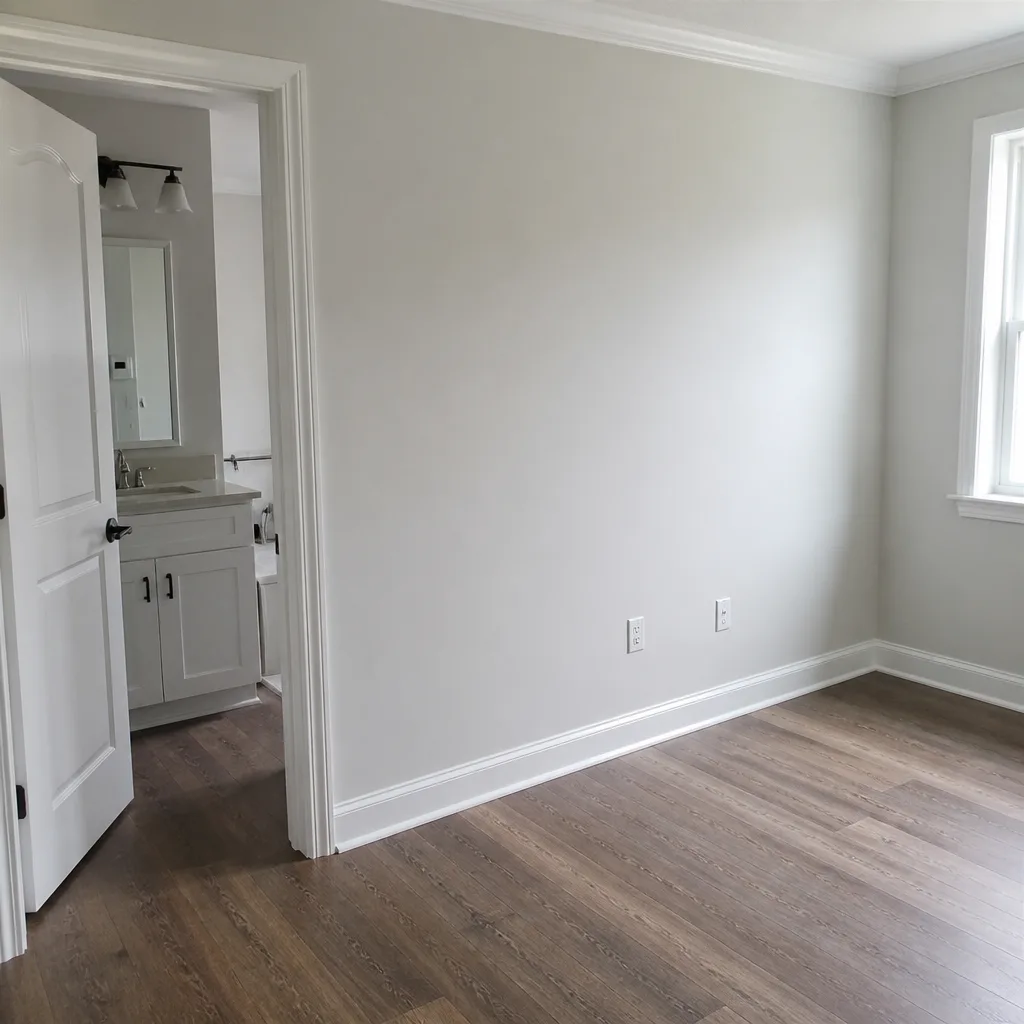 After
After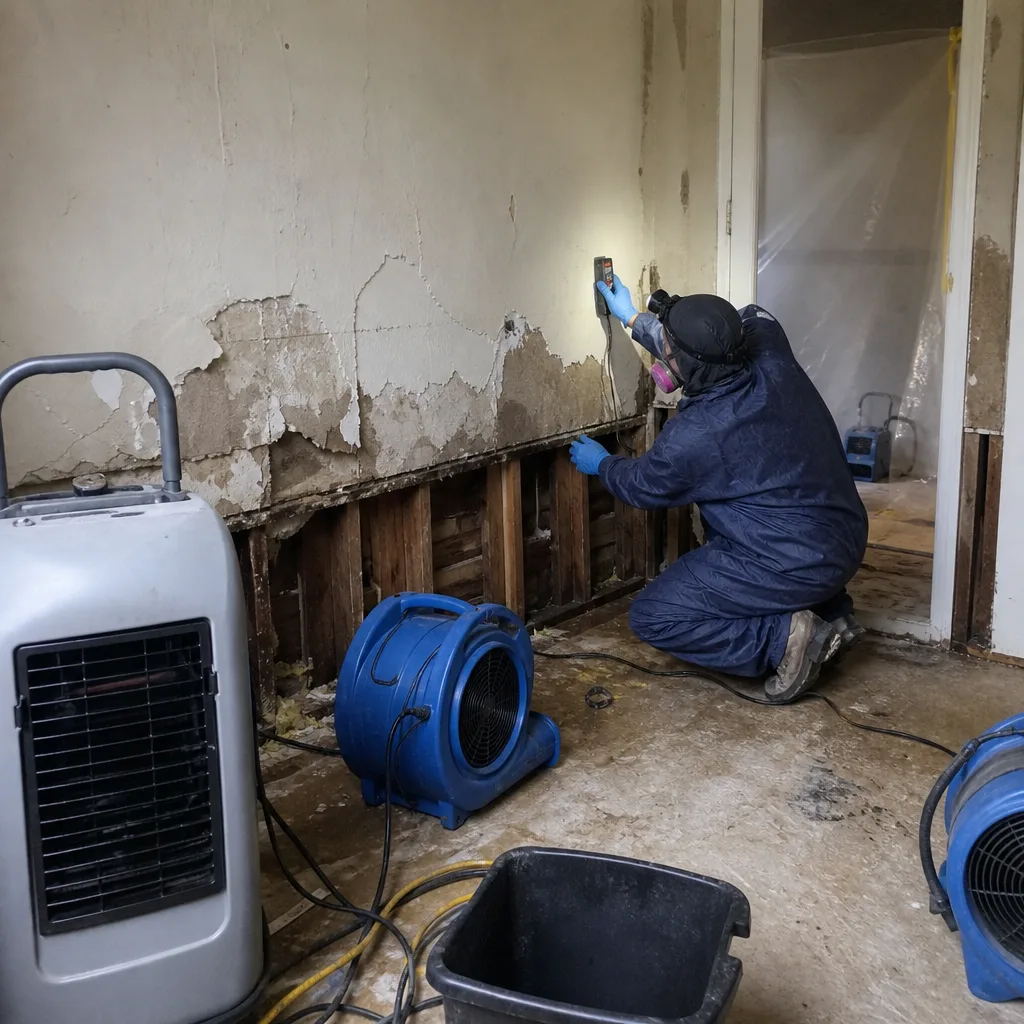 Before
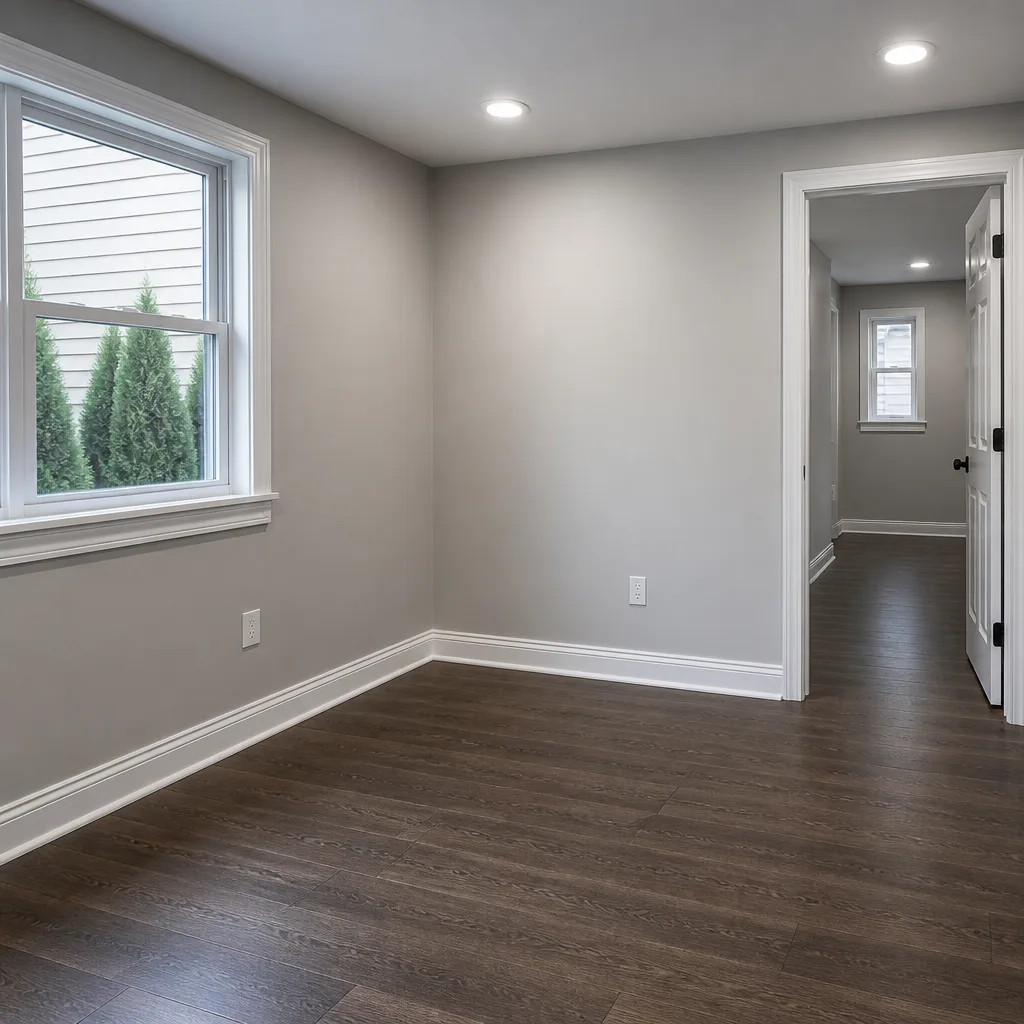 After
AfterDIY vs Professional Damage Restoration: The Glendale Homeowner’s Decision Guide
Every water damage claim in Glendale follows the same quiet arc: the first hour feels manageable, the second hour smells different, and by the third, the homeowner is standing in a wet basement wondering whether the puddle by the water heater is a weekend project or a five-figure problem. The insurance industry’s own data tells the story: roughly 1 in 50 insured homes files a water damage claim each year, and the average claim settles near $11,000. But that number hides the real cost, because the difference between an $800 cleanup and an $18,000 rebuild comes down to decisions made in the first 48 hours, not the first 48 days. This guide walks Glendale homeowners through exactly where the line sits between what a careful person can handle with a wet vac and what needs certified equipment, written documentation, and a crew that has done this a few hundred times.
Quick Answer
DIY damage restoration makes sense for small, clean-water spills under about 10 square feet that are dried within 24 to 48 hours using fans, a dehumidifier, and thorough monitoring. Professional restoration is the right call for anything involving sewage, groundwater, water that traveled through walls or flooring, electrical contact, or any area that stayed wet more than two days. In Glendale, where spring thaw and heavy summer storms push groundwater into basements built decades ago, most homeowners we hear from wait just long enough for a manageable spill to become a structural problem.
Table of Contents
- Understanding Water Damage: Three Categories, Three Different Risks
- What You Can Realistically DIY (And Do Well)
- What Professionals Bring That Homeowners Can’t Rent
- The Moisture Map: Why What You Can’t See Matters More
- Glendale-Specific Factors: Clay Soils, Old Basements, and Storm Patterns
- Insurance and Documentation: The Paper Trail Decision
- The Mold Timeline: What Happens When Delay Happens
- What Each Route Actually Costs in Glendale
Understanding Water Damage: Three Categories, Three Different Risks
Not all water is created equal, and the restoration industry sorts it into three categories that drive every decision about safety, equipment, and cost. Category 1 is clean water from a supply line, a failed water heater, or a faucet left running. Category 2 is gray water, which has been used or contaminated: dishwasher discharge, washing machine overflow, shower water. Category 3 is black water, which carries sewage, groundwater, or floodwater from outside.
The category matters because it dictates what you can touch safely, what materials can be dried versus removed, and how fast the work must move. A Category 1 spill can often be dried in place if caught quickly. Category 3 water destroys porous materials on contact’s natural terms; drywall, carpet pad, and insulation exposed to black water are removed, not restored. This isn’t a preference. It’s the standard set by the IICRC, the restoration industry’s certifying body, and it’s the standard our technicians follow on every Glendale job.
Category 1: Clean Water
- Source: supply lines, faucets, water heaters, rainwater that hasn’t touched the ground
- DIY potential: high if the area is small and drying starts fast
- Material salvage: most porous materials can be dried in place within 48 hours
- Risk if delayed: Category 1 water becomes Category 2 within 48 to 72 hours as bacteria multiply
Category 2: Gray Water
- Source: washing machines, dishwashers, showers, aquariums
- DIY potential: limited; requires antimicrobial treatment after drying
- Material salvage: carpet pad is typically removed; carpet can sometimes be cleaned
- Risk if delayed: progresses toward Category 3 characteristics quickly in warm weather
Category 3: Black Water
- Source: sewage backups, groundwater intrusion, river or flood water
- DIY potential: none; this is a health hazard requiring PPE and proper disposal protocols
- Material salvage: porous materials removed and disposed; structural materials assessed case by case
- Risk if delayed: bacterial load increases hourly; cross-contamination spreads into untouched rooms
One point we make to every Glendale homeowner dealing with basement seepage: groundwater is always Category 3. That may surprise people, but the water that pushes up through a foundation crack has traveled through soil, carrying whatever bacteria, fertilizer residue, and organic matter lives in it.
What You Can Realistically DIY (And Do Well)
There’s a version of this conversation that treats DIY as a moral failure, and that’s not honest. A careful Glendale homeowner with the right tools can absolutely handle a clean-water spill that meets four specific conditions. The problem is that most DIY restorations fail on one of those four conditions, and that’s where the real cost hides.
- The water is Category 1. Clean water from a supply line or appliance. If you’re not certain it’s clean, it’s not.
- The affected area is under about 10 square feet. A bathroom floor, a section of hallway, the space under a kitchen sink. Larger than that and you need commercial airflow to dry it evenly.
- The water hasn’t touched walls, baseboards, or subfloor through any gap. If it has, you’re drying multiple layers; surface drying won’t reach the pocket between flooring and subfloor.
- You can start drying within 2 hours and keep it going for 48 hours minimum. This means fans running continuously, a real dehumidifier (not a closet desiccant), and temperature above 70 degrees.
For a spill that fits those four boxes, here’s the sequence that works:
- Stop the source. Shut the valve, kill the appliance, or turn off the main. Do this before you touch any wet material.
- Remove standing water. A wet/dry vac gets most of it. Towels finish the film.
- Move the air. Point fans across the wet surface, not straight down. Air moving parallel to a wet floor does more work than air pressing into it.
- Dry the air. Run a dehumidifier rated for the square footage of the room. Drain it regularly or run a hose to a floor drain.
- Monitor for 48 hours. Check for discoloration, warping, or odor. If any appears, stop and call.
This process works on Glendale’s typical hardwood over plywood construction in the right conditions. Where it fails is when the water traveled, when the category is wrong, or when the drying window closes because life got in the way. That last one isn’t a character flaw; it just happens. Work, family, the phone ringing: 48 hours of monitoring is a long time for a homeowner who also has a life.
What Professionals Bring That Homeowners Can’t Rent
The equipment gap is real, but it’s not the whole story. A determined homeowner can rent a commercial dehumidifier and a few air movers from a local tool rental in Queens. What they can’t rent is the calibration, the placement logic, and the accountability for the result.
Here’s what changes when a professional crew works a Glendale water damage job:
Commercial airflow by design, not by guess. We’re running Dri-Eaz and Phoenix air movers positioned to create a pressure differential across the wet surface. That matters more than the raw cubic feet per minute. A fan pointed at a wet wall dries the surface and leaves the cavity wet. A fan positioned to pull air through the wall cavity dries the structure. The difference is invisible to someone doing this for the first time.
True low-grain refrigerant dehumidification. Home units pull about 20 to 30 pints per day in ideal conditions. A single Phoenix commercial unit pulls 85 to 100 pints per day, and we run them in arrays matched to the affected cubic footage. More importantly, we’re measuring the water removed against a daily target, not just emptying a bucket and hoping.
Floor and wall cavity drying systems. Injectidry panels and drying mats push air into cavities that no open fan can reach. If Glendale water travels under tile, behind a baseboard, or into a wall, that pocket needs positive pressure arid airflow. Without it, the moisture sits there and the mold clock keeps running.
The moisture log. This is the piece that matters most to an insurance claim. We take readings on day one, map the affected area, and document daily measurements until the structure reaches the dry standard: wood below 16% moisture content, gypsum below 8%, concrete below 12%. That log goes to the homeowner and the carrier. It’s the written record that says the job was done to standard, and it’s exactly what an adjuster looks for when a claim is reviewed. A homeowner doing DIY drying has no log, and when the carrier asks why the repair took three weeks and involved a rebuild, there’s nothing to show.
None of this is a sales pitch against self-reliance. It’s a description of what the work actually requires. The same crew that reads the moisture map on day one in Glendale handles the daily readings, hands the log to the homeowner and the carrier, and rebuilds what needs rebuilding. That continuity is what keeps a water claim from turning into a relay race with the adjuster.
The Moisture Map: Why What You Can’t See Matters More
The most expensive water damage in Glendale homes isn’t the puddle you can see. It’s the moisture that wicked six feet up a wall, followed a pipe chase into the ceiling below, or soaked the subfloor under linoleum that looks dry on top. Water is lazy in exactly one way: it follows the path of least resistance. Gravity and capillary action do the rest, and the result is a damage pattern that has almost nothing to do with where the water first pooled.
Here’s what water does once it’s loose in a structure:
- Wicking through gypsum. Drywall pulls water upward at roughly 1 inch per hour in the first 24 hours. A flood line at 4 inches on the wall means moisture has climbed far higher inside the wall cavity.
- Capillary action through flooring. Water moves horizontally through plywood subfloor and hardwood, traveling as much as 6 feet from the original spill point under the surface layer.
- Chasing the framing. Once water reaches a bottom plate or stud, it enters the framing and can travel vertically through connected lumber, showing up as moisture in a ceiling joist two rooms away.
- Sitting in enclosed cavities. The gap between a finished ceiling and the floor above is a drying dead zone. No household fan reaches it. The water sits there, dark and warm, and that’s where mold starts.
This is why professional restoration starts with a moisture map, not a mop. We walk the property with a penetrating moisture meter and an infrared camera that shows temperature differences behind walls and under floors. The map tells us where the water actually went. It also tells us where to place drying equipment to pull moisture out of cavities, not just off surfaces. That mapping step is the foundation of a defensible insurance claim and the difference between drying a room and drying a building.
In Glendale, the typical mid-century Cape and 1960s split-level have framing patterns and materials that predate modern moisture-resistant drywall. The stud bays are uniform, the plaster-and-lath transitions are old, and the subfloor is often solid fir. Water moves through those structures predictably once you’ve seen a few hundred of them. We have, and the moisture map we hand to carriers reflects that familiarity.
Glendale-Specific Factors: Clay Soils, Old Basements, and Storm Patterns
Glendale sits on a shallow grade that slopes from the higher ground near Forest Park down toward the lower streets near the former LIRR tracks. The soil in the area runs toward a dense clay mix that drains slowly through spring thaw and heavy summer downpours. That combination means basements in Glendale see groundwater pressure during two specific seasons: March through April when snowmelt and rain arrive together, and July through September when short, violent thunderstorms dump an inch of rain in an hour.
If you own a pre-1970 house in Glendale, your foundation is likely stone or block, your floor drain may be connected to a combined sewer lateral, and your basement has leaked at some point. The streets around 73rd Place, 64th Street, and the blocks running east toward the park see basement seepage after hard rain because the clay holds water near the surface and it follows the foundation wall down. None of this makes a house bad; it makes groundwater a fact of life, and it changes the DIY calculus. A seepage event that looks like “just some water on the floor” is almost always Category 3 groundwater, and the water will keep coming until the outside pressure equalizes. Drying efforts while water is still entering are wasted.
Summer storms present their own problem in Glendale: combined sewer backups. When a sudden storm overwhelms the sewer main, the lowest drain in the house, usually a basement floor drain or a laundry sink, can back up. That water is black water by definition, and its arrival is both sudden and unpleasant. The restoration priority is not just drying but sanitizing, disposal, and testing for bacterial contamination. A homeowner attempting to handle a sewer backup with bleach and a mop is taking on a pathogen load that can sicken a household. In this category of damage, professional equipment and protective gear are not upgrades; they’re prerequisites.
The other Glendale-specific factor that makes professional restoration valuable is dry time. A restoration firm that operates in this borough knows what ambient humidity does to drying. July in Glendale means days near 80% relative humidity outside, which means household dehumidifiers work against the weather, not with it. Professional-grade LGR (low-grain refrigerant) dehumidifiers are built for exactly this fight, pulling water out of air that’s already heavy with it so the structure can release its moisture. A window fan in July does almost nothing for a drying wall cavity.
Insurance and Documentation: The Paper Trail Decision
Insurance is the quiet variable in nearly every Glendale water damage decision, even when the homeowner hasn’t yet filed a claim. The moment water touches a structure, the clock starts on a process that will either be documented or not, and the documentation determines whether the claim is paid at replacement cost, actual cash value, or denied for neglect. Here’s the piece most homeowners miss: the carrier’s obligation to pay for restoration is tied to the homeowner’s obligation to mitigate. That’s standard policy language, and in practice it means you have to act promptly and reasonably to stop further damage, or the carrier can reduce the payout for anything it considers a result of delay.
When a Glendale homeowner calls us for a water extraction, here’s what flows to the carrier:
- Photo documentation from arrival. Before we touch anything, we’re documenting what the water did, which is the first piece of the claim record.
- The moisture map. A room-by-room plan showing which materials were affected and where moisture had traveled, including anticipated unseen damage.
- The daily moisture log. Readings from day one through the day the structure reaches the dry standard, every day, in a format an adjuster recognizes easily.
- The scope of work. A written plan for what’s being dried, what’s being removed, what’s being treated, and what rebuilding is required after drying completes.
- Direct billing to the carrier. We bill the carrier directly for covered work. The homeowner never plays messenger between our office and the insurance company.
When the work is done, the homeowner has a packet: photos, log, scope, invoice, and the written 90-Day Done Right Promise from Floodline Restoration Co. That’s the Keystone Standard we put on every job. If it’s not done right, we make it right. No paperwork battles, no arguing.
By contrast, a DIY drying effort produces no documentation beyond, at best, a few phone photos and a memory of what happened. When the carrier sends an adjuster two weeks later to review a mold claim that started as a water claim, the adjuster finds a homeowner story, not a restoration file. That’s not a judgment on the homeowner; it’s the reality of how claims are processed.
For Glendale homeowners with older policies, usually written before the area’s flood history was repriced after Superstorm Sandy, there’s another layer here. Some policies exclude groundwater or cap sewer backup coverage. We can’t change your policy, but we can make sure the documentation supports whatever coverage you do have. That’s part of the square deal: no surprises on the bill, and no surprises from the adjuster.
The Mold Timeline: What Happens When Delay Happens
Mold is the second clock running on every water damage event, and it runs faster than most people think. The 24-to-48-hour window you hear about is the time before mold can establish on wet organic material; in Glendale’s warm summer conditions, we’ve seen visible colonization start at the 48-hour mark on wet drywall and carpet pad, and we’ve measured active growth behind walls within 72 hours.
Here’s the timeline as it actually plays out:
- Hour 0 to 24: Water spreads through porous materials. No mold growth yet, but spore activation begins once relative humidity in the material exceeds 70%.
- Hour 24 to 48: Spores germinate on wet organic material. Nothing visible yet, but the biological clock is running. If drying is active and effective, the process can be arrested.
- Hour 48 to 72: Visible mold growth may appear on drywall, baseboard, carpet, and recently wet wood. This is the transition from water damage to mold remediation, and it changes the scope and cost significantly.
- Day 7 and beyond: Established colonies release spores into the room air. Cross-contamination spreads to previously unaffected rooms. Remediation now includes containment, air scrubbing with HEPA filtration, and disposal of contaminated materials.
What this means for the Glendale homeowner deciding whether to DIY a small spill is simple enough: if you can’t start real drying within 24 hours, the odds of a mold problem rise steeply. And what starts as a water cleanup becomes a mold remediation that requires different equipment, different certifications, and often a different price tag. Our technicians are certified to IICRC, RIA, and IFA standards, which means we handle both water and microbial remediation under one roof; we don’t dry half a problem and refer out the rest.
The mold timeline is also why the “wait and see” approach is the most expensive option in the entire decision guide. Waiting costs nothing today and real money in ten days. If you’re not sure whether the water sat too long, call us. Part of the initial assessment is telling you honestly whether you have a water problem or a water-and-mold problem. That call is free, and it’s answered by a live person, day or night.
What Each Route Actually Costs in Glendale
Let’s talk dollars. The DIY route and the professional route both have predictable cost profiles, and the surprise is where the money goes in each scenario.
DIY Cleanup: The Real Numbers
- Wet/dry vac rental or purchase: $40 to $100 (purchase price, useful for years)
- Household dehumidifier: $150 to $300 (if you don’t already own one)
- Box fans: $25 to $60 each (you’ll want two or three for a small room)
- Cleaning supplies and disinfectant: $30 to $75
- Total out-of-pocket for a small, clean spill: roughly $150 to $400, plus your time
That’s the good outcome, the one where the water was Category 1, the area was small, and you started drying within hours. The moment one of those conditions isn’t met, the DIY route becomes more expensive, not less, because you’re paying for cleanup plus the consequences of incomplete drying: mold remediation, replaced drywall, refinished floors, or a claim that’s reduced for failure to mitigate.
Professional Restoration: The Real Numbers
- Water extraction and drying for a contained basement event: $800 to $1,500, depending on square footage and equipment days
- Category 3 (sewage/groundwater) remediation: $2,500 to $5,000, including removal, disposal, disinfection, and drying
- Mold remediation for a contained area: $1,800 to $4,000, including containment, HEPA air scrubbing, and material removal
- Reconstruction after significant damage: $4,000 and up, scoped and priced in writing before work begins
For most Glendale homeowners, the professional route is an insurance claim, and the carrier pays for covered work directly. The homeowner’s out-of-pocket exposure is the deductible plus any uncovered line items. And here’s the point we want to make plainly: when the work is done by a restoration firm with the Floodline Restoration Co. home standards, the homeowner has a warranty and a paper trail. When a hidden moisture pocket turns moldy eight weeks later, the carrier and the contractor are talking to each other about who makes it right; the homeowner isn’t starting over.
There are also three offers that apply to every job we do: $50 off any repair over $250, an $89 seasonal tune-up, and a 5% senior and veteran discount, always. Those aren’t seasonal promotions or gimmicks; they’re standing offers, and they’re applied without asking.
Common Mistakes to Avoid
- Starting to dry before stopping the water source. It sounds obvious, but in an emergency, people grab the mop first. If the water is still coming, you’re drying a room that’s refilling. Stop the source, then fight the wet.
- Treating groundwater as clean water. Basement seepage through Glendale’s clay-heavy soil is Category 3 water. Moving it with a wet vac and calling the job done leaves pathogens on the floor and bacteria drying into the air.
- Using household fans alone on a wall or cavity. A fan pointed at wet drywall dries the paper face and leaves the wall cavity saturated. The moisture hides behind the surface until the mold clock runs out.
- Not documenting before cleaning. If you intend to file an insurance claim, photograph everything before you move a single bucket. After-the-fact photos don’t tell the adjuster what the damage looked like, and that weakens the claim.
- Waiting to see ifit dries on its own. Active water damage never dries on its own in time to prevent mold. Waiting is a decision to accept the higher remediation cost later.
- Using bleach on mold. Bleach is not a mold remediation agent on porous materials. It whitens surface mold and doesn’t touch the roots inside drywall or wood. Worse, it adds moisture to the material. Professional mold work uses HEPA vacuuming, antimicrobial products rated for the material, and removal where necessary.
- Replacing drywall before the structure reaches the dry standard. If the framing behind the drywall is still above 16% moisture content, the new drywall will wick that moisture back and you’ll be replacing it again. Restoration is a sequence: dry first, then rebuild.
When to Call a Professional
Call a professional when the water source is sewage or groundwater, when the affected area is larger than a single small room, when water has entered walls or flooring, when the water sat for more than 24 hours, when you smell anything musty or earthy, or when an insurance claim is on the table and you need documentation. Also call when you’re simply not sure. The assessment is free, and the alternative, guessing wrong in a Glendale basement, costs more than any quote. Floodline Restoration Co. offers free estimates in Glendale, and you’ll reach a live dispatcher at (845) 482-0653 any hour, every day. If there’s water where it shouldn’t be, the call is worth making before the puddle becomes a project.
Frequently Asked Questions
If the affected area is larger than about 10 square feet, the water is not clean (sewage, groundwater, gray water), it has touched walls or flooring, it has sat for more than 24 hours, or you smell anything musty, it’s too big for DIY. Most Glendale basement events fail at least two of those four conditions.
Most standard policies cover sudden and accidental water damage from plumbing failures, appliance leaks, and similar internal events; groundwater seepage and sewer backup are typically separate coverages or excluded. Every policy is different, and the smart move is to call us at (845) 482-0653 and let us help you document the damage accurately so your carrier sees exactly what happened.
A live dispatcher answers at (845) 482-0653 around the clock, and the on-call crew is typically dispatched the same visit that we confirm the job. In most cases in Glendale, a certified crew reaches the house and extraction is running the same day the call comes in.
Rental equipment can dry a small, contained area if the water is clean and you start within hours. Professional drying uses commercial-grade Dri-Eaz and Phoenix air movers positioned for cavity airflow, low-grain refrigerated dehumidifiers that pull more water per day, and daily moisture readings until the structure reaches the IICRC dry standard. The gap between “the surface feels dry” and “the structure is dry” is where mold lives.
You have the right to choose any licensed restoration contractor regardless of the carrier’s preference. We bill carriers directly, we’re familiar with the documentation adjusters require, and we’ll work with your adjuster directly so you don’t have to carry messages. The 90-Day Done Right Promise stands regardless of who pays the bill.
A contained Category 1 drying job typically runs 3 to 5 days, including equipment setup, daily monitoring, and removal once the structure is at the dry standard. Category 3 jobs take longer because they include removal, disposal, disinfection, and then drying. Reconstruction after drying is scoped separately, in writing, before work begins.
The Bottom Line
The decision between DIY and professional damage restoration in Glendale comes down to four honest questions: Is the water clean? Is the area small? Has it touched the building? Can you start drying within hours and stay with it for days? If all four answers favor DIY, a careful homeowner can handle the job with rental-grade tools and a structured plan. If any answer goes the other way, the math shifts: professional equipment, documented drying, and a written guarantee cost less than mold remediation, reconstruction, and a denied or reduced claim. We’ve spent 42 years in this local industry, and the pattern never changes: the homeowners who call early get a shorter job, a smaller bill, and a drier basement. Call Floodline Restoration Co. at (845) 482-0653 for a free estimate in Glendale, and get a straight answer before you pick up a mop.
Written by Curt Bowman, Owner at Floodline Restoration Co., serving Glendale since 2010.