
Last updated August 25, 2026
Free visual inspection and a written scope of work before any mitigation begins - photos, moisture readings, and drying logs go in your claim file
The scope we write is the scope we bill. Anything new gets shown to you, in writing, before we touch it.
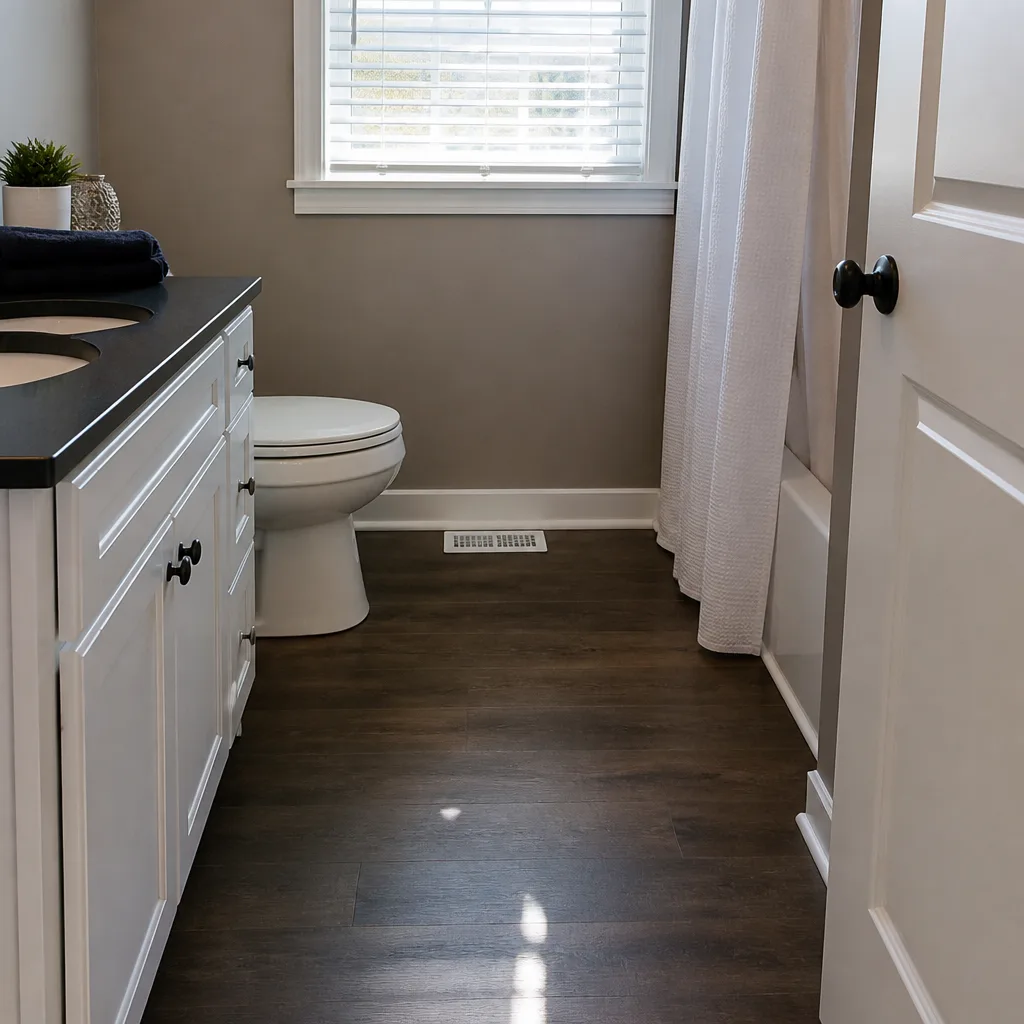

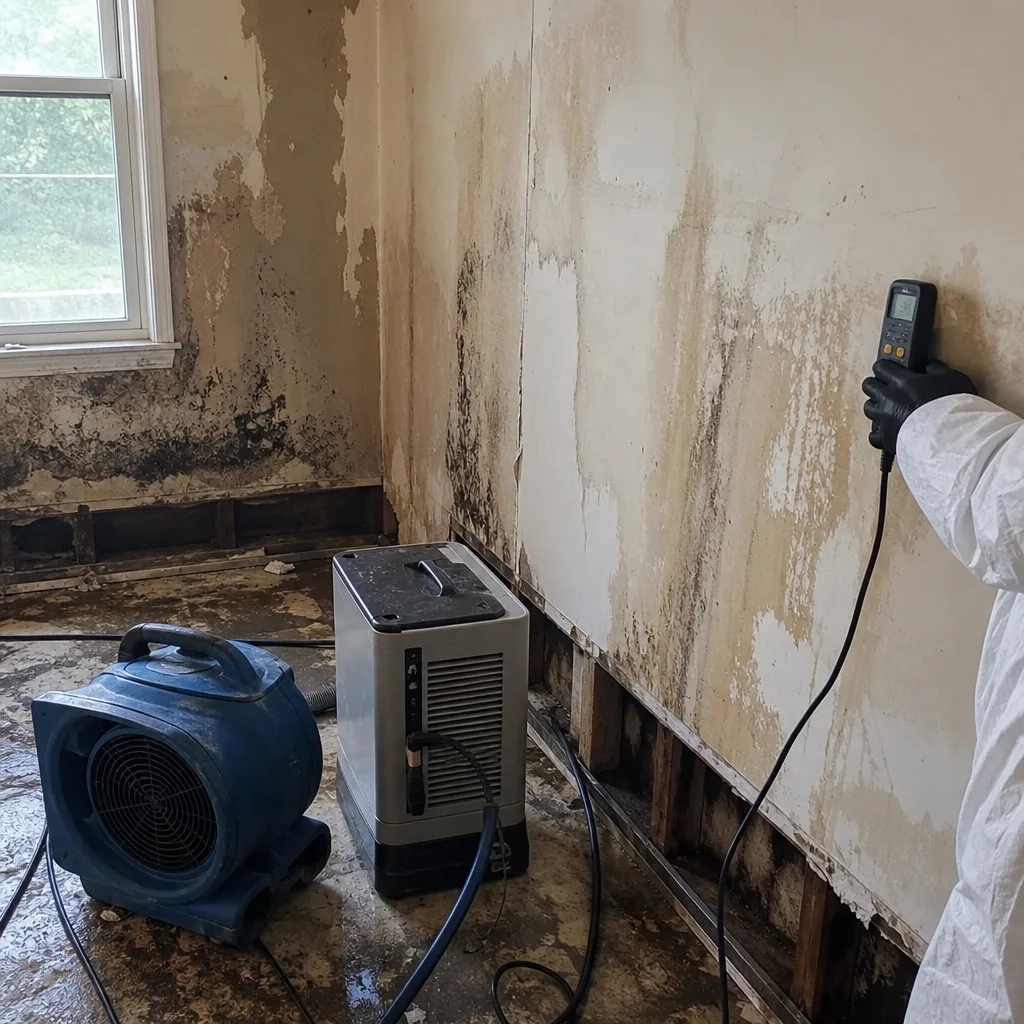 Before
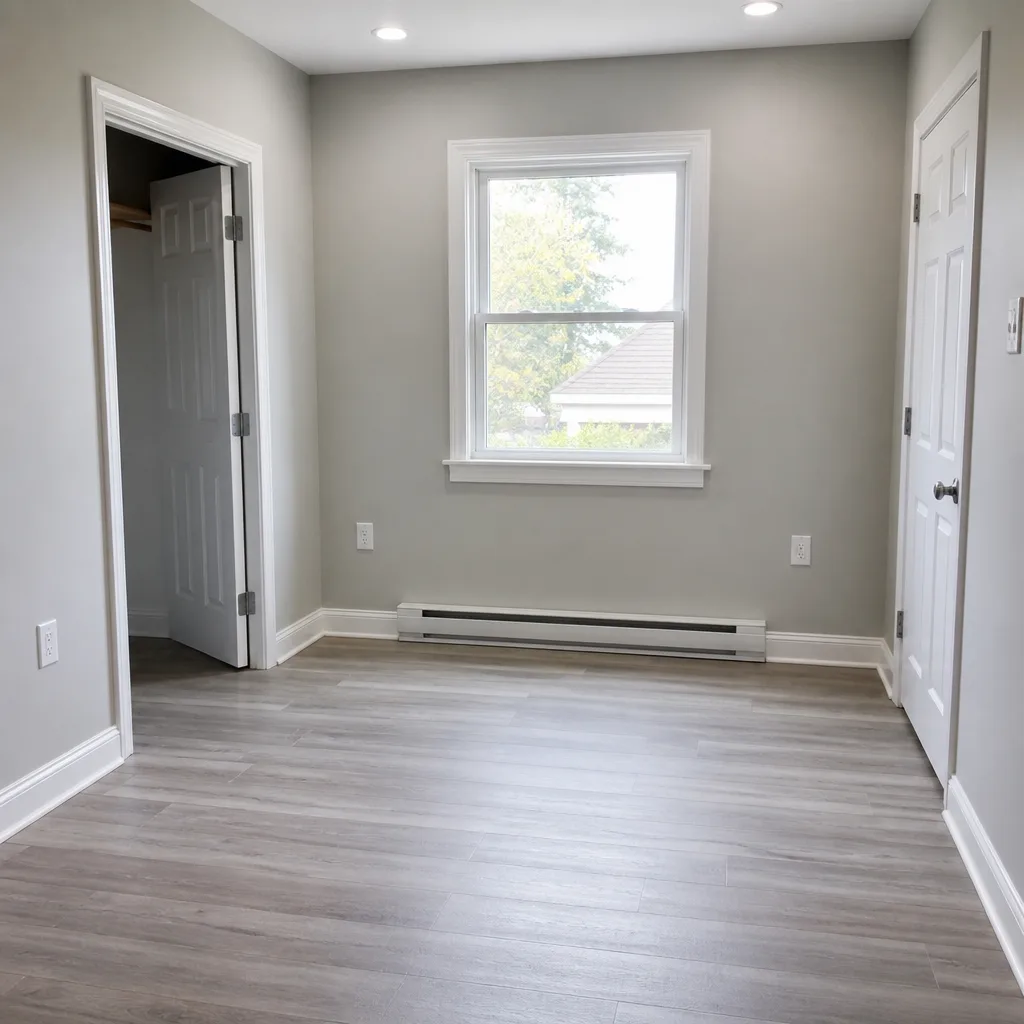 After
After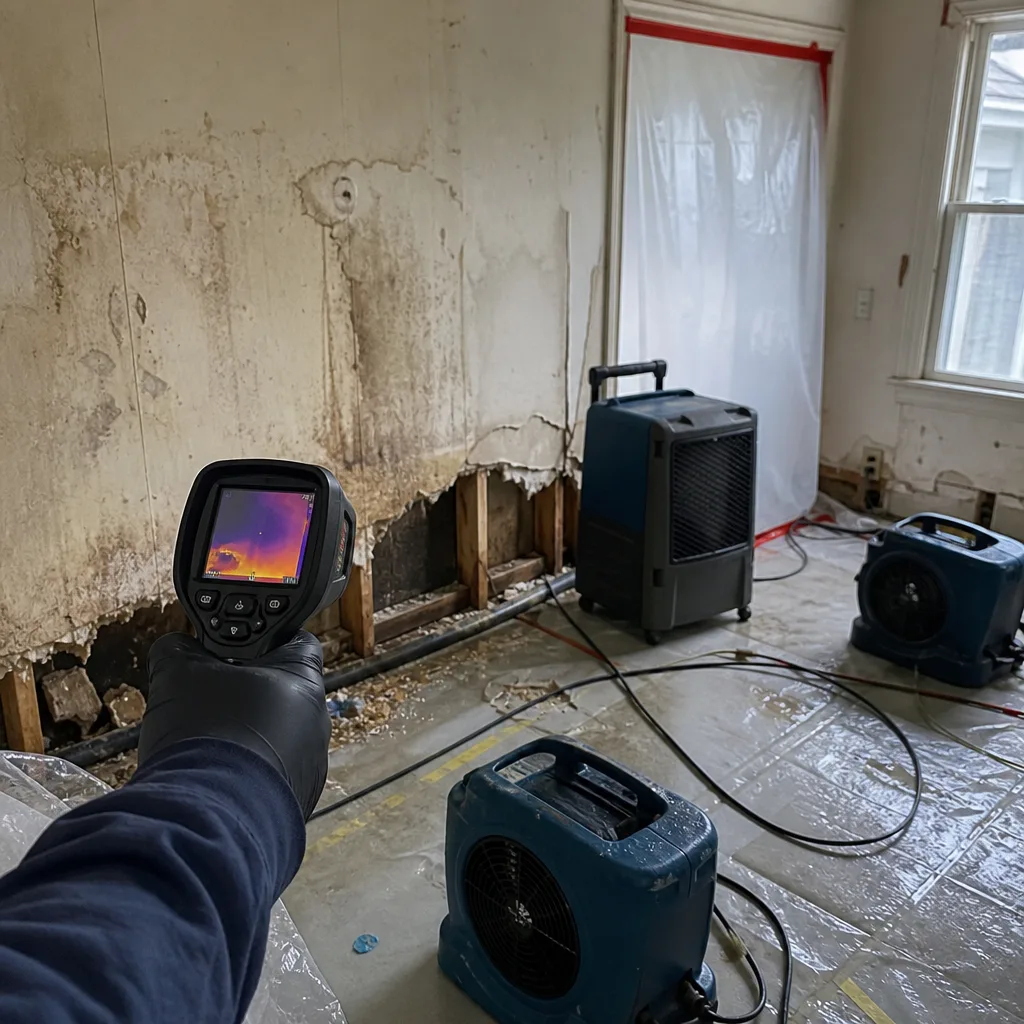 Before
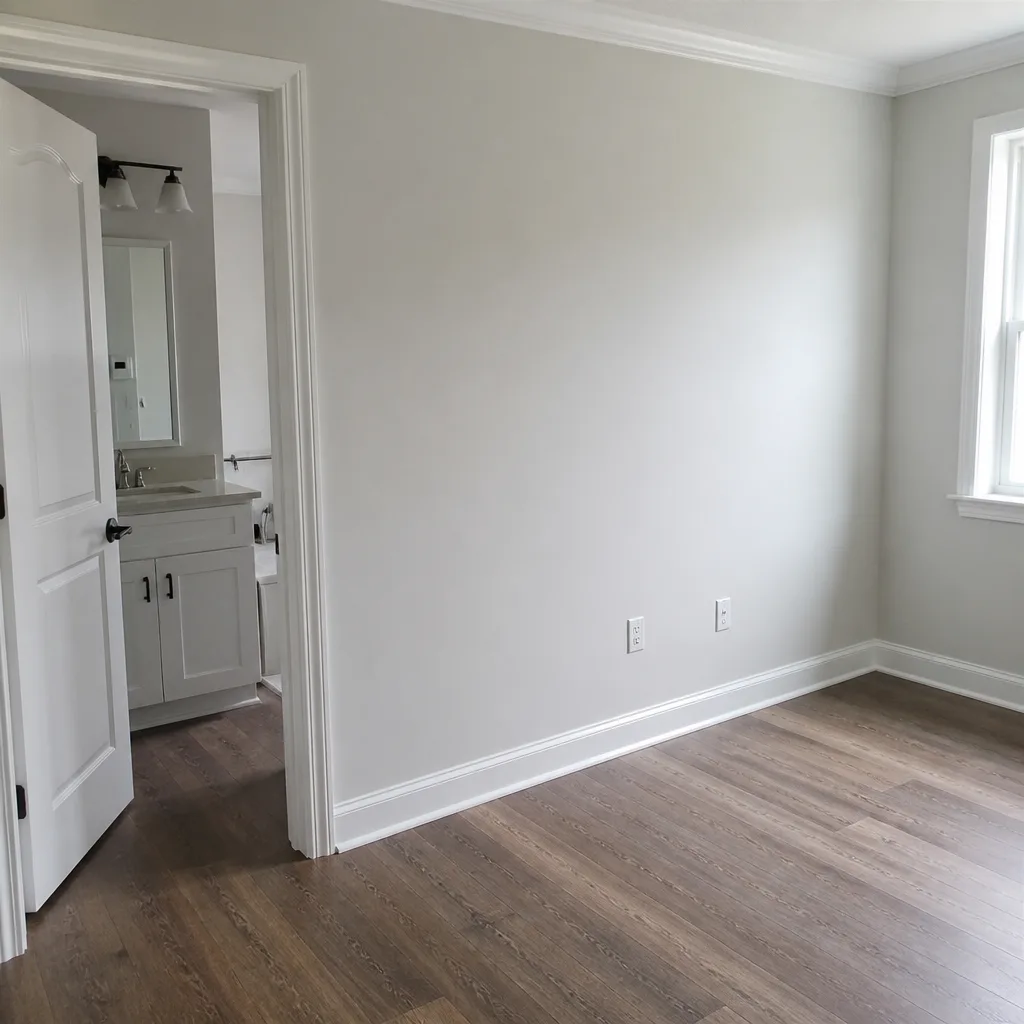 After
After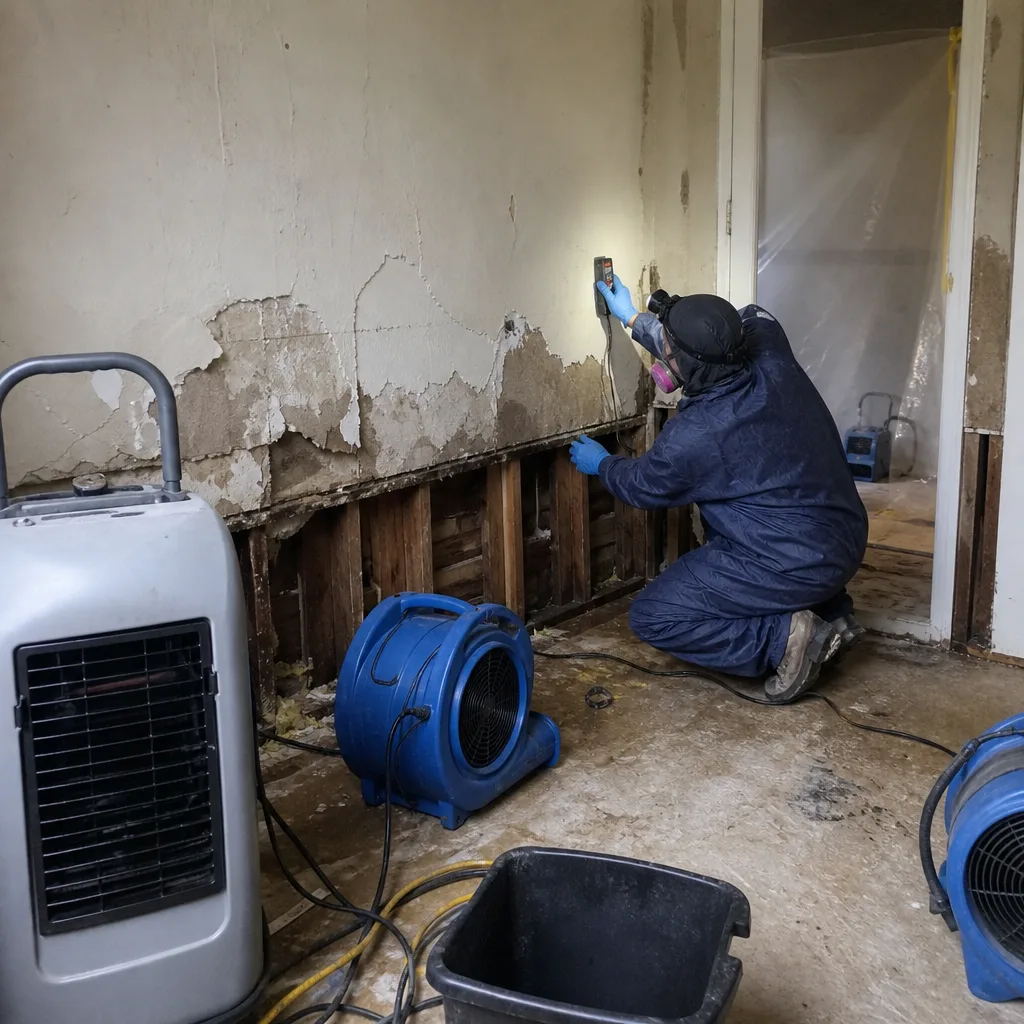 Before
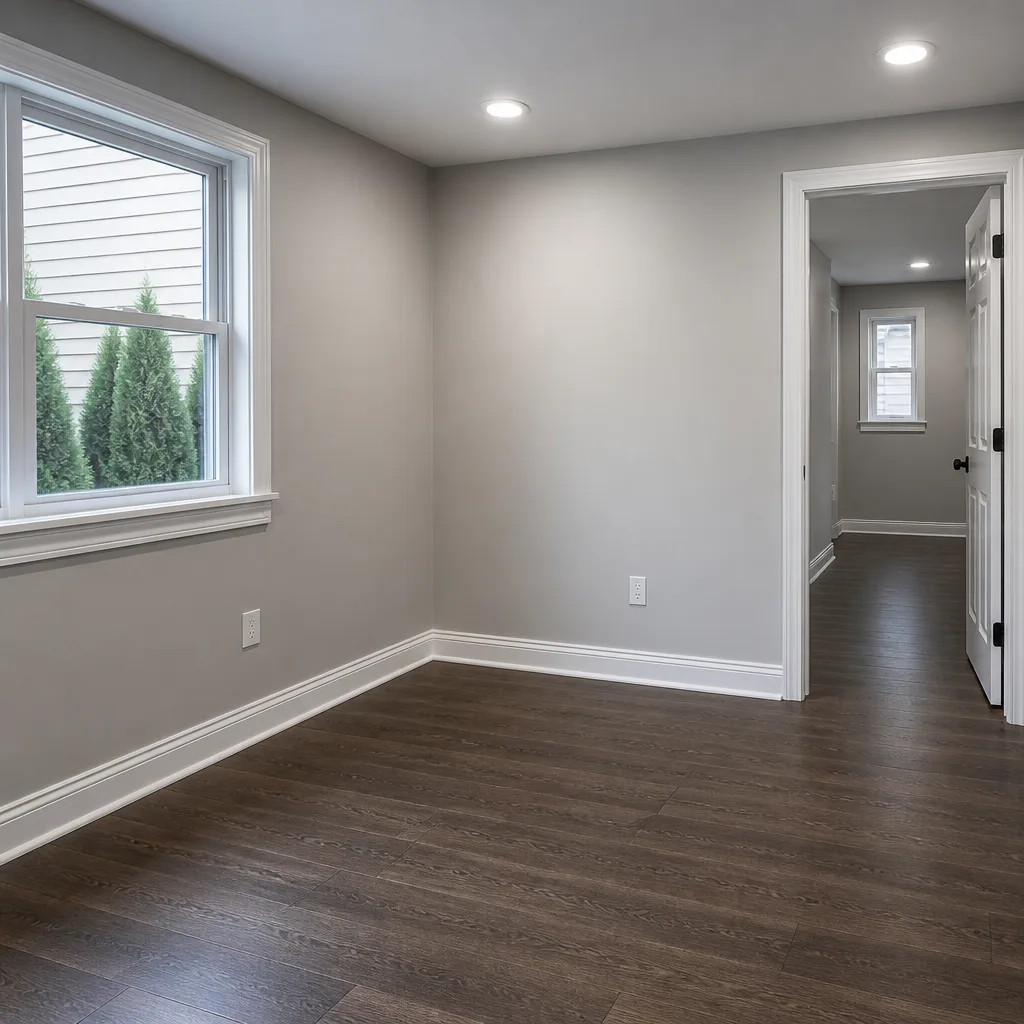 After
AfterDamage Restoration Permits, Codes & Inspections in NY: What You Need to Know
Most homeowners in New York don’t realize that a burst pipe on a Tuesday afternoon can quietly trigger a permitting requirement they won’t discover until they try to sell the house seven years later. The water extraction, the drying, the tear-out, the rebuild - each phase sits under a different set of rules, and none of them are optional when an inspector or an insurance adjuster starts asking questions. This guide walks through what actually needs a permit after a flood, fire, or mold event in New York State, how inspections work, which codes apply to restoration work, and what happens when the paperwork is skipped. We’re writing this from Glendale, where we’ve handled every phase of damage restoration since 2010, and where the local building department sees the same patterns we do: homeowners who were never told, contractors who didn’t pull, and insurance claims that stall for three months over a missing signature.
Quick Answer
In New York State, structural repairs, electrical work, plumbing alterations, and any change to a building’s floor plan after water, fire, or mold damage generally require a building permit from the local municipality, while cosmetic restoration - painting, trim, flooring replacement with the same material - does not. Emergency mitigation like water extraction and drying can proceed without a permit, but the reconstruction that follows cannot. Glendale homeowners should confirm requirements with the Queens Department of Buildings before any rebuild work begins.
Table of Contents
- What Actually Needs a Permit After Damage
- What Doesn’t Need a Permit (And Why That Matters)
- Emergency Work: The Mitigation Window
- The Codes That Govern Restoration Work in NY
- How Inspections Work During Restoration
- The Glendale-Specific Process: What We See on the Ground
- Insurance, Permits, and Who Pulls What
- Common Mistakes to Avoid
- When to Call a Professional
- Frequently Asked Questions
- The Bottom Line
What Actually Needs a Permit After Damage
Here’s the rule of thumb our project managers use when a homeowner in Glendale asks whether something needs paperwork: if the repair changes the structure, the systems, or the layout, it needs a permit. If it returns the house to exactly what it was before, it usually doesn’t. That distinction sounds simple, but water and fire have a way of blurring it.
After a significant flood or fire, the work that commonly triggers a permit in New York includes:
- Structural framing repairs - any replacement or reinforcement of floor joists, wall studs, roof rafters, or beams. Water-soaked lumber that’s been drying for weeks often loses its load rating, and an inspector will want to see the engineering. In Glendale’s older housing stock, where many homes date to the 1920s and 1930s, this is the single most common permit we file.
- Electrical system repair or replacement - if water reached outlets, panels, or wiring, the electrical work needs a permit and a licensed electrician. Floodwater is conductive and corrosive; what looks dry in the wall can arc six months later.
- Plumbing alterations - replacing a section of supply line or drain pipe that was damaged requires a permit. Emergency shutoff or capping to stop an active leak does not, but the permanent repair does.
- Window and door replacement when the opening size changes - if framing had to be modified to fit a new unit, it’s structural work. Same-size replacement typically falls under a simpler repair provision.
- Mold remediation that involves opening walls or ceilings - in New York State, mold remediation work is regulated under Article 32 of the Labor Law, and while the remediation itself may not always require a building permit, the reconstruction after it certainly does. New York City has additional requirements specific to mold assessment and abatement, and Glendale falls under those city rules.
- Kitchen or bathroom rebuilds - once you’re replacing cabinets, moving fixtures, or changing the layout, you’re in remodel territory, and that means permits.
The single best test: ask yourself whether a home inspector at a future sale could tell the work was done. If the answer is yes, get the permit. If the answer is no - you repainted, replaced carpet with carpet, swapped a light fixture - you’re in cosmetic territory and can skip the building department.
What Doesn’t Need a Permit (And Why That Matters)
Knowing what doesn’t need a permit is just as valuable as knowing what does, because it protects you from two opposite problems: doing unpermitted work when you shouldn’t, and paying for permits you never needed in the first place.
In Glendale and across New York State, these restoration activities generally do not require a building permit:
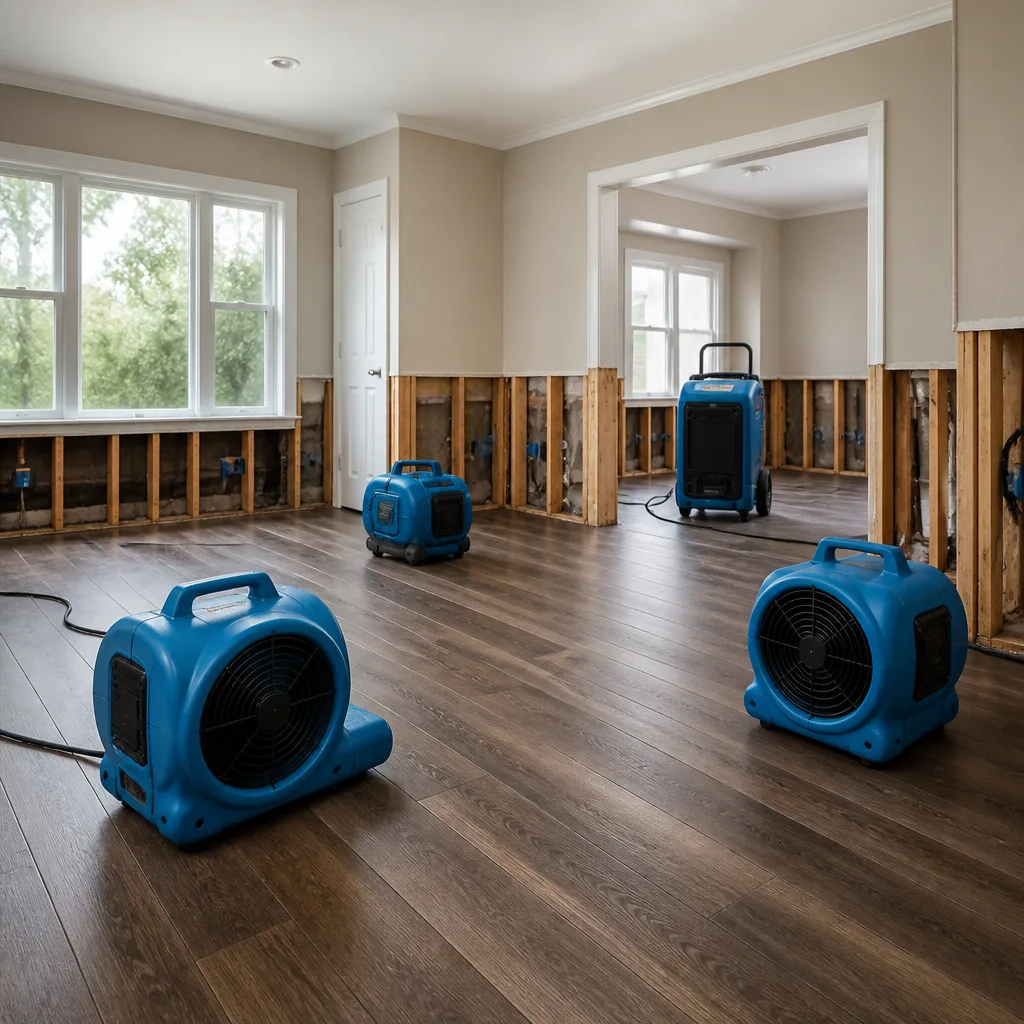
- Water extraction and structural drying - the first 24 to 72 hours of pulling water out and running air movers and dehumidifiers. This is mitigation, not construction, and no building department expects a permit for a wet vacuum and a Dri-Eaz dehumidifier. The goal is stopping damage, not altering the building.
- Paint and finish work - repainting walls or ceilings, staining trim, touching up millwork. Cosmetic by definition.
- Flooring replacement with the same material type - replacing water-damaged hardwood with new hardwood of the same thickness, or carpet with similar carpet. If you change from carpet to tile, the weight and floor assembly change, and some municipalities will want a permit. If you’re replacing like for like, you’re typically fine.
- Trim, baseboard, and casing replacement - non-structural finishing work.
- Cabinet door replacement or refacing - as long as the cabinet boxes and layout stay put.
- Insulation replacement in accessible wall or ceiling cavities - pulling soggy batt insulation and putting new insulation back is considered a repair, not an alteration, in most New York jurisdictions. That said, if you’re opening walls to do it, the wall opening itself may fall under the mold remediation rules rather than building code.
Here’s the honest caveat, and it’s one we give every homeowner before we start: “usually” and “generally” are not the same as “your local building official will agree.” Queens has its own amendments, Glendale has its own historical context, and the safest sixty seconds you’ll ever spend is a phone call to the Queens DOB before you assume anything.
Emergency Work: The Mitigation Window
When water is still running into a house, nobody is pulling a permit. That’s not how emergency response works, and it’s not how New York building departments expect it to work. The state’s building code and local enforcement are built around this sequence: stop the active damage first, then document what was done, then file for whatever the permanent repair requires.
Here’s the sequence we follow on water jobs in Glendale, and it matches what local inspectors expect:
- Stop the source. Shut off the water, kill the electricity to affected areas if water is near outlets or the panel, and call a restoration company if you haven’t already. This step requires zero permits and zero delay.
- Extract and begin drying. Standing water gets extracted with truck-mounted or portable extraction equipment. Then professional-grade air movers - we run Phoenix and XPOWER units - and dehumidifiers get placed and started. No permit needed. This is the mitigation window, and it should start the same day.
- Document everything. Photos of every affected room, moisture readings on a log, a written scope of what was wet and what was opened. This documentation is what the insurance adjuster uses, and it’s what the building department will want to see if the permanent repair requires a permit. In some cases, the documentation is the only thing standing between you and a denied claim.
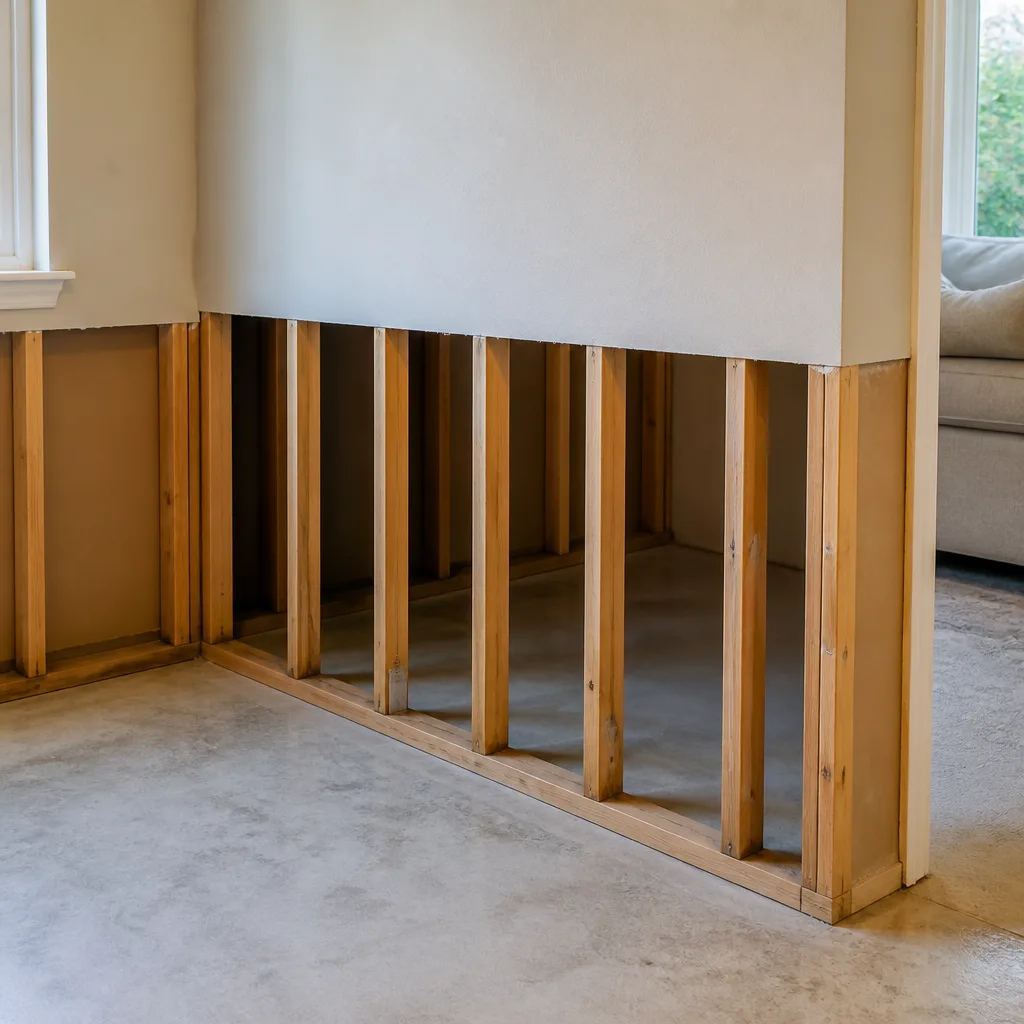
- Remove unsalvageable materials. Wet drywall, insulation, carpet, and pad get cut out and bagged. This is still mitigation, not construction. The building is being returned to a safe, dry state, not altered.
- Assess the reconstruction. Only now, once the water is gone and the damage is mapped, do we know what the permanent repair looks like. If it’s structural, electrical, or plumbing, we pull the permit before the rebuild starts. If it’s cosmetic, we confirm that in writing and move on.
The key point: the emergency response never waits for a permit, but the rebuild always does. Any contractor who tells you they can skip the permit on a structural repair “because it’s just putting it back” is asking you to carry the risk. And in Glendale, where homes sit close together and neighbors talk, unpermitted structural work has a way of surfacing at the worst possible moment.
The Codes That Govern Restoration Work in NY
New York State has its own building code framework, and New York City has an additional layer on top of it. Glendale falls under the New York City Construction Codes, which incorporate and amend the state’s Uniform Fire Prevention and Building Code. That means the answer to “what code applies?” is usually “the NYC Plumbing Code, the NYC Electrical Code, and the NYC Building Code, as amended by local law.”
The codes most relevant to damage restoration work include:
- NYC Building Code (BC) - governs structural work, fire resistance ratings, means of egress, and general construction requirements. When fire damage requires re-framing a floor or ceiling assembly, this is the code that dictates the fire rating and materials.
- NYC Plumbing Code (PC) - governs water supply, drainage, and gas piping. A sewage backup that requires replacing cast iron drain line in a Glendale house triggers this code.
- NYC Electrical Code (EC) - governs wiring, panels, outlets, and fixtures. Water-damaged wiring that gets replaced must meet current code, even if the original wiring was grandfathered.
- NYC Energy Conservation Code - this one catches homeowners by surprise. If you’re rebuilding a significant portion of a wall or ceiling, the new assembly may need to meet current insulation and air-sealing requirements. A 1930s house with original lath and plaster that gets opened for mold remediation can trigger an insulation upgrade requirement on the rebuild.
- New York State Mold Law (Article 32) - requires that mold assessment and remediation work be performed by licensed professionals, and that the assessment and remediation be done by different parties (no self-dealing). This matters in Glendale, where the housing stock is older and mold grows fast in humid summers.
One of the most counterintuitive parts of New York’s code structure is the grandfather trigger: once you open a wall for restoration, you may be required to bring the exposed systems up to current code. That’s not a penalty - it’s the law’s logic. The wall was open anyway; the code treats that as the opportunity to fix what was never to current standard. We explain this to homeowners before opening walls so there are no surprises.
How Inspections Work During Restoration
If your restoration project requires a permit, it also requires inspections. The specific inspections depend on the scope, but the typical sequence for a structural rebuild after flood or fire in Glendale looks like this:
- Rough inspection. After framing is complete and before insulation, drywall, or finishes cover it, an inspector visits to verify the structural work - joists, studs, headers, fire blocking - meets code. This is the most important inspection, because it’s the last time anyone can see the bones of the house.
- Electrical rough inspection. If wiring was replaced or extended, the electrician calls for an inspection while the walls are still open. The inspector checks wire gauge, box fill, grounding, and circuit protection.
- Plumbing rough inspection. Similar concept - pipes are pressure-tested and inspected before they’re hidden behind drywall.
- Insulation inspection. In many NYC projects, the inspector wants to see the insulation installed to the required R-value before the drywall goes up, especially if the energy code applies.
- Final inspection. After finishes are complete, the inspector signs off on the whole job and the permit is closed. This is the document you want to keep, because a future buyer’s home inspector will ask for it.
In our experience, two things slow inspections down more than anything else: scheduling gaps between trades, and missing documentation from the mitigation phase. When the inspector asks “what happened here and how was it dried?” and nobody has the moisture log, the job stops. That’s why a company that handles the full cycle from the Floodline Restoration Co. home water extraction through the rebuild keeps one continuous file: extraction log, drying log, demolition photos, permit application, inspection sign-offs, and the finished scope. One file, one accountable party, no gaps.
The Glendale-Specific Process: What We See on the Ground
Glendale sits in western Queens, a neighborhood of rowhouses, detached single-family homes, and brick construction that predates most modern plumbing and electrical systems. That context matters for restoration permits and codes in ways that don’t apply to newer suburban developments.
Here’s what we see on the ground in Glendale, job after job:
- Shared walls complicate everything. A lot of Glendale homes share party walls with their neighbors. Water damage or fire damage that affects a shared wall raises questions about who pulls the permit, what the neighbor’s insurance is responsible for, and whether the fire rating of the shared wall was compromised. We’ve handled jobs where a fire in one rowhouse required fire-sealing work in the neighbor’s wall, which required a permit that technically straddled two properties. These are solvable, but they need to be solved before the drywall goes up, not after.
- Older electrical systems fail quietly. Knob-and-tube wiring still exists in some Glendale basements. When water hits those systems, the safe play is replacement, not repair - and replacement means an electrical permit and a licensed electrician. The cost is real, but the alternative is a known fire risk.
- Flooding from tropical storms and nor’easters. Glendale sits far enough from the coast that hurricane storm surge isn’t the primary concern, but heavy rain events overwhelm the combined sewer system, and basements take on water. Sewer backups and stormwater intrusion are the two most common water claims we see in the neighborhood, and the permitting question after those events depends entirely on what got wet. If the water reached the electrical panel, the permit conversation is not optional.
- Building department response times fluctuate. We’ve seen permit reviews take two weeks and we’ve seen them take six. The timeline matters because a house that’s been gutted to the studs can’t wait indefinitely - open framing is an invitation to more problems. We file early and keep the paperwork moving.
What Glendale homeowners should take away: the rules are knowable, but they’re specific. A house built in 1925 under different codes will trip current code requirements the moment you open a significant wall. Knowing that before you start is the difference between a permit that takes three weeks and a project that stalls for three months.
Insurance, Permits, and Who Pulls What
Insurance carriers care about permits because unpermitted work affects the value of the property and the liability of the claim. If a contractor does structural work without a permit and something fails later, the insurance company’s subrogation department - the people who try to recover money from the responsible party - will have questions.
Here’s how the permit and insurance relationship typically works after a covered loss in Glendale:
- The permit itself is usually covered. Building permit fees associated with a covered loss are generally reimbursable under the “building ordinance or law” coverage or as part of the repair cost. The coverage limit for code upgrades varies by policy - common limits are 10% of the dwelling coverage or a specific dollar cap. This is worth reading in your policy before you need it.
- The contractor pulls the permit. On restoration jobs, the licensed contractor who does the work typically pulls the permit. The homeowner is the permit applicant of record on the application, but the contractor prepares and files it. Any company that refuses to pull a required permit is telling you something important about how they operate.
- Direct insurance billing removes the messenger problem. We bill the carrier directly for covered work, which means the homeowner never funds the permit and waits for reimbursement. The permit, the inspection fees, the code upgrades - they’re all on the same invoice that goes straight to the adjuster. That’s the way it should work, and in our 15 years of serving Glendale, we’ve found it’s the single most effective way to keep a claim moving.
- Documentation quality affects claim speed. An insurance adjuster who receives a claim file with the permit application, the daily moisture log, photo documentation from start to finish, and the final inspection sign-off can close that claim in days, not weeks. We’ve closed complex fire restoration claims in Glendale where the adjuster remarked that the file was the most complete they’d seen that year. That’s not luck - that’s process.
The bottom line on insurance: the permit is not a bureaucratic obstacle. It’s the document that proves the work was done legally and correctly, and both your insurance carrier and your future buyer want to see it.
Common Mistakes to Avoid
- Skipping the permit on structural work because “it’s the same house it was before.” The logic sounds reasonable, but the code doesn’t treat “returning to original condition” as an exemption when the work is structural. A replaced floor joist is still structural work, and when the next homeowner’s inspector finds it, you’ll be negotiating the illegal work disclosure.
- Letting the contractor decide without documentation. We’ve seen Glendale homeowners take a contractor’s verbal “you don’t need a permit for this” as fact. Then the wall cracks six months later and there’s no permit on file. Get the determination in writing. A legitimate contractor will put it in the scope document.
- Treating mold remediation as a simple cleaning. New York State law requires licensed mold assessors and remediators for projects above certain thresholds, and the work involves containment, air filtration, and clearance testing. Painting over mold with Kilz is not remediation, and it creates a disclosure problem if you ever sell.
- Not checking the property’s permit history before buying in Queens. Glendale homes change hands, and previous owners may have done unpermitted work. A pre-purchase code review at the Queens DOB is cheap insurance. If you bought a home with unpermitted work, that’s your liability now.
- Assuming “flood insurance” means the building permit is covered. Flood insurance policies (NFIP or private) cover building repair and permit costs up to policy limits, but code upgrade coverage is a separate consideration. A Glendale homeowner with a basement flood and a standard NFIP policy may find that code-mandated electrical upgrades aren’t covered unless they specifically purchased the coverage.
- Waiting to file the claim or the permit. The longer you wait, the harder it is to prove the damage was from the covered event and to document the scope. File early, file accurately.
- Hiring a “restoration” company that only does cleanup. Some companies will extract water and dry the house, then hand you off to a general contractor who doesn’t know what the drying log said. That handoff is where permits get lost and accountability disappears. One company, one scope, one permit file - that’s the standard to look for.
When to Call a Professional
Any time structural damage is suspected, a professional assessment is the right first call. That’s true if water reached the electrical panel, if fire touched framing, if sewage backed up into the living space, or if mold is visible on more than ten square feet of material. These situations carry code implications and health risks that a homeowner shouldn’t manage alone. The same goes for any job where the insurance adjuster is asking for proof of proper mitigation. Floodline Restoration Co. offers free estimates in Glendale - call (845) 482-0653 and we’ll walk the property with you, document what we see, and tell you honestly what needs a permit and what doesn’t. No pressure, no oversell. A written scope agreed before work starts.
Frequently Asked Questions
Water extraction and drying do not require a permit, but any structural, electrical, or plumbing repair that follows does. In Glendale, that means a burst pipe that soaked your finished basement can be extracted and dried immediately, then the framing, electrical, or drywall replacement that follows may require a Queens DOB permit depending on the scope.
The contractor typically prepares and files the permit application, with the homeowner listed as the applicant of record. A reputable restoration company in Glendale will handle this end to end, including coordinating inspections with the Queens DOB. Be wary of any contractor who asks you to pull the permit yourself or suggests skipping it.
Most homeowner’s policies include coverage for building permits as part of the repair cost, and many include a specific “ordinance or law” coverage amount for code-mandated upgrades. The amount varies by policy. Your restoration company should bill these costs directly to your carrier as part of the claim, so you’re not fronting the money.
New York State requires disclosure of known unpermitted work, and a buyer’s home inspection will often find it anyway - especially structural or electrical work. At best, you’ll negotiate a price reduction. At worst, you’ll be required to open walls, get retroactive permits, and pay penalties. The Queens DOB keeps records for years.
Simple repair permits in Glendale can be approved in as little as two to three weeks; complex structural rebuilds take longer, especially if the building department requests engineering review. Your restoration contractor should file as soon as the scope is known, because the rebuild can’t legally begin until the permit is issued.
Yes. New York State’s Mold Law (Article 32 of the Labor Law) requires licensed assessors and remediators for many mold projects, and New York City has additional requirements. Painting over mold or treating it as routine cleaning creates a legal liability, especially in a humid climate like Queens where mold recurs if the moisture source isn’t addressed.
The Bottom Line
Permits and codes after a flood or fire are not the enemy of a fast recovery - they’re the documentation that protects your home’s value, your insurance claim, and your family’s safety. The rules split cleanly: mitigation is immediate and permit-free, reconstruction is scoped and permitted, and the line between them is knowable. Glendale homeowners face specific challenges: older housing stock, shared walls, combined sewers that back up in heavy rain. The smart play is a restoration company that handles the whole cycle from extraction through final inspection, keeps one continuous file, and bills the carrier directly. If it’s not done right, it’s not done. We back that in writing.
Written by Curt Bowman, Owner at Floodline Restoration Co., serving Glendale since 2010.