
Last updated August 25, 2026
Free visual inspection and a written scope of work before any mitigation begins - photos, moisture readings, and drying logs go in your claim file
The scope we write is the scope we bill. Anything new gets shown to you, in writing, before we touch it.



 Before
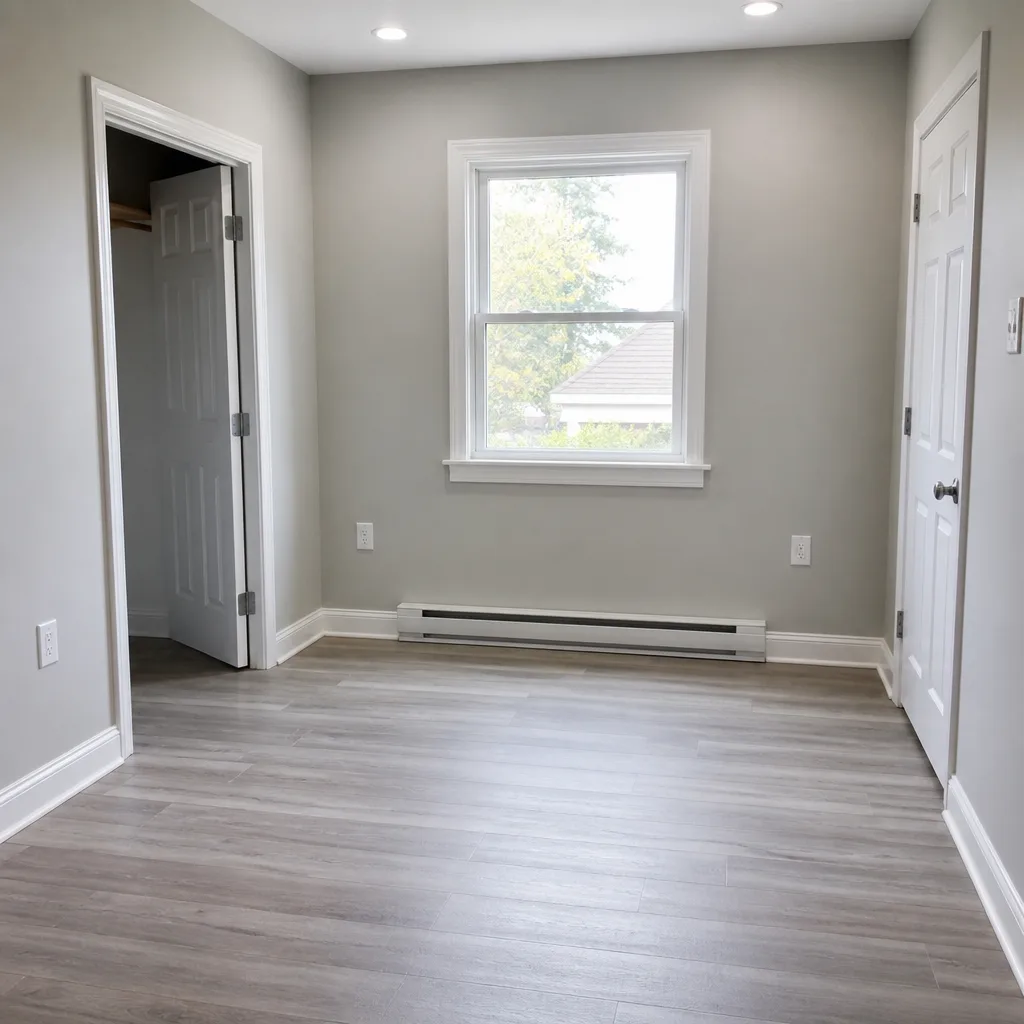 After
After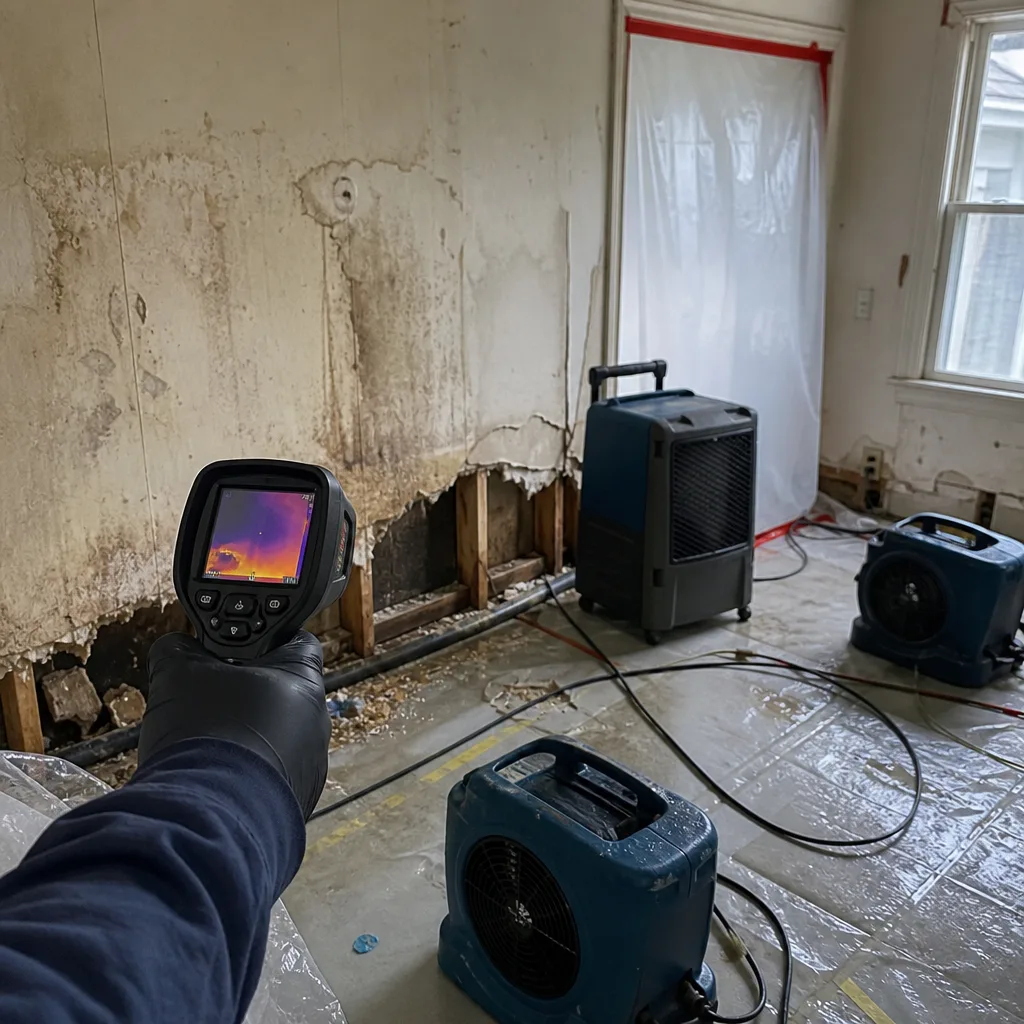 Before
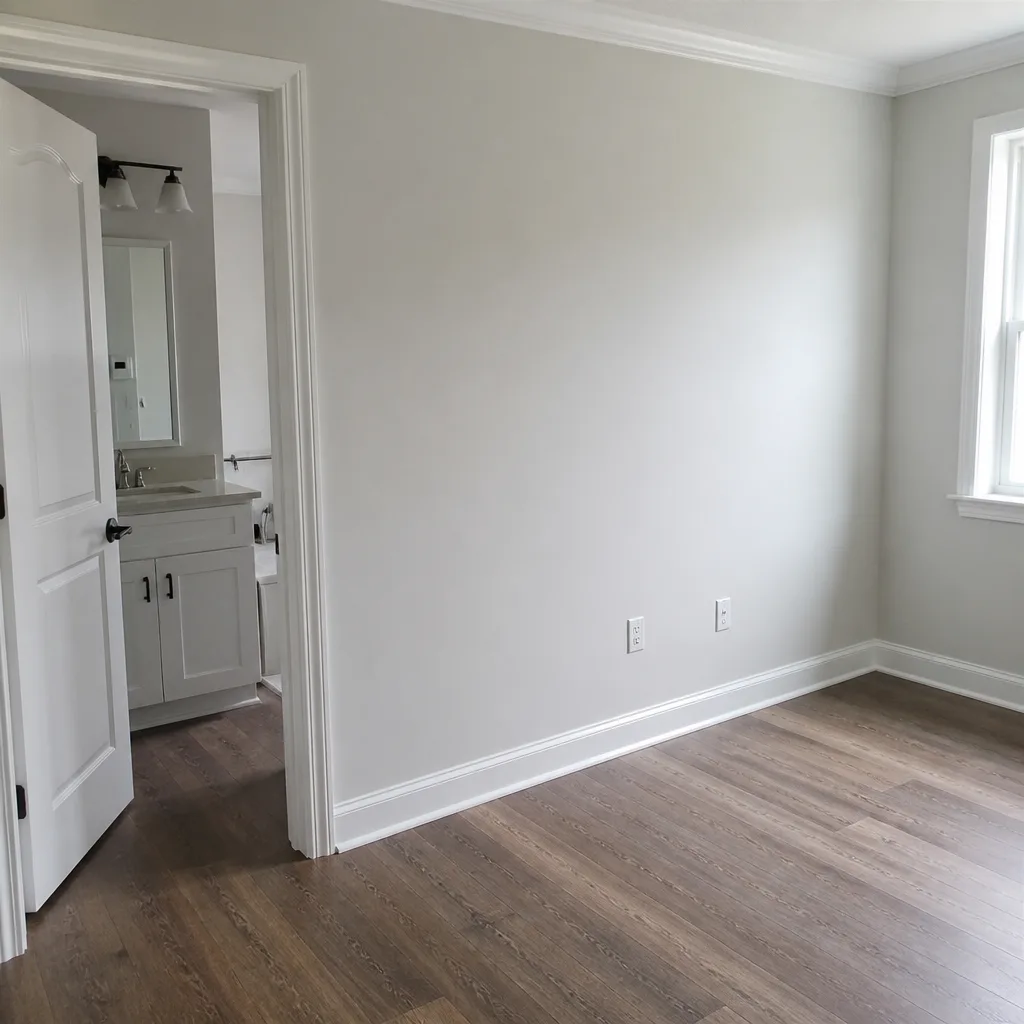 After
After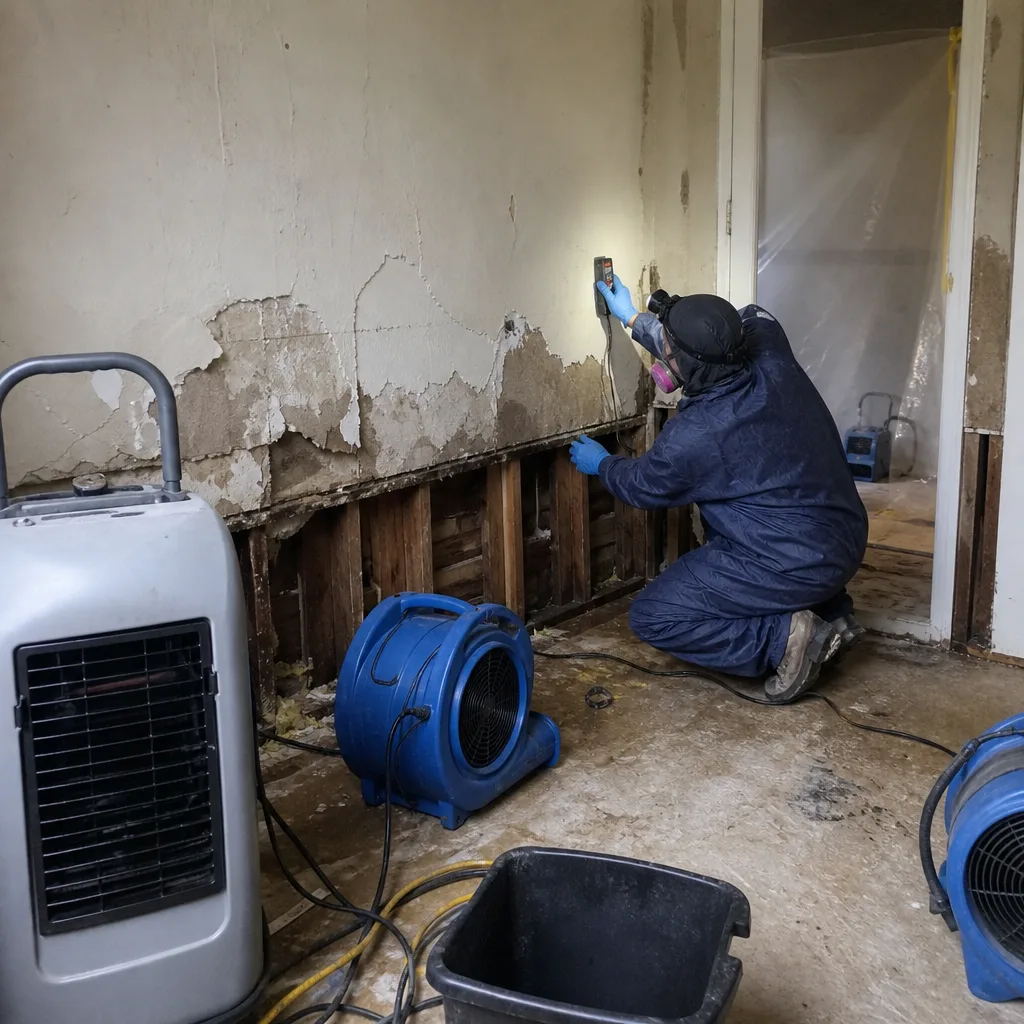 Before
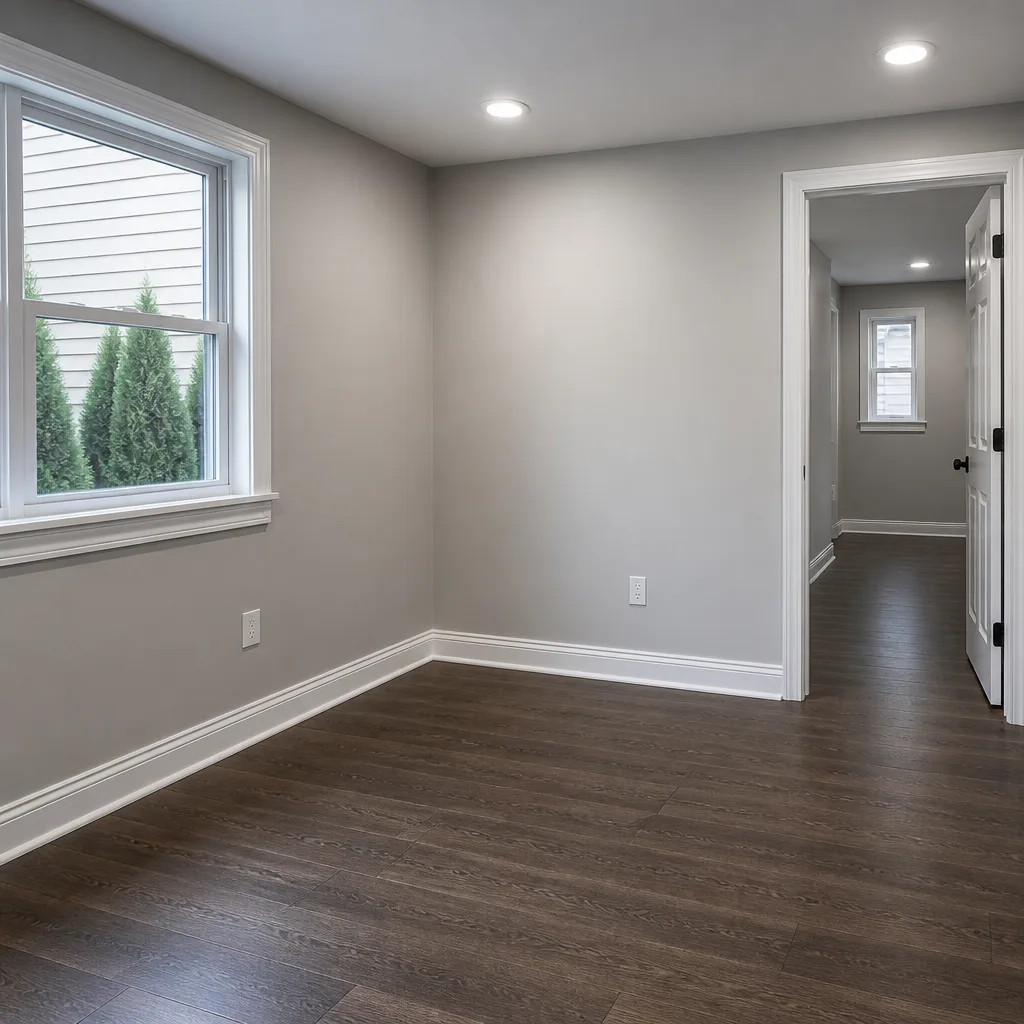 After
AfterHow to Hire a Damage Restoration Contractor in Glendale: A Step-by-Step Guide
Most homeowners in Glendale won’t hire a restoration contractor until a pipe has already burst in the basement or a summer storm has pushed water through a window well. That’s understandable. What isn’t as obvious is this: the first phone call you make after the damage is often the most consequential decision in the entire recovery. A contractor who shows up fast but cuts corners on drying will leave you with mold inside the walls six months later. Someone who quotes low and subcontracts the work will vanish when the adjuster asks questions. This guide walks through the full process of hiring a Glendale restoration contractor who will actually finish the job, from the first call to the final invoice. You’ll learn what to ask, what to watch for, and how to avoid the industry’s most common traps.
Quick Answer
Hiring a damage restoration contractor in Glendale comes down to five decisions, in order: confirm the company’s license and insurance before anyone steps inside, ask who owns the job from extraction through rebuild, get a written scope of work before equipment is set, make sure the contractor bills your insurance carrier directly, and demand daily moisture readings in writing. Companies that answer all five questions clearly, without hedging, are the ones that finish the job. Those that push back on any one of them are the ones that hand the job off, bill the homeowner, or leave the walls wet.
Table of Contents
- Step 1: Confirm License, Insurance, and Certifications Before Anyone Walks In
- Step 2: Ask Who Owns the Job From Extraction Through Rebuild
- Step 3: Get a Written Scope of Work Before Equipment Is Set
- Step 4: Understand How Insurance Billing Works in Glendale
- Step 5: Ask About Equipment, Drying Standards, and Daily Readings
- Step 6: Look for Local Roots and a Written Guarantee
- Common Mistakes to Avoid
- When to Call a Professional
Step 1: Confirm License, Insurance, and Certifications Before Anyone Walks In
The first question to ask any Glendale restoration contractor is not about price. It’s about paperwork. Restoration work involves water, sewage, mold, and sometimes fire residue. A contractor without the proper credentials is exposing you to liability the moment they step through your door. We recommend asking for three things before you even schedule an estimate:
- License and insurance: New York requires restoration contractors to carry specific coverage for property damage and worker’s compensation. Ask to see the certificate. Any legitimate company will produce it without hesitation. A company that hesitates is telling you something.
- Certifications: The recognized standards in our industry come from IICRC, RIA, and IFA. These are not decorative. They mean the technician was trained to measure moisture, set drying chambers, and document the job in a way that insurance carriers accept. At Floodline Restoration Co., every technician is background-checked, uniformed, and trained to these three standards.
- Who will actually be in your home: Restoration in Glendale sometimes gets sold by one company and performed by another. Ask who employs the crew and whether they’re employees or subcontractors. This matters for accountability. A company you can’t reach when something goes wrong is not a company you want.
The Glendale angle matters here. This is an older, established residential area in Queens. Homes range from 1920s brick colonials to post-war single-family houses. The age of the building stock means restoration work often involves materials that require some finesse: plaster walls, older electrical, hardwood floors that have already been refinished once. A contractor who knows the difference between drying a 1940s lath-and-plaster wall and a modern drywall cavity will make different decisions. The certifications matter because they signal that training. Asking for them upfront is not aggressive. It’s a basic filter.
One more thing worth noting, and we’ll keep this brief: a license number is not a credential we can give you here. It belongs to the company’s own paperwork. What we can tell you is that a company serving Glendale for over 42 years combines that with local accountability. We’ve been at this since 2010, and the answer to “are you licensed and insured?” is always yes, in writing, before work begins.
Step 2: Ask Who Owns the Job From Extraction Through Rebuild
This is the point where most restoration relationships break down, and the reason homeowners end up playing messenger between a drying company, a general contractor, and an insurance adjuster. The industry has a structural problem: many companies only handle the extraction and drying phase. They pull the water out, set fans, hand you a moisture log, and then hand you a referral to someone else for the rebuild. That handoff is where momentum dies, budgets balloon, and homeowners get stuck explaining the same story twice. Maybe three times.
Before you hire anyone in Glendale, ask them directly: does your crew handle the full cycle, or do you stop at drying and refer out the rebuild? Listen carefully to the answer. A company that keeps the job whole, with the same crew doing daily moisture readings and then rebuilding the drywall, the flooring, and the trim, is a company that can’t blame someone else for a bad result.
At Floodline Restoration Co. home, we start at the floodline. That’s the mark the water left on the wall. It’s the honest baseline. From there, one crew handles the extraction, the drying, the daily readings, and the reconstruction. There’s no mid-job handoff to a stranger. The person who wrote the moisture map on day one is part of the same team that hangs the drywall on day ten. That continuity changes how careful people are. When your own name is on the whole job, you dry it like you’re going to rebuild it, because you are.
For Glendale homeowners, this matters in a specific way. Many of these houses have been lived in for twenty or thirty years. The rooms have history. The flooring matches, the trim profiles match, the door casings were set by somebody’s uncle. A split restoration process means those details get lost in translation. A whole-cycle company keeps them. Ask the question before you sign anything.
Step 3: Get a Written Scope of Work Before Equipment Is Set
This is the single most protective thing a Glendale homeowner can do, and the one most commonly skipped. The scenario we see too often: a pipe bursts at night, a contractor arrives, sets fans and dehumidifiers, and the homeowner doesn’t know what the total job will cost until the invoice arrives weeks later. The drying phase is aggressive by design, because it has to be. But an aggressive start without a written scope is how surprise bills happen.
The fix is simple. Before any equipment gets placed in your home, get a written scope of work. It should list what’s being done, in what order, with clear milestone numbers. It doesn’t have to be a 40-page legal document. It does have to be specific enough that you and the contractor both know what “done” means. A proper scope for a Glendale water loss should include:
- Extraction: how much water is being removed, from where, and with what equipment.
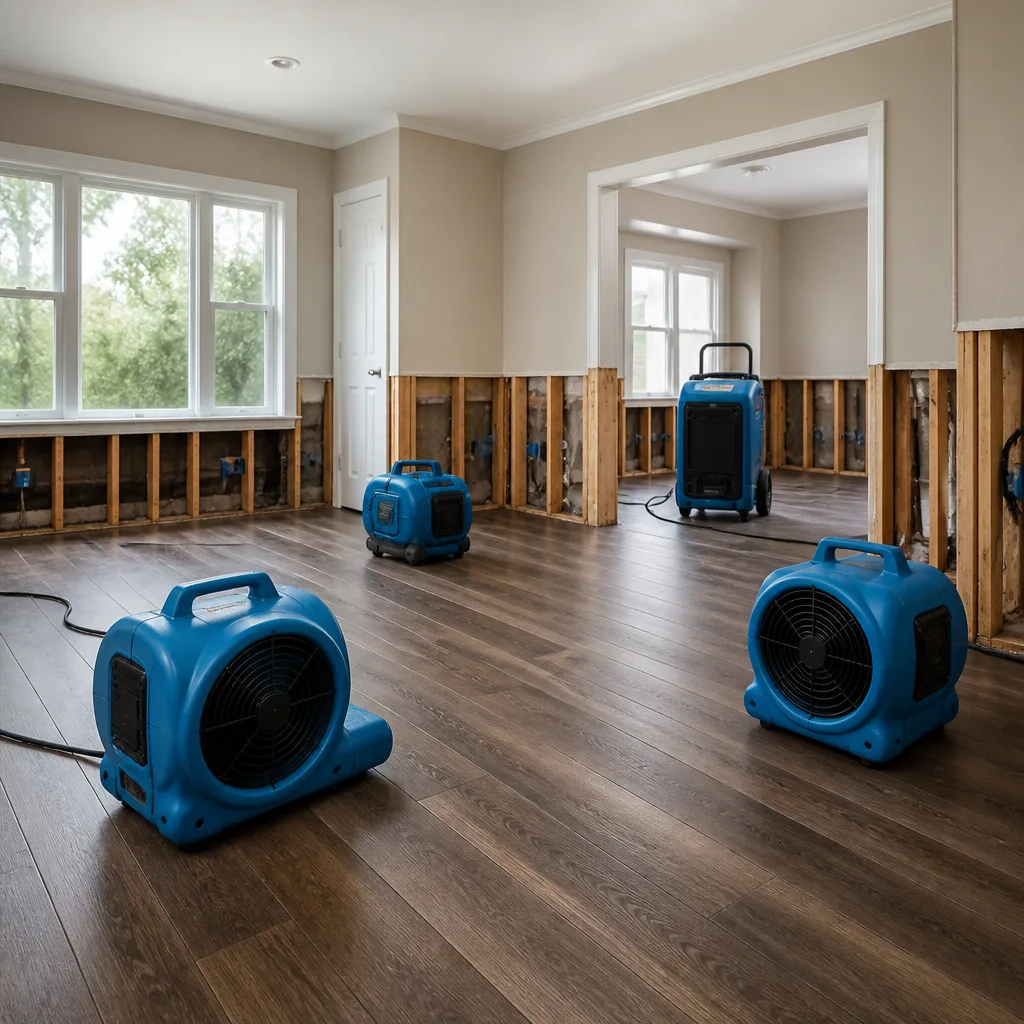
- Drying plan: how many air movers and dehumidifiers, where they’ll be placed, and how long the drying chamber is expected to run.
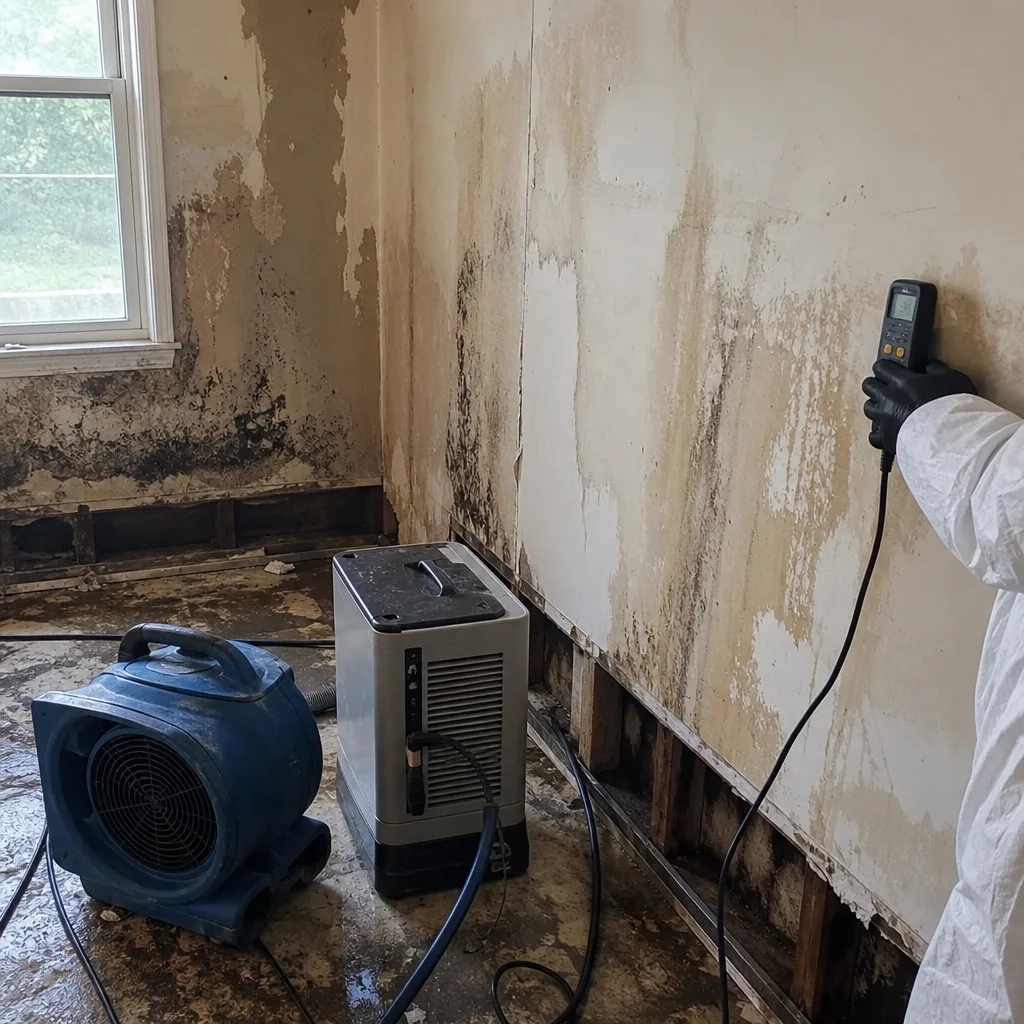
- Moisture monitoring: a commitment to daily readings, logged and shared with you and your insurance carrier.
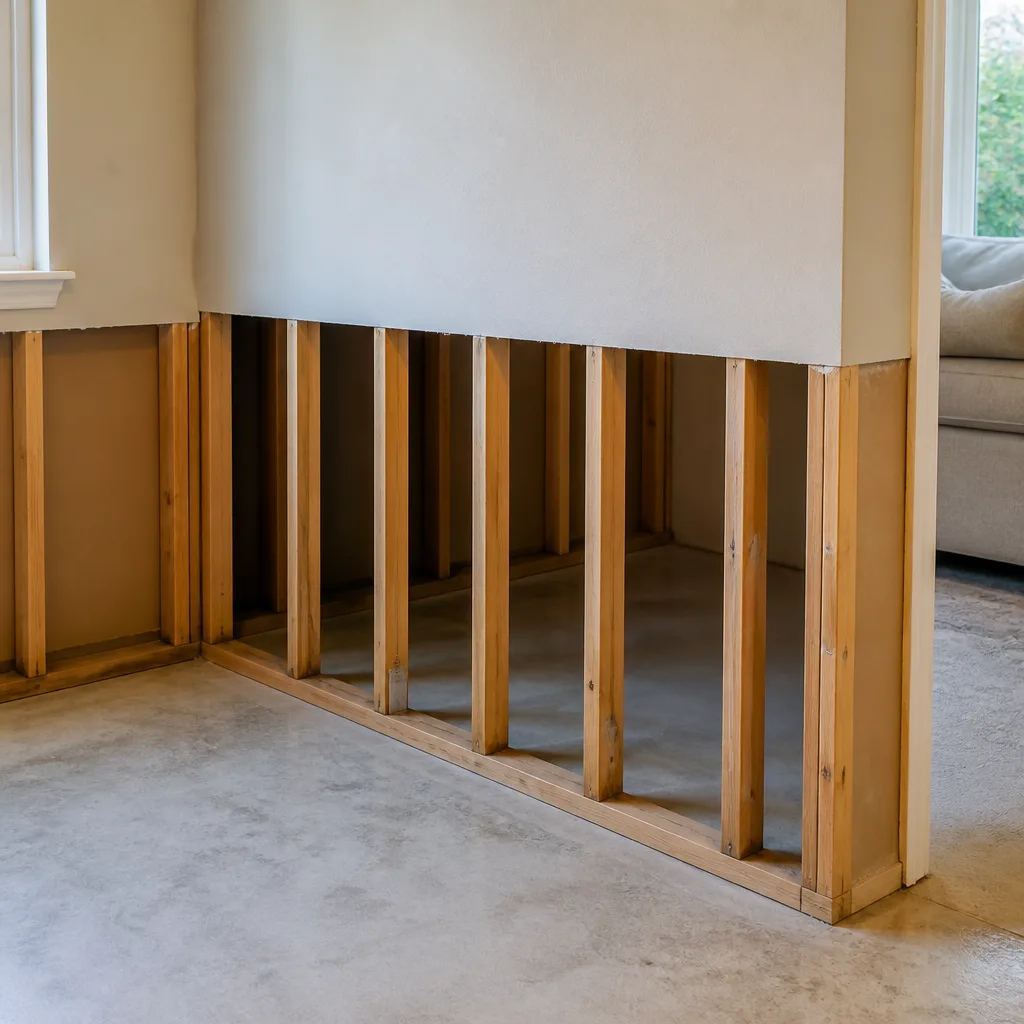
- Demolition scope: exactly which materials are being removed and why, including baseboards, drywall, insulation, and flooring.
- Rebuild scope: what goes back in, to what standard, with what materials.
- Billing arrangement: who pays whom, and when.
Floodline Restoration Co. does this on every job. We call it a square deal: no surprises on the bill. The scope is agreed in writing before the first fan turns on. You’re never guessing what comes next. And the scope stays referenced through the entire job. If the adjuster questions a line item, the scope answers it. If you wonder why a wall came down, the scope explains it. This is the difference between a company that wants to be held accountable and one that would rather not be.
Step 4: Understand How Insurance Billing Works in Glendale
Insurance is almost always in the room when a Glendale home has water, fire, or storm damage, even if nobody says so in the first phone call. Homeowners carry policies for exactly this reason. But the billing relationship between restoration contractor, homeowner, and carrier is where a lot of unnecessary friction lives. Here’s how to keep it clean.
Some contractors bill the homeowner directly and hand over a receipt for the homeowner to chase through their own insurer. That puts you in the messenger role: a middleman between two parties who speak different languages. Other contractors bill the carrier directly, with photo documentation, daily moisture logs, and a clear scope attached. That’s the model that takes you out of the loop. At Floodline Restoration Co., we bill the carrier directly and coordinate with the adjuster ourselves. Homeowners in Glendale don’t need to become insurance experts to get their house dried. They need a contractor who already is one.
Here’s what photo documentation actually means on a real job. Before we touch anything, we photograph every affected area with measurements for scale. Every cut, every removed baseboard, every affected wall cavity gets documented. Those photos go to the carrier along with the scope. When the carrier asks why a particular section of flooring was removed, the answer is already in the file. This discipline exists because it works. Carriers respond to evidence, not to claims. A contractor who can’t produce photo documentation on demand is asking the carrier to trust them on vibes. Carriers don’t.
For Glendale specifically, this matters because the housing stock here is older and the claims process can stretch. Direct insurance billing with strong documentation keeps the claim moving. It also keeps you out of the worst position a homeowner can be in: having paid a contractor out-of-pocket for work the carrier later disputes. Avoid that. Ask the billing question upfront, in the first call.
Step 5: Ask About Equipment, Drying Standards, and Daily Readings
A restoration company’s equipment tells you more about its standards than any marketing language. In our trucks in Glendale, you’ll find Dri-Eaz dehumidifiers, Phoenix air movers, and XPOWER fans. These are the brands professionals use. The kind that get rented by the week from big-box stores are not the same thing. Professional-grade equipment moves more air, pulls more moisture, and lasts through multi-day drying jobs without breaking down. It’s a signal. A company that invests in serious equipment is planning to be around long enough to use it again.
The equipment matters because drying is a physical process, not a vibes-based one. Wet drywall doesn’t dry because someone is optimistic. It dries because air is moving at a specific rate, the relative humidity is controlled, and the moisture content of the affected materials is measured daily and logged. That daily log is the most underrated document in the entire restoration process. It tells you whether the drying plan is working. It tells your carrier that the work was done to standard. And it tells the next homeowner, months later, that the walls were actually dry before they were closed up.
When you’re interviewing a contractor in Glendale, ask this exact question: who reads the moisture meter every day, and do I get a copy of the log? A company that says yes without hesitation is running a real drying program. A company that says the equipment will just run until it feels dry is not. We run daily readings until the dry standard is met, not until the calendar says it’s been long enough. The log goes to you and to the carrier, in writing, every day. That’s what accountable looks like.
Step 6: Look for Local Roots and a Written Guarantee
Every company’s website says it’s local. But restoration work in Queens has a long memory, and the fly-by-night companies tend to disappear as fast as they arrive. When you’re hiring someone to tear open walls in a home you’ve lived in for twenty years, you want a company that plans to be in town in thirty. Local roots mean something concrete. It means apprentices trained into journeymen who stay. It means the person on the phone knows the difference between a Glendale block with basements prone to groundwater and one with cast-iron drain lines reaching the end of their life. It means when something needs to be made right, the person who made the promise can be found.
Floodline Restoration Co. has been serving local communities for over 42 years, built on the principle that a company that plans to be around answers the phone with a person. We were founded in 2010 around a dispatch board, not a sales desk. Calls are answered by a live person, 24/7. At two in the morning, you don’t get a recording. You get a dispatcher who starts the process. That’s not a marketing line. It’s the operating reality of a local company.
Then there’s the guarantee. Ask any contractor you’re considering what they’ll do if the work doesn’t hold up. See if they’ll put it in writing. Floodline Restoration Co. backs every job with the 90-Day Done Right Promise, known internally as the Keystone Standard. It’s written, not verbal. If it’s not done right, we make it right. No arguing, no paperwork battles. The promise is tied to our K.E.Y.S. values code: Krafted right, Every time, Your home first, Standing behind it. That’s how we work in Glendale. A square deal, in writing, with a name you can hold accountable.
Common Mistakes to Avoid
- Calling the cheapest company first. The company that underbids on water damage is often underbidding on drying time. In Glendale, where older basements hide moisture in foundation walls, under-drying turns into a mold problem six months later.
- Skipping the written scope. Verbal promises don’t stand up to an insurance adjuster or a disputed invoice. A written scope does. Get it before equipment goes in.
- Letting the drying phase end too early. A company that pulls fans after three days without hitting the dry standard is not doing you a favor. It’s setting up a callback. Demand daily readings and a dry-standard sign-off.
- Hiring a company that hands off the rebuild. The handoff is where accountability dies. One company, one crew, from extraction through rebuild. Ask before you sign.
- Paying out of pocket before the carrier approves the scope. Direct insurance billing exists for a reason. Let the contractor work with the adjuster, not against the homeowner.
- Ignoring the 24/7 question. Water in Glendale doesn’t respect business hours. If a contractor doesn’t answer the phone at night, the water wins the first twelve hours. Ask who picks up at 2 a.m.
- Not asking about the guarantee. A company that won’t put its promises in writing is betting you won’t call back. A company that writes them in is betting you will, and it’s prepared to make it right.
When to Call a Professional
Some damage is obvious: a burst pipe, a flooded basement, a kitchen fire. The call is easy. But the harder cases are the quiet ones. A musty smell that comes and goes. A water stain on a ceiling that’s been there for a month. A wall that feels cold and damp in one spot. These are the situations homeowners in Glendale often sit on, hoping they’ll dry out on their own. They won’t. Moisture trapped in a wall cavity becomes a mold problem, and a mold problem behind drywall spreads before you see it. If water has been present for more than 48 hours, or if you can smell something that isn’t right, don’t wait. A professional with a moisture meter can find the problem in an hour. Floodline Restoration Co. offers free estimates in Glendale. Call (845) 482-0653. If nothing’s wrong, you’ll know. If something is, you’ll be glad you found it early.
Frequently Asked Questions
Water damage restoration in Glendale typically runs from $1,200 for a small, contained leak to $8,000 or more for a flooded basement requiring demolition and rebuild. The exact number depends on the square footage affected, how long the water has been sitting, and whether flooring, drywall, or cabinetry needs replacement. Call (845) 482-0653 for a free estimate and a written scope before any work begins.
Most Glendale homeowner policies cover sudden and accidental water damage, like a burst pipe or storm intrusion, but not gradual leaks or neglect. Your carrier will want documentation: photos, a written scope, and daily moisture readings. Floodline Restoration Co. bills the carrier directly and coordinates with the adjuster, so you’re not the one arguing line items.
Within hours. Floodline Restoration Co. answers calls with a live dispatcher 24/7, and a certified crew is dispatched that same visit. In Glendale, water spreads through wall cavities and under flooring within the first day, so the first twelve hours matter. We don’t work business hours. Neither does water.
That depends on where the water went. Water that stays on the surface of tile can often be extracted and dried without demolition. But water that has wicked into drywall, insulation, or subflooring usually needs those materials removed and replaced. A moisture meter gives the honest answer. We use one on every job, and we’ll show you the readings.
We do. Floodline Restoration Co. coordinates directly with the carrier, shares the daily moisture log, and provides photo documentation for every line item. You hired a contractor to fix the house, not to become an insurance claims specialist. You shouldn’t have to play messenger.
We serve Glendale and the surrounding Queens neighborhoods, including Ridgewood, Middle Village, Maspeth, and Woodhaven. If you’re within a reasonable drive and you have water where it shouldn’t be, call (845) 482-0653 and talk to a live person. We’ll tell you plainly whether we can help.
The Bottom Line
Hiring a restoration contractor in Glendale is a five-part filter: license and insurance, full-cycle ownership, a written scope, direct insurance billing, and daily moisture readings with a written guarantee. Any contractor who passes all five is rare. Any contractor who resists one of them is telling you something. The work is invasive by nature. Walls come down, floors come up, and your home gets taken apart so it can be put back together correctly. In that context, the most valuable thing a contractor can offer is not speed or a low number. It’s accountability. A written promise, a name you can reach, and a crew that stands behind its work. That’s what we do at Floodline Restoration Co. Done right, and backed in writing.
If you’re facing water, mold, fire, or storm damage in Glendale, call (845) 482-0653. A live person answers, and a free estimate comes with a straight answer.
Written by Curt Bowman, Owner at Floodline Restoration Co., serving Glendale since 2010.