
Last updated August 25, 2026
Free visual inspection and a written scope of work before any mitigation begins - photos, moisture readings, and drying logs go in your claim file
The scope we write is the scope we bill. Anything new gets shown to you, in writing, before we touch it.
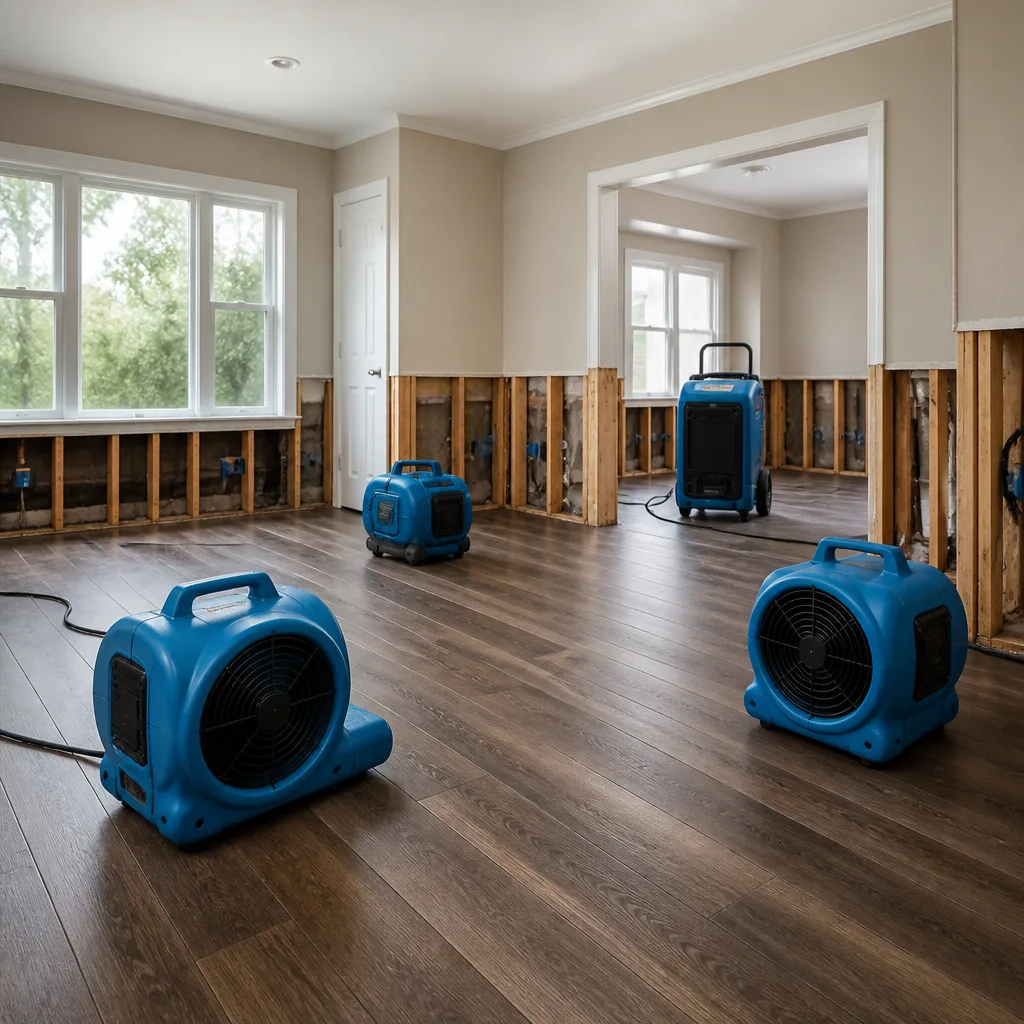

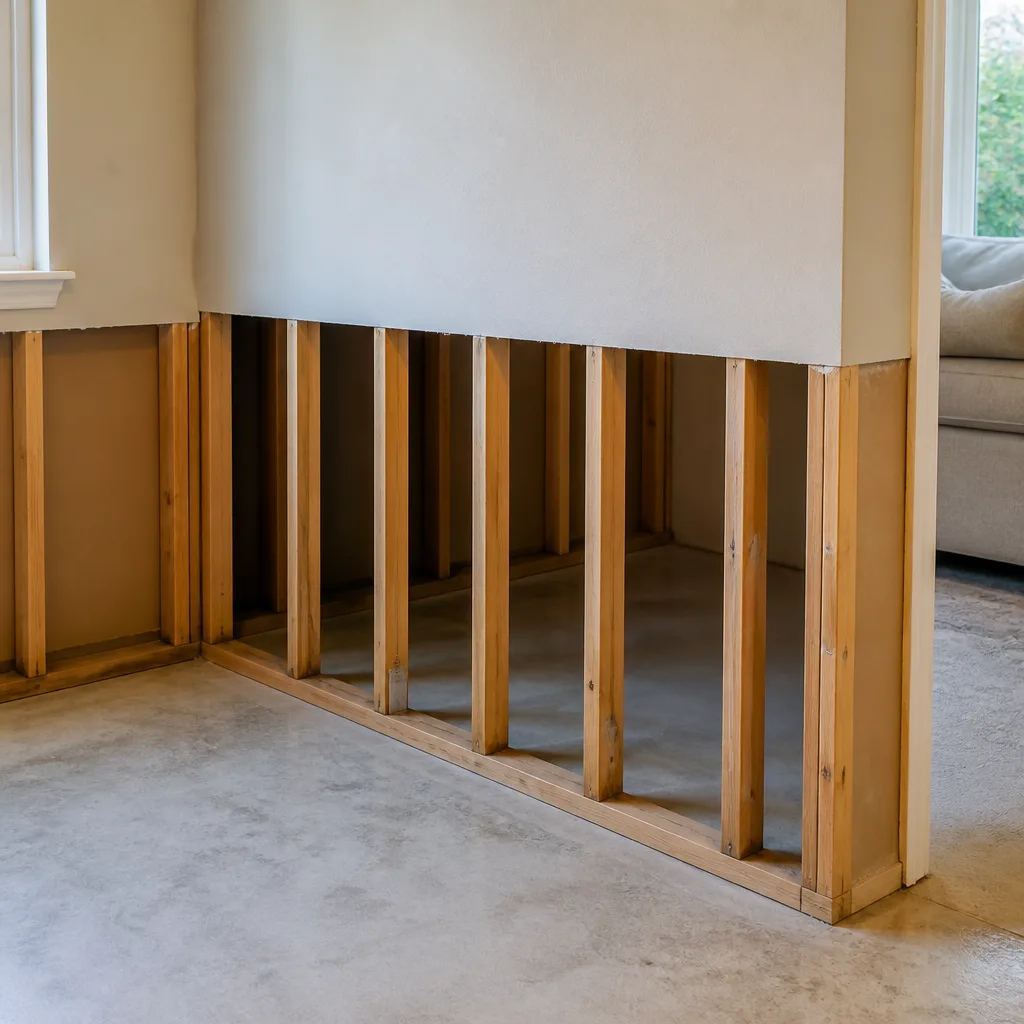


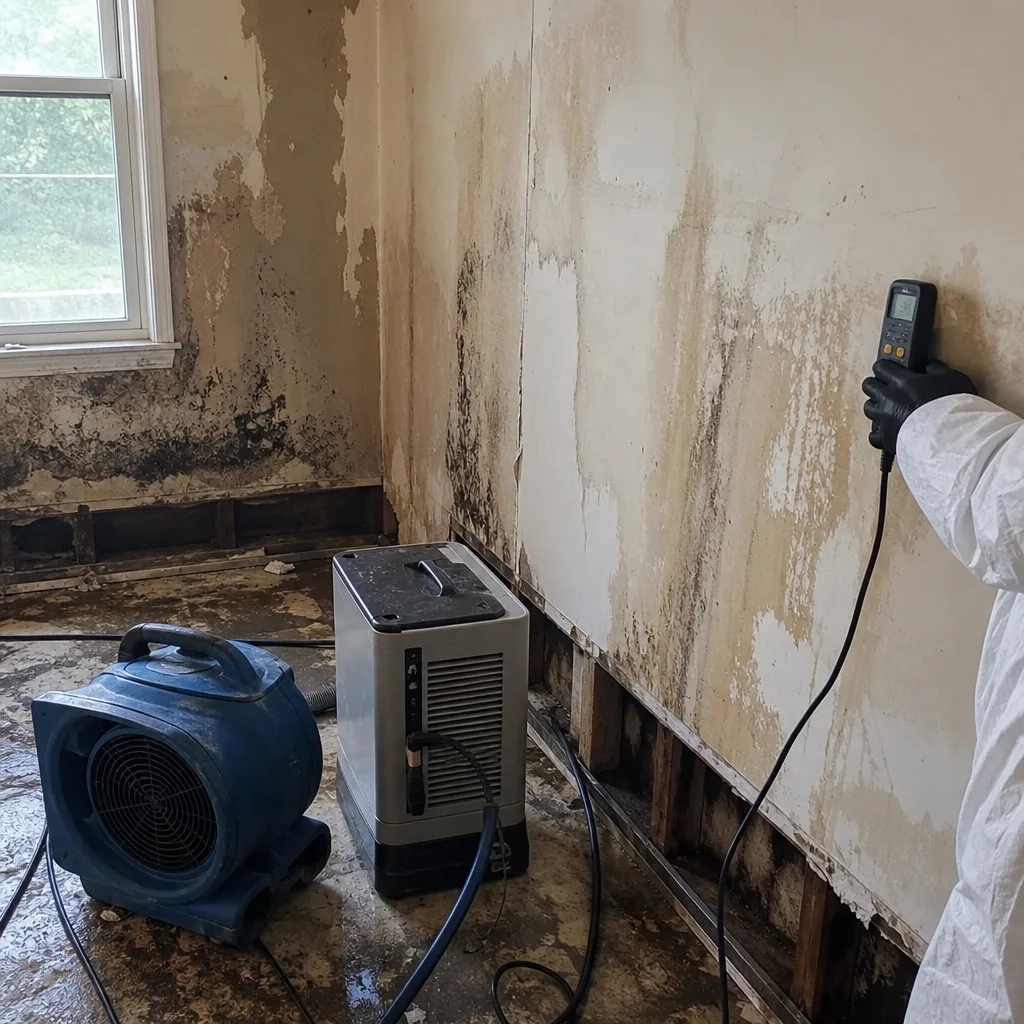 Before
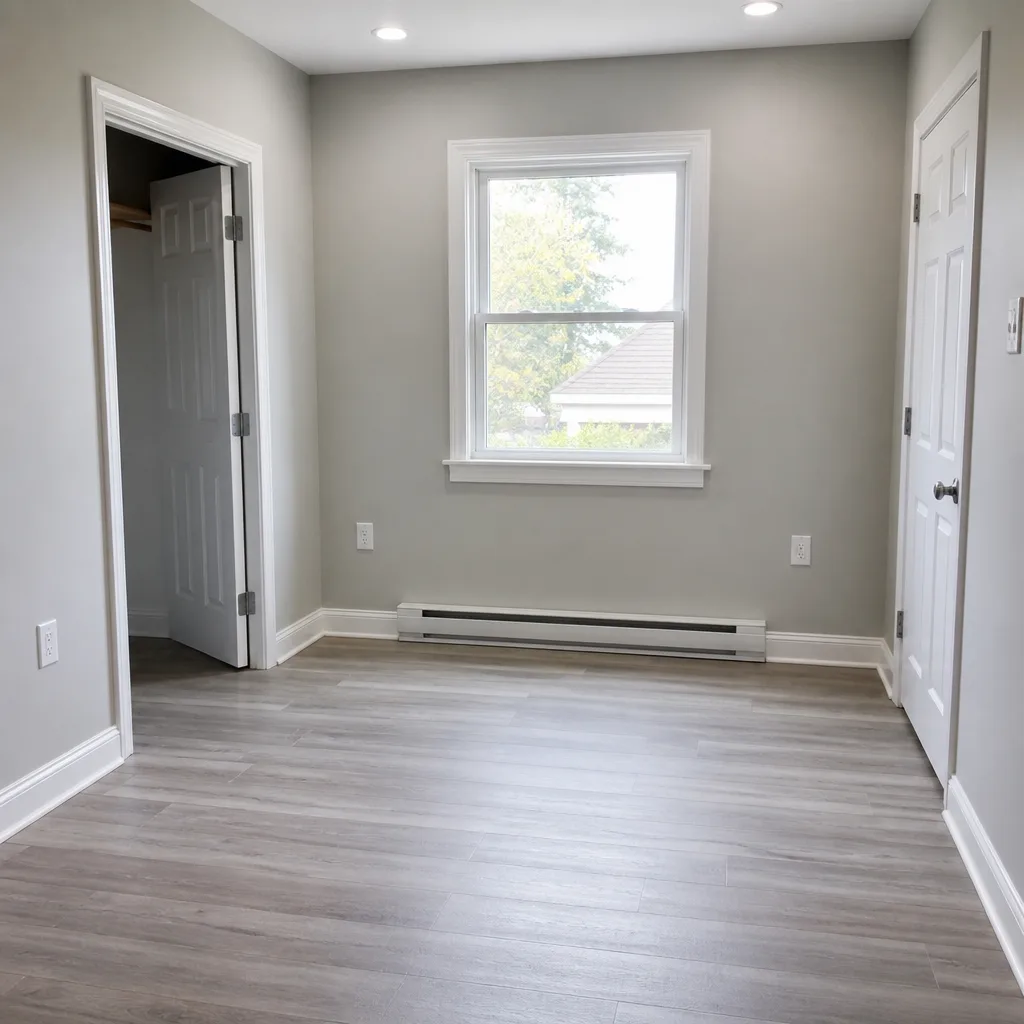 After
After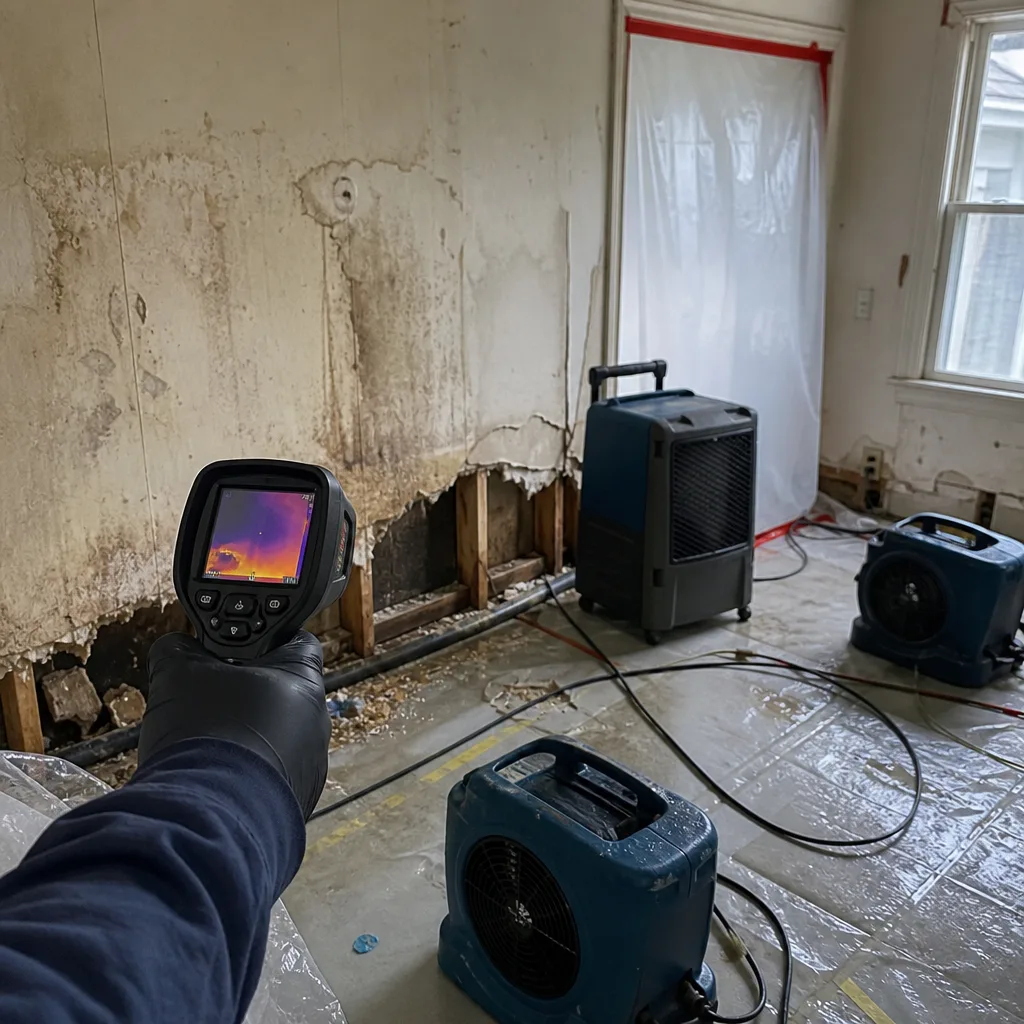 Before
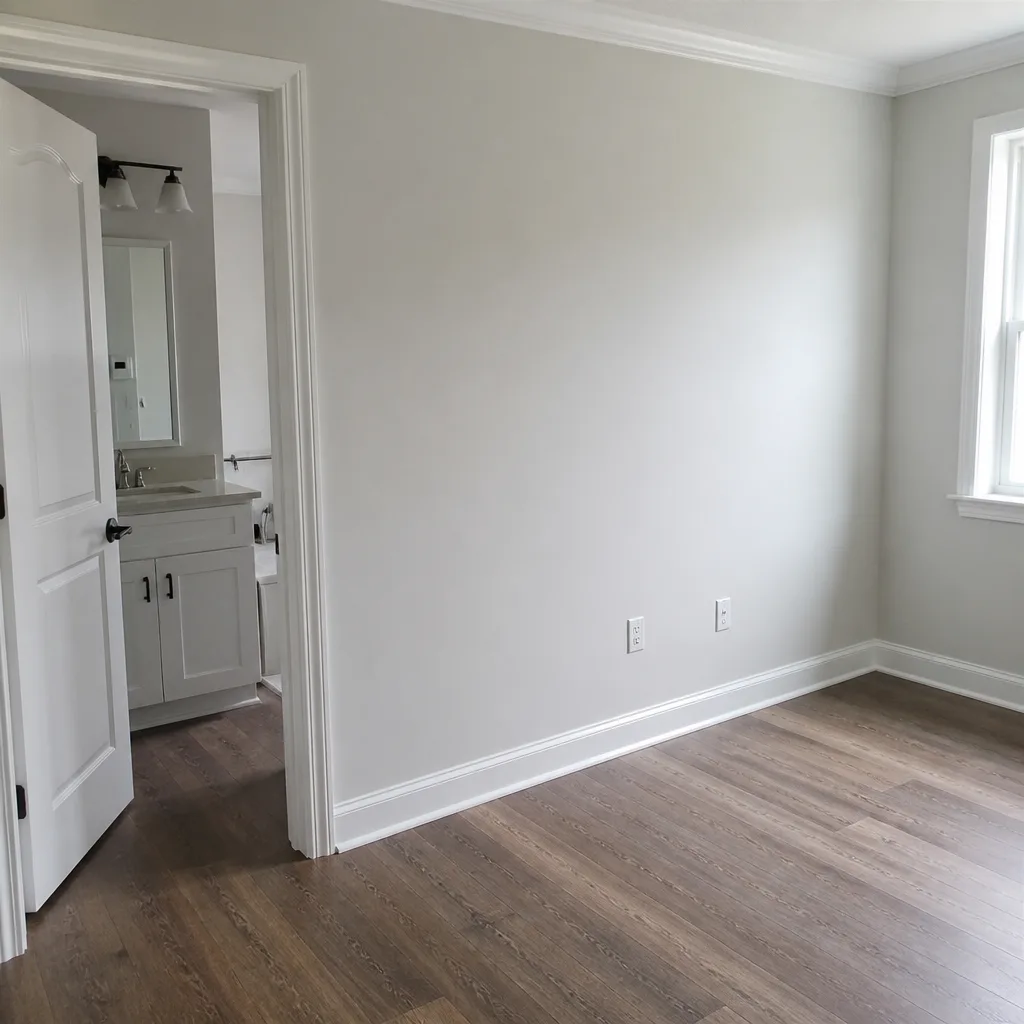 After
After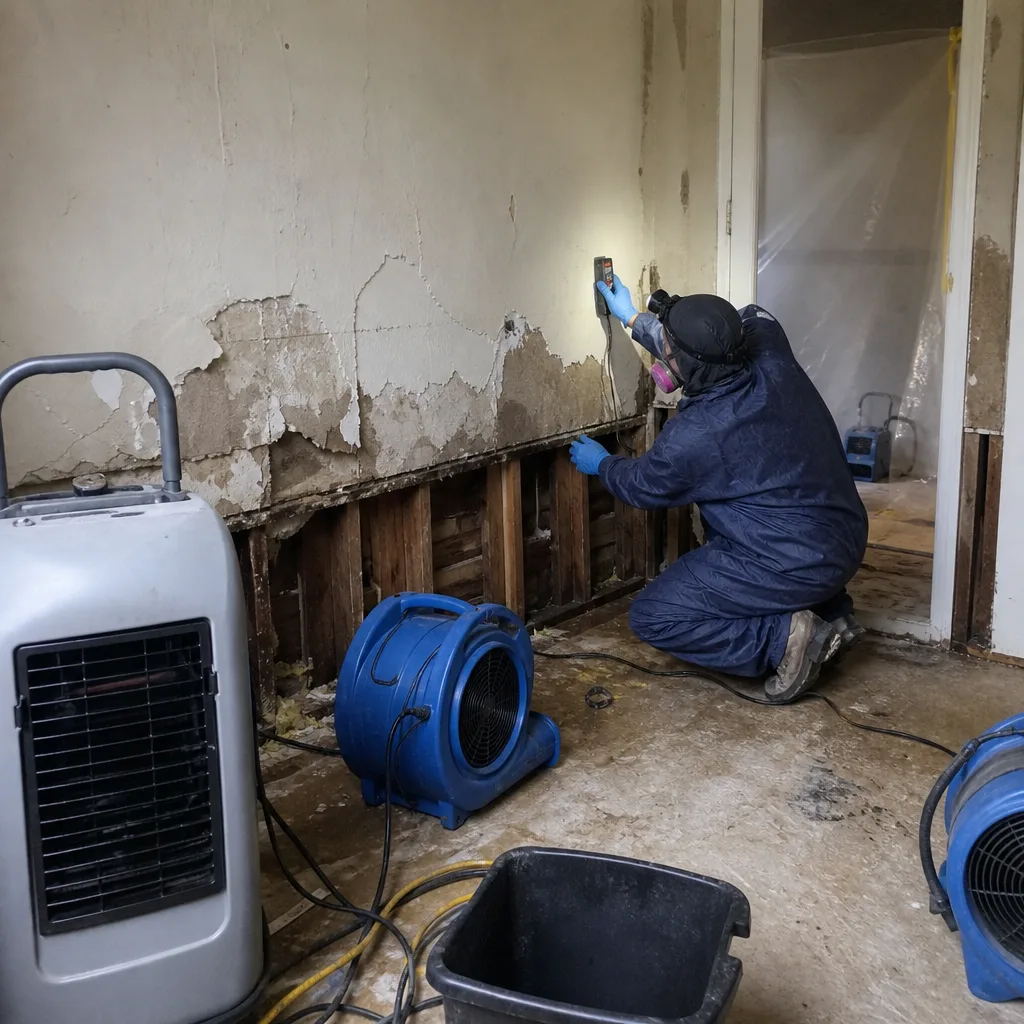 Before
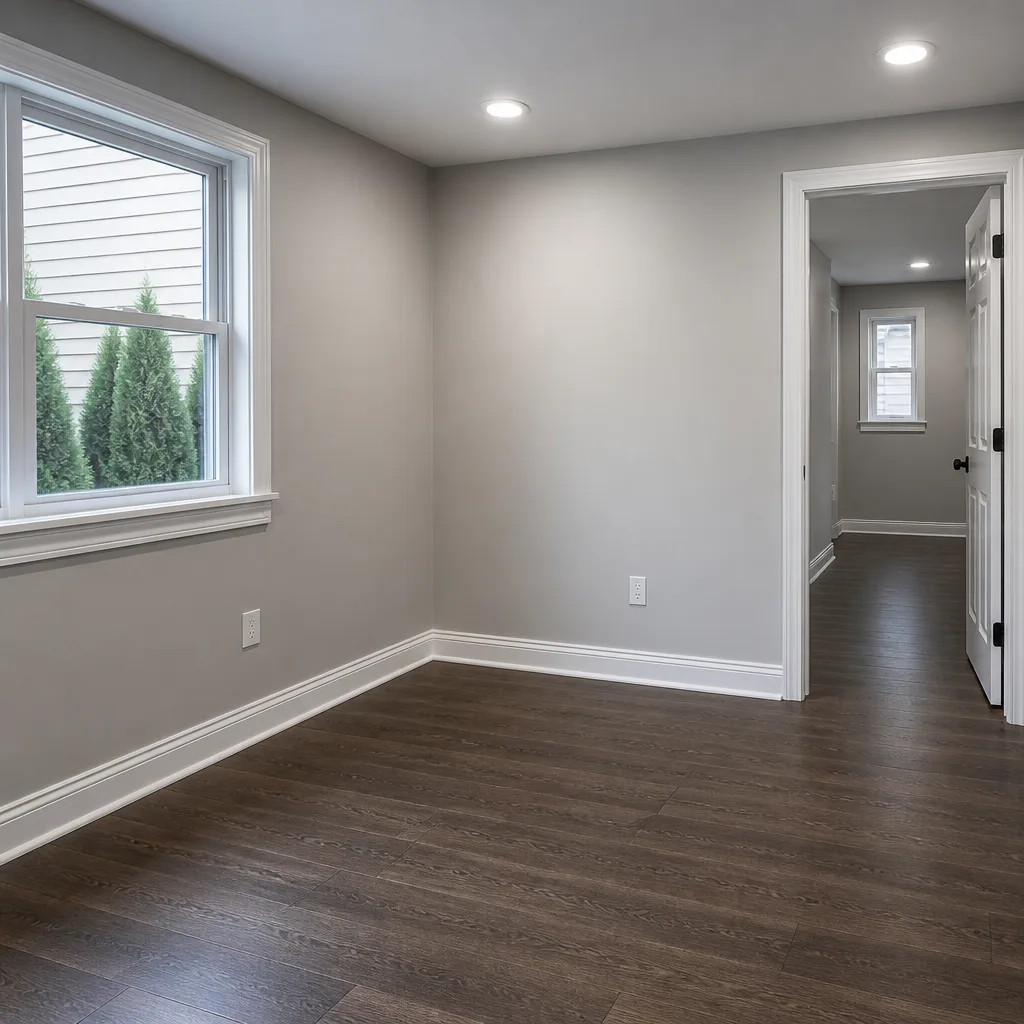 After
AfterWater Damage Restoration Maintenance Checklist for Glendale Homeowners
Most water damage in Glendale homes doesn’t start with a dramatic burst pipe. It starts small: a slow drip behind a dishwasher, a hairline crack in a foundation wall, a gutter that’s been pulling away from the fascia for two seasons. By the time homeowners notice the musty smell or the baseboard swelling, the damage has usually been underway for weeks. That’s the quiet truth of water damage; it rewards attention and punishes delay. This guide gives you a clear, season-by-season maintenance checklist to protect your Glendale home, along with straight answers about when a problem is a quick fix and when it needs a professional eye. We’ve put it together from fifteen years of working in Queens homes, including many right here in Glendale.
Quick Answer
The most effective water damage restoration maintenance for Glendale homeowners is a twice-yearly inspection routine: spring and fall walkthroughs of the roof, gutters, basement, foundation, appliance hoses, and water heater, with immediate attention to any sign of moisture, staining, or slow drainage. Catching a supply line leak or gutter overflow early costs a few hundred dollars at most; letting it run for months turns into a five-figure restoration. The checklist below breaks the work into specific, scheduled tasks you can do in a Saturday afternoon.
Table of Contents
- Seasonal Maintenance: The Twice-Yearly Walkthrough
- Basement and Crawlspace Moisture Control
- Roof, Gutter, and Downspout Checklist
- Appliance and Plumbing Supply Lines
- Water Heater and Sump Pump Inspection
- Exterior Drainage and Grading in Glendale
- Moisture Detection and Documentation
Seasonal Maintenance: The Twice-Yearly Walkthrough
Glendale’s climate gives homeowners two distinct pressure points each year. The first is late winter into early spring, when snowmelt and heavy March rains saturate the ground around foundations and expose any weakness in basement waterproofing or roof flashing. The second is late summer into fall, when hurricane season remnants can dump inches of rain in a few hours and clogged gutters send water cascading down exterior walls instead of away from the house. A twice-yearly walkthrough timed to these windows catches most problems before they become restoration projects.
Here’s the core walkthrough, step by step:
- Start outside at the foundation perimeter. Walk the full exterior of the house looking for pooling water, soil that has settled away from or toward the foundation, and any cracks in the concrete wider than a pencil lead.
- Check the roof from the ground. Look for missing shingles, lifted flashing around chimneys and vents, and any sagging in the roof line. In Glendale’s older housing stock, especially pre-war brick rows, pay special attention to parapet walls and roof drains.
- Inspect gutters and downspouts. Remove debris, confirm water flows freely, and verify downspout extensions carry water at least four feet from the foundation.
- Move inside to the basement or crawlspace. Look for damp spots on walls and floors, white mineral deposits on concrete, and any rise in that musty smell that signals trapped moisture.
- Check every room with plumbing. Run your hand along the base of toilets, under sinks, and behind the washing machine. Any softness in flooring, staining, or a slight warp is a signal to open the wall.
- Finish at the water heater and sump pump. Note the age, check for puddles, and test both if you have them. We’ll cover these in more detail below.
This routine takes about ninety minutes for a typical Glendale single-family home. The point isn’t to fix everything yourself; it’s to catch changes early enough that a repair stays a repair.
Basement and Crawlspace Moisture Control
In Glendale, basements are common in both the older attached homes and the standalone houses with finished lower levels. The soil here holds water well into spring, and hydrostatic pressure after a wet week can push moisture through even solid concrete. That’s why basement moisture control is less about luck and more about consistent, small interventions.
Start with the obvious: keep gutters clean and downspouts extended, because the most common source of wet basements in Queens is water that never leaves the foundation. Then look for the less obvious sources.
- Condensation. Warm humid air hitting cold foundation walls creates condensation in summer. Run a dehumidifier that drains continuously, and keep it set to 50% or below. We recommend units with a hose connection, so you aren’t emptying a bucket every day.
- Floor cracks. Hairline cracks in the slab can weep groundwater after heavy rain. A simple polyurethane injection by a professional is a permanent fix and is far cheaper than full excavation.
- Wall cracks and mortar joints. In brick row homes, water often enters through deteriorated mortar, not the brick itself. Repointing exterior mortar and applying a breathable masonry sealer on the inside stops most seepage.
- Window wells. Check that covers are intact and that the well drains freely. A leaf-filled window well becomes a funnel into the basement during a downpour.
One note from our work in Glendale basements: we regularly see spring failures around the bottom two feet of foundation walls, where groundwater pressure is highest. If you see efflorescence, that white chalky deposit on concrete, don’t just brush it off. It means water is moving through the wall, and the time to act is before the drywall goes up or the boxes go down.
Roof, Gutter, and Downspout Checklist
A roof leak in Glendale rarely starts where the water shows up. Water travels along rafters, under flashing, and behind siding before it finally drips onto a ceiling or down a wall. The maintenance checklist here is about preventing water from pooling, flowing, or seeping anywhere it shouldn’t.
For gutters specifically:
- Clean gutters twice a year at minimum. In neighborhoods with mature street trees, like much of Glendale, twice a year may not be enough. Check them after any heavy leaf drop.
- Flush downspouts with a hose. Debris can pack into the bends and joints where it isn’t visible from the ground.
- Check downspout extensions. They should discharge at least four feet from the foundation. Splash blocks alone don’t move water far enough in heavy rain.
- Tighten any loose gutter brackets. A sagging gutter is a dam in waiting. Water overflows the edge and runs down the wall, and that’s exactly how fascia and soffit rot begin.
- Inspect the roof surface. Look for curled, cracked, or missing shingles, worn spots around vents, and any place where flashing has lifted. Flat roofs, common on Glendale row houses, need a close check for blisters and ponding water.
If you find a leak, act quickly. A small roof leak that drips only in heavy rain can still wet insulation, grow mold inside a wall cavity, and rot sheathing over a single season. The repair is a few hundred dollars. The neglect is thousands.
Appliance and Plumbing Supply Lines
We find more water damage in Glendale kitchens and laundry rooms than anywhere else besides basements. The culprit is usually a rubber supply hose or a compression fitting that has been quietly failing for months. These are the components homeowners never see until they fail.
Here’s what to check, and when:
- Washing machine hoses. Replace rubber hoses every five years, and upgrade to braided stainless steel if yours are still the original black rubber. A burst washing machine hose can dump hundreds of gallons in an hour.
- Dishwasher supply line and drain. Pull the kick plate off twice a year and inspect the connection. Look for drips, mineral buildup, or a kinked drain hose.
- Ice maker lines. The thin plastic or copper line behind the refrigerator is a common slow leaker. Check it annually, and replace plastic with braided steel.
- Under-sink connections. After any work on faucets or garbage disposals, re-check compression fittings after a week. New fittings can settle and begin to drip.
- Toilet supply lines and tank bolts. Rust around the base of a toilet usually means a failed wax ring, and that water is leaking into the floor every time you flush. The floor will fail long before you see a puddle.
The pattern is the same everywhere: water supply lines are under constant pressure, and they fail at the weakest connection. In our experience, homes built in the 1980s and 1990s in Queens are reaching the age where original rubber hoses and plastic fittings are failing on schedule. If your appliances are older, replace the supply lines now, not after the failure.
Water Heater and Sump Pump Inspection
A water heater lasts eight to twelve years on average, and when it goes, it releases its entire tank volume into whatever room it sits in. A forty-gallon tank means forty gallons of water across the floor, and if the heater is in a finished basement, that water finds every crack and seam in the flooring.
Inspect your water heater twice a year:
- Check the age. The manufacture date is in the serial number. If it’s more than ten years old, start budgeting for replacement.
- Look for rust, pinholes, or weeping at the tank seams. Any of these means the liner has failed and replacement is urgent.
- Test the pressure relief valve. Lift the lever and let it snap back. It should release a burst of water. If it doesn’t, or if it keeps dripping after, replace it.
- Look at the area around the base. A slow leak from the drain valve or the fittings can go unnoticed for months, especially if the heater sits in a dark corner.
For sump pumps, the rule is simple: test them before you need them. Pour a five-gallon bucket of water into the pit and confirm the pump cycles on and off. Check the discharge pipe for ice blockages in winter and debris in summer. And if your pump is more than seven years old, replace it even if it still works. A failed sump pump during a spring storm is one of the most common emergency calls we get in Glendale, and the damage is almost always preventable.
Exterior Drainage and Grading in Glendale
The ground around a Glendale home should slope away from the foundation at a rate of about one inch per foot for the first six feet. Over time, soil settles, planting beds erode, and concrete walkways heave with freeze-thaw cycles, changing the grade and directing water toward the house instead of away from it.
Here’s what to check outside, twice a year:
- Walk the perimeter after rain. Note any place where water pools within three feet of the foundation. These spots need regrading, a French drain, or a swale.
- Check soil depth against the foundation wall. Mulch and soil should sit a few inches below the sill plate, not against it. Soil against the sill is a bridge for water and insects.
- Inspect concrete walkways and patios. Cracks and sunken slabs tilt water toward the house. A mudjacking or poly-lift repair re-levels the surface and restores proper drainage.
- Clear window wells and basement stair drains. These are the lowest points on the property, and they fill first in a storm.
- Check the public water and sewer lines where they enter the house. In older Glendale homes, the entry points can develop gaps that let groundwater follow the pipe into the basement. A quick look with a flashlight can spot damp soil or mineral staining around the penetration.
Glendale sits on a mix of soils, but much of the neighborhood drains slowly after heavy rain. The best investment you can make in a dry basement is to manage the water at the surface, before it ever gets a chance to press against the foundation.
Moisture Detection and Documentation
Not all moisture is visible. The earliest stages of a leak happen inside wall cavities, under flooring, and behind cabinetry, where the only signals are subtle. Learning to read those signals is the difference between a repair and a restoration.
Here’s what we tell Glendale homeowners to watch for:
- Musty or earthy odors in basements, closets, or under sinks. Smell is often the first indicator of hidden moisture, and it means mold is already active.
- Baseboards or door casings pulling away from the wall. Swelling wood pushes trim loose.
- Flooring that feels spongy or shows cupping. Hardwood that’s been wet cups at the edges; laminate swells at the seams.
- Paint or wallpaper that’s bubbling or peeling without an obvious cause. Moisture behind the finish is pushing it off the surface.
- Stains that darken after rain. A ceiling stain that grows after a storm is an active leak, not an old mark.
A basic moisture meter, available for under fifty dollars, reads moisture content in drywall, wood, and concrete. If you suspect a leak but can’t find it, a meter takes the guesswork out. For homes with past water damage or ongoing humidity problems in the basement, we recommend a twice-yearly professional inspection that includes thermal imaging and moisture mapping. We use Dri-Eaz and Phoenix meters and dryers on every job, and the daily readings that come from them are part of the documentation we hand to homeowners and their insurance carriers. Documentation matters: when a leak has been going on longer than you realize, having a dated record of inspections and readings makes the insurance conversation much simpler.
Common Mistakes to Avoid
- Ignoring small stains because they’re “old damage.” A stain that stays wet or darkens after rain is an active problem. Water doesn’t repair itself.
- Running a dehumidifier without a drain line. If you forget to empty the bucket, the machine shuts off, and the humidity climbs right back. Set up continuous drainage.
- Painting over water stains without fixing the source. Stain-blocking primer hides the mark; it doesn’t stop the leak. The water keeps moving behind the paint.
- Extending downspouts toward a neighbor’s property or a shared wall. In attached Glendale rows, redirecting water can become a dispute with the adjoining owner. Keep the water on your own property, moving toward the street or a proper drain.
- Delaying a sump pump replacement because it “still works.” Pumps fail catastrophically, usually during the first big storm after years of light use. At seven years old, replace it.
- Dismissing a musty smell as “old house smell.” That smell is microbial activity. It’s a moisture problem, and it will not improve on its own.
- Using sealants on the inside of a foundation without fixing outside drainage. Interior sealant traps water in the wall, where it eventually spalls the concrete and worsens the crack. Fix the grade and the gutters first.
When to Call a Professional
Some water damage signals are safe to investigate on your own, but certain situations call for immediate professional attention. Call a restoration company if you see water coming through a ceiling or wall during active rain, if your sump pump fails while water is rising, if a supply line bursts, or if water has been running through a finished space for more than a few hours. Also call if you find mold covering more than ten square feet, or if anyone in the home has respiratory issues that worsen in certain rooms. Water that sits in drywall, insulation, and flooring starts growing mold within 48 hours, and a full remediation after that point is not a do-it-yourself job. Floodline Restoration Co. offers free estimates in Glendale, and we answer the phone with a live person around the clock. Call (845) 482-0653, and we’ll be there when we say.
Frequently Asked Questions
Twice a year is the right baseline: once in late March or early April, when snowmelt and spring rains expose foundation and roof weaknesses, and once in September or October, before leaf drop and winter storms. If your home has a history of water issues or a finished basement, add a third check in winter to spot pipe freeze risks and ice dams.
The earliest signs are usually a musty smell, baseboards pulling away from the wall, or flooring that feels soft or looks cupped. These signal moisture behind the surface, often from a slow leak that hasn’t yet produced a visible puddle. Trust the smell; it means microbial growth has started.
Small repairs like a supply line replacement or a single wall drying typically run $300 to $900. Full basement water damage restoration in Glendale, including extraction, drying, mold treatment, and rebuild, runs $2,500 to $8,000 depending on square footage and finish level. The cleanup from a burst supply line in a finished space can reach $10,000 or more if it sits overnight. Insurance covers most sudden and accidental water damage, and Floodline Restoration Co. bills your carrier directly so you’re not stuck in the middle.
Coverage depends on the source. Sudden and accidental events, like a burst pipe or a failed water heater, are typically covered. Gradual leaks that have been ongoing for weeks or months are often excluded because insurance sees them as maintenance failures, not sudden events. That’s exactly why the twice-yearly walkthrough matters: it creates a record of diligence and catches problems before they cross from maintenance into loss.
In most cases, yes. If the damage is contained to a single room and drying equipment is set up with proper air containment, you can live in the house while the work proceeds. If the damage involves sewage, extensive mold, or a failed structure, we’ll recommend temporary relocation and work with your carrier on the specifics. We’ll give you a straight answer either way.
First, stop the water at its source if you can do so safely; that means turning off the fixture valve, the appliance supply, or the main shutoff. Then move valuables and furniture out of the wet area. Call Floodline Restoration Co. at (845) 482-0653, because extraction and drying need to start within hours, not days. The line the water left is where we start.
The Bottom Line
Water damage in Glendale homes is rarely an accident of fate. It’s the result of a maintenance gap: a gutter that was never cleaned, a supply line that was never replaced, a grade that shifted over a decade without correction. The checklist in this guide, done twice a year, closes those gaps. Walk the perimeter, clean the gutters, check the hoses, test the pump, and watch for the quiet signals of hidden moisture. If you find something, act fast. A small repair is measured in hundreds. The alternative is measured in thousands, and in the disruption of your home. If you ever want a second set of eyes on a suspicious stain or a damp basement wall, call us at (845) 482-0653. The estimate is free, the answer is straight, and the work is done right, and backed in writing.
Written by Curt Bowman, Owner at Floodline Restoration Co., serving Glendale since 2010.